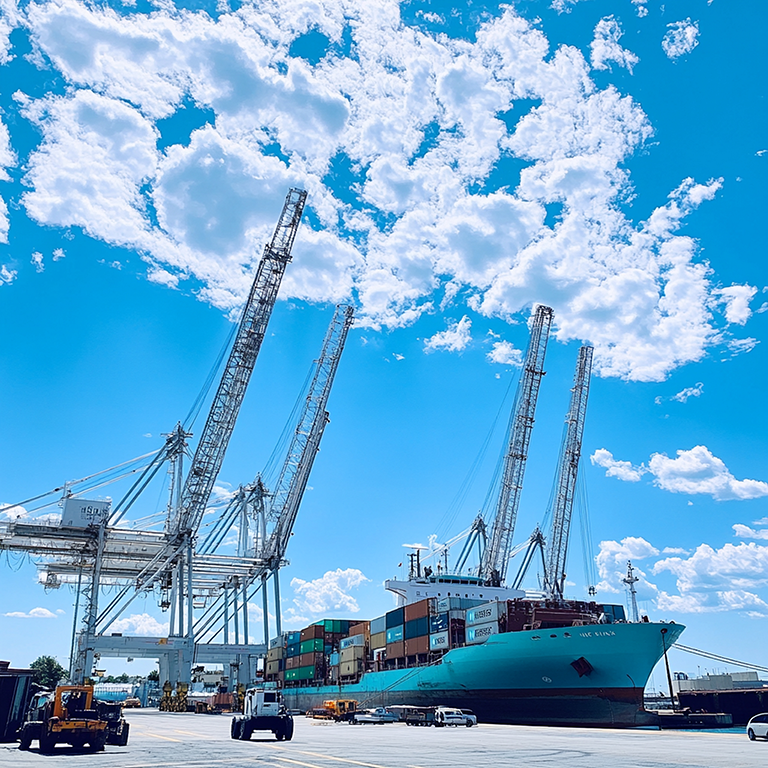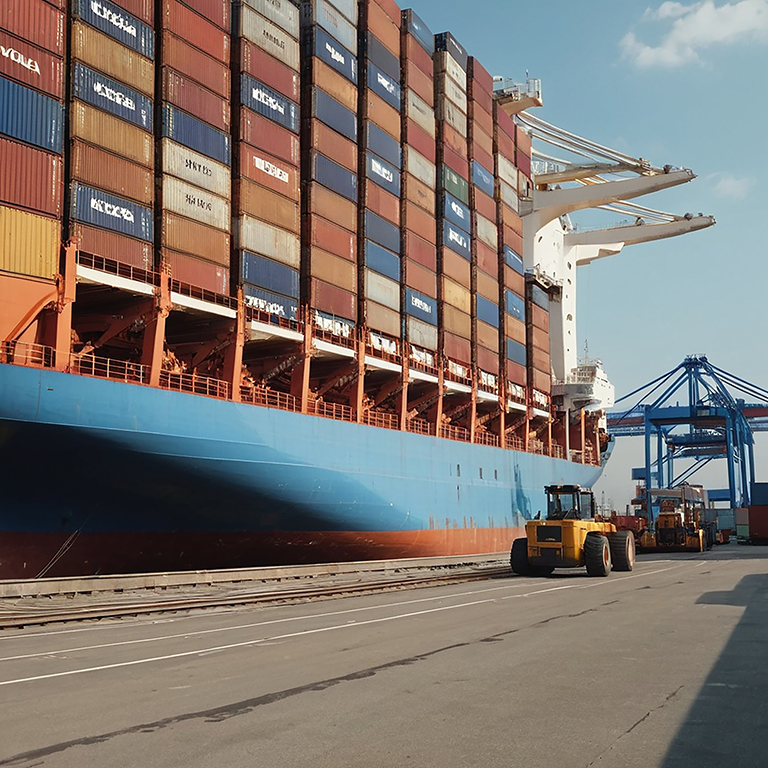




Container rates Asia and Europe are falling surprisingly quickly
Container rates on the key Asia-Europe route show a notable drop. Despite tensions in the Middle East, prices fell 9 per cent this week. This seems to limit the impact of the crisis on this trade route.
According to Drewry's World Container Index, the average rate for a 40-foot container from Shanghai to Rotterdam now comes to around $2,308. This clearly continues the decline, which started cautiously last week.
Container rates remain well below covid level
The recent peak of USD 2,552 at the end of March is dwarfed by the extreme rates during the corona pandemic. Then, prices ran as high as USD 15,000 per container, with spikes towards USD 20,000.
That difference shows that the current market is much more stable, despite geopolitical tensions. Container rates do move, but remain within manageable limits.
A major reason for this is available capacity. Shipping companies have invested heavily in new ships in recent years, while old ships are less likely to be decommissioned.
Did you know
Container rates are highly dependent on demand and available ship capacity, so overcapacity can quickly depress prices.
Container rates under pressure due to overcapacity
The drop in container rates is closely linked to the current overcapacity in the market. Shipping companies hardly use 'blank sailings', where sailings are cancelled to reduce capacity. Only one has been announced for the coming week on the Asia-Europe route.
In addition, congestion appears to have remained relatively limited due to the crisis in the Middle East. Although container ships are still stuck in the Persian Gulf, most of the fleet continues to move as normal.
The disruptions are mainly regional and do not have a global impact on flow. This helps keep container rates under control.
Container rates differ by route
On other routes, we see a different picture. For instance, rates towards the Mediterranean drop slightly, while they increase on the transpacific route (Asia-America). Also on the transatlantic route, such as Rotterdam-New York, rates have shot up considerably.
These differences show that the market is highly dependent on regional factors, such as capacity and demand. On the transatlantic route, for example, capacity has been cut, leading directly to higher prices.
For companies, this means that choosing the right route and timing remains crucial. Read more about international transport and rates on the ocean freight page.
Container rates are expected to continue fluctuating for now, but without extreme outliers. The market seems to be adapting to disruptions faster than in previous crises.