




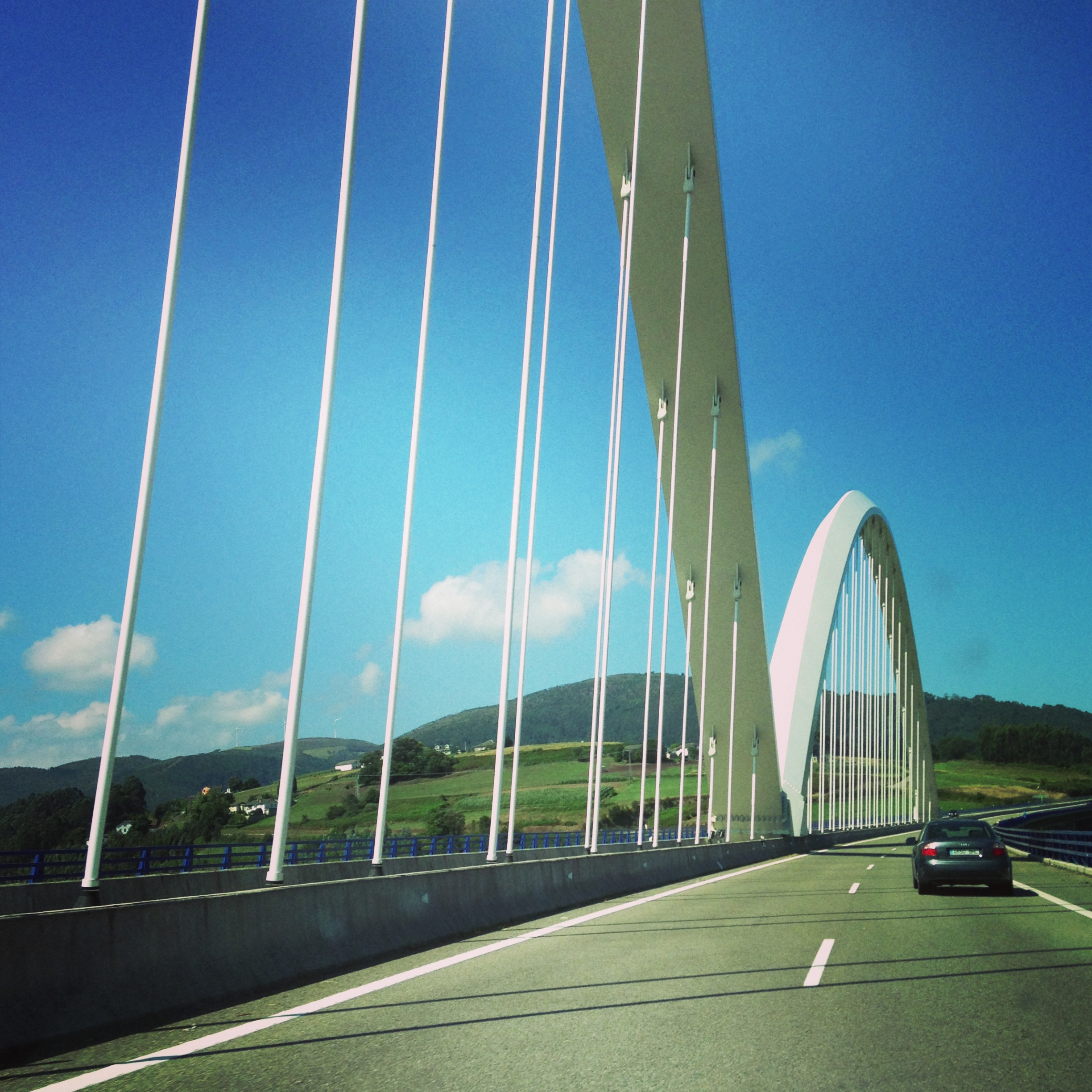
No major risks to sea freight unless bridges and locks are renovated
TOP MAGAZINE · Sea Freight
Dutch sea freight corridors are facing increasing disruption due to the long-overdue replacement of bridges, viaducts and locks. The EIB warns that a lack of investment is leading to a sharp rise in detours, delays and additional costs.
Societal costs of delayed investment
According to the Economic Institute for Construction (EIB), the postponement of the renovation and replacement of bridges, viaducts and locks will result in rising social costs in the coming years. For national roads and waterways alone, approximately 13 billion euros in investment will be required by 2030; much of this is not yet available.
The lack of timely investment is leading to increasing restrictions on use, diversions and congestion. The EIB estimates that deferred maintenance and renovation of infrastructure between 2026 and 2035 could lead to social costs of over 20 billion euros, excluding a further 2.5 billion euros due to insufficient routine maintenance.
Bridges and locks: bottlenecks for maritime freight corridors
Concrete bridges and viaducts, in particular, pose a major challenge in the medium term. Temporary measures can only extend the service life of some of them, but structural replacement is proceeding too slowly. Of the 30 concrete bridges and viaducts examined, around a quarter can currently be replaced in good time.
In the event of prolonged closure of locks – such as those on the Zuid-Willemsvaart, the Weurt Lock, the Prinses Margriet Lock and the Krammers Locks – the detour routes for inland waterway vessels can be as long as 170 kilometres, adding 10 to 17 hours to each vessel’s journey time. A six-month closure already results in costs of around 90 million euros per year; over five years, this rises to over 100 million euros per lock.
Corridors with the greatest impact on maritime freight
The EIB has identified seven transport corridors that would suffer the greatest economic damage if investment in construction and maintenance were to fall short. Amsterdam/Rotterdam–Antwerp tops the list with €5.5 billion in social costs, partly due to the imminent closure of the Van Brienenoord Bridge.
The Almere–Utrecht–Breda corridor follows with 4 billion euros, and Rotterdam–Zevenaar with 3 billion euros. Problems in such corridors often lead to an accumulation of risks: congestion, additional transport costs and logistical uncertainty for maritime and inland waterway transport become particularly evident here.
What does this mean for your shipment?
TOP’s analysis based on the above developments.
Planning
Shippers must take into account longer transit times and uncertainty regarding routes in the event of structural bottlenecks on major waterways.
Costs
Diversions and waiting times are leading to rising operational costs for sea freight, some of which will inevitably be passed on to customers.
Point for attention
Proactive communication and contingency plans for alternative transport routes are essential, particularly at high-risk junctions such as the Van Brienenoord Bridge and major locks.
Sources
Nieuwsblad Transport — EIB warns: concrete bridges and viaducts in particular are a major problem
Image: TOP archive, for illustrative purposes.