



The maximum draught of the Panama Canal’s Neopanamax locks is to be further reduced in two stages in the near future. This has been announced by the Canal Authority. The measure will affect the largest container ships sailing between the Atlantic and Pacific Oceans.
The maximum draught, which had already been reduced from 15.24 to 15.09 metres on 3 July, will be adjusted to 14.63 metres on 26 August and to 14.48 metres on 3 September. According to the Authority, these are proactive water management measures designed to guarantee the safety and reliability of the Panama Canal’s services.
Panama Canal reduces draught in two stages
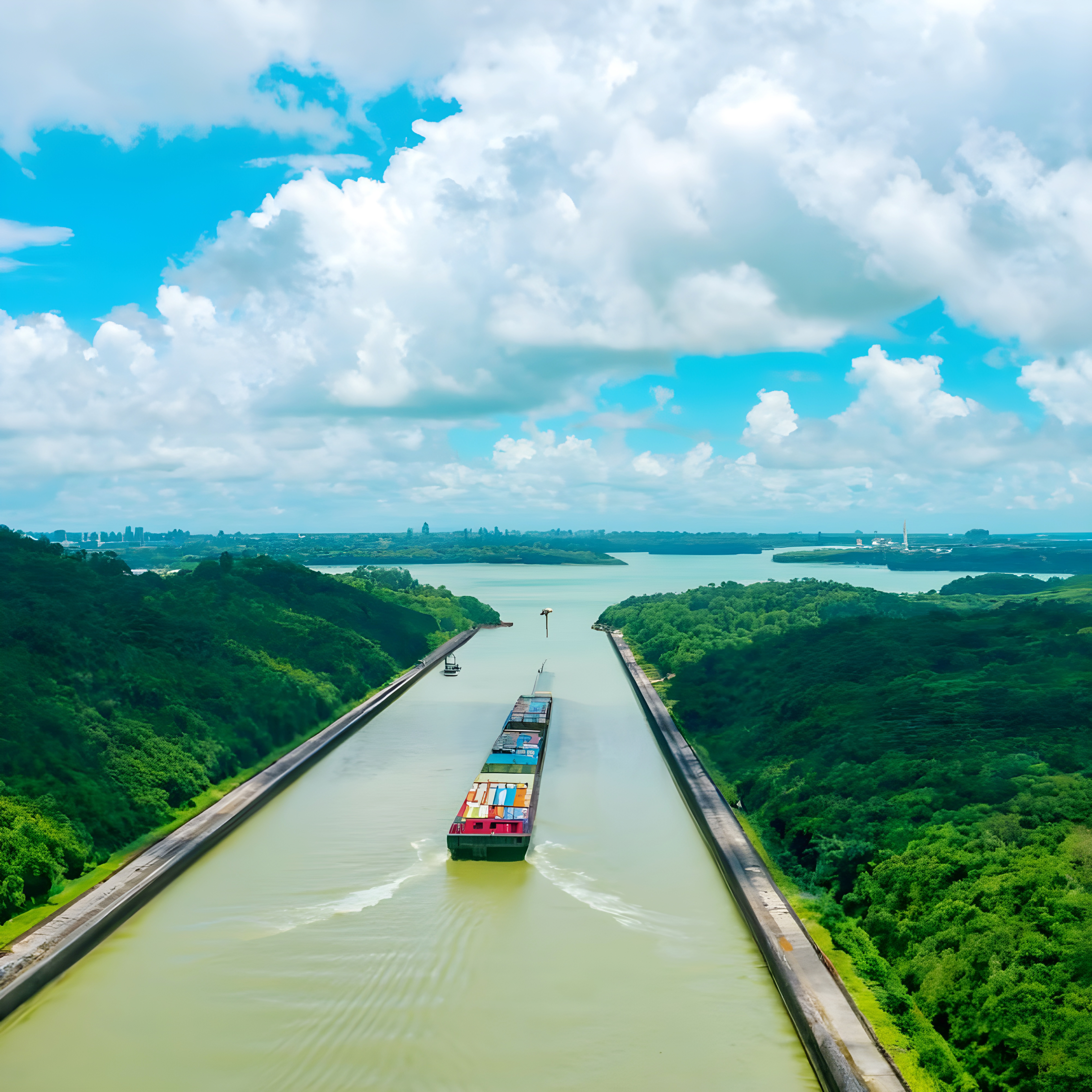
The new limits apply specifically to the Neo-Panamax locks, the largest locks on the Panama Canal, which have been in operation since 2016. It is precisely through these locks that the large container ships serving key trade routes between Asia, the US east coast and Europe pass.
In practice, a lower maximum draught means that ships are permitted to carry lighter loads. As a result, shipping lines must choose between carrying fewer containers, spreading cargo across multiple sailings or switching to alternative routes. Every centimetre reduction in draught can result in a loss of hundreds of containers’ worth of capacity on the very largest ships.
For shippers and importers, this may be felt in the form of tighter capacity, surcharges or longer transit times. Further information on current market developments can be found on the sea freight rates page.
El Niño is causing low water levels in Panama
The reason for the new restrictions is the global weather phenomenon known as El Niño. This began back in June, but meteorologists predict it will intensify over the rest of the year. In years when El Niño strikes, it leads to low water levels in Panama and restrictions on shipping traffic through the Panama Canal.
The Panama Canal is entirely dependent on fresh water for its operation. With every lock passage, a large volume of water flows from Lake Gatún through the locks into the sea. If there is a lack of rain, the water level in the lake drops and the Canal Authority must intervene to ensure safe passage.
The restrictions come at a sensitive time for the container shipping industry, which is already facing route diversions and fluctuating capacity worldwide. Read more about sea freight and importing.
Number of transits not yet restricted for the time being
The Authority emphasises that there is currently no need to limit the number of ships that can pass through the canal. For the time being, the measures focus exclusively on draught, not on the number of daily passages.
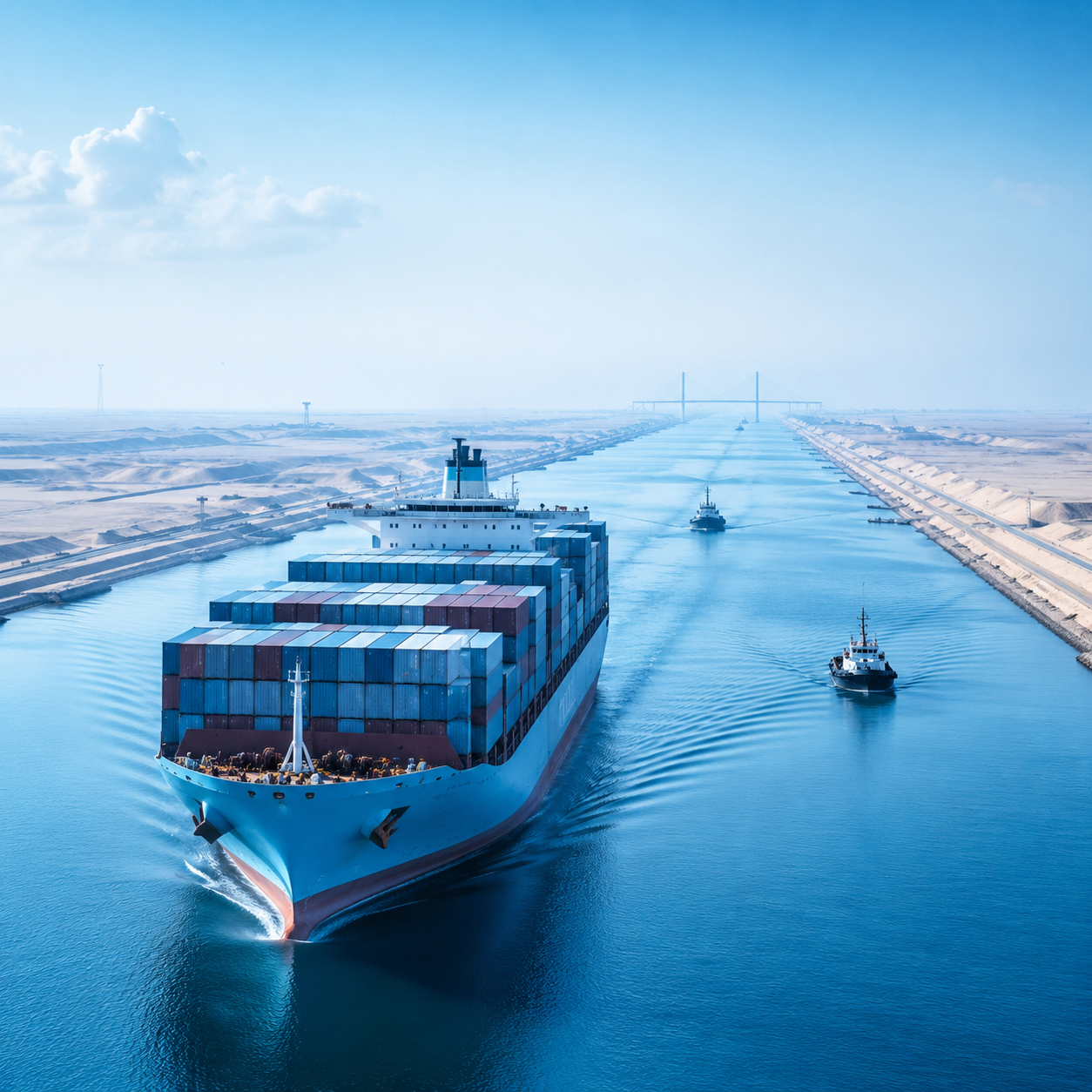
Nevertheless, some caution is warranted. During past El Niño events, it eventually became the case that significantly fewer ships were permitted to pass. This led to long queues at the locks, and waiting times and surcharges rose sharply. At the time, shipping companies sometimes opted to sail via Cape Horn or the Suez Canal, resulting in longer transit times.
Whether it comes to that depends entirely on the weather in the coming months. In its notice to shipping, the Canal Authority states that it will provide new updates as soon as possible should weather conditions change more rapidly than is currently anticipated. The Authority emphasises that the situation remains dependent on the whims of the weather gods.
What does this mean for container shipping?
The Panama Canal is one of the most important hubs in global trade and handles a significant proportion of global container traffic. Traffic between Asia and the US East Coast, in particular, is heavily dependent on the canal. Restrictions therefore quickly have an impact on sailing schedules, capacity and rates.
When large vessels are permitted to carry less cargo, capacity shifts and shipping lines may introduce surcharges to offset the loss. Services may also be adjusted, with cargo being routed via other ports or routes. This can also have indirect consequences for European shippers, for example through changes to vessel and container rotation schedules.
Moreover, history shows that disruptions on a single major shipping route rarely remain isolated. Congestion on one route often translates into higher spot rates and a shift in capacity elsewhere in the network.
Consequences for importers and exporters
Importers and exporters would be well advised to keep a close eye on developments concerning the Panama Canal. Shipments passing through the canal may face longer transit times, altered sailing schedules or additional surcharges should the restrictions become more stringent.
Good preparation makes all the difference. Request rates in good time, compare alternative routes and allow for longer lead times for seasonally sensitive cargo. Clear agreements on Incoterms, cut-off times and documentation also help to avoid surprises when the market becomes volatile.
TOP closely monitors developments regarding the Panama Canal, water levels, capacity and shipping routes, and informs customers as soon as measures affect current or planned shipments. Read more about requesting rates, Incoterms and container handling.
In a market that can change so rapidly, up-to-date and digital information is becoming increasingly important. Smart online tools, data and AI help logistics companies to identify developments such as these at an early stage and proactively inform customers. Want to know more about the use of AI, SEO and web development in logistics? Then take a look at HEF Digital.
…with every passage through the Panama Canal, around 200 million litres of fresh water flows from Lake Gatún into the sea? That’s why droughts and El Niño have such a direct impact on the canal: without rain, there can be no lock operations.