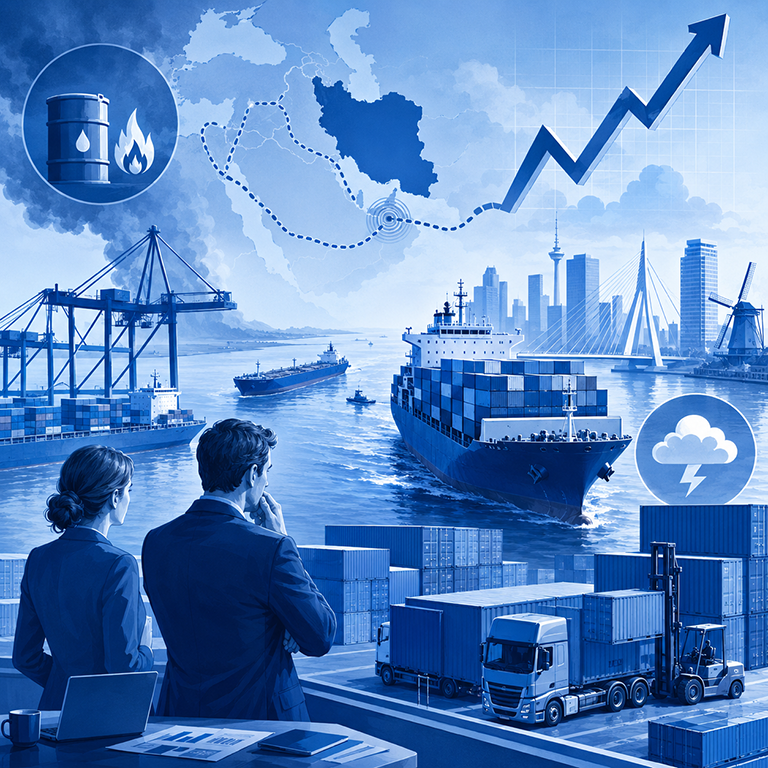




The number of individual parcels arriving in the Netherlands from China has fallen by 46 per cent since a 3-euro import duty was introduced on 1 July on consignments from outside the EU with a value of up to 150 euros. This is according to new figures from Customs, which State Secretary Eelco Eerenberg (Finance) announced during a parliamentary debate, as reported by Nieuwsblad Transport and the NOS. According to Customs, online retailers are switching to bulk imports via warehouses within the EU.
According to Customs, the number of small parcels from outside the EU in July and August was 46 per cent lower than the average for the previous six months. According to *Nieuwsblad Transport*, the levy generated 134 million euros in customs duties in July alone, of which around a quarter went to the Dutch treasury. In line with this, the NOS reports that the measure brought the government an additional 35 million euros in the space of a month.
What changed on 1 July?
Until 1 July, there was an exemption from import duties for small consignments from outside the EU with a value of 150 euros or less. That exemption has now been abolished across the EU: a €3 import duty must now be paid on such orders, by the consumer, the importer or the exporter. Import duties had already been in place for larger consignments.
The aim of the measure was twofold: to create a fairer playing field for European businesses and to improve oversight of product safety, particularly for goods from China.
From individual parcels to bulk imports
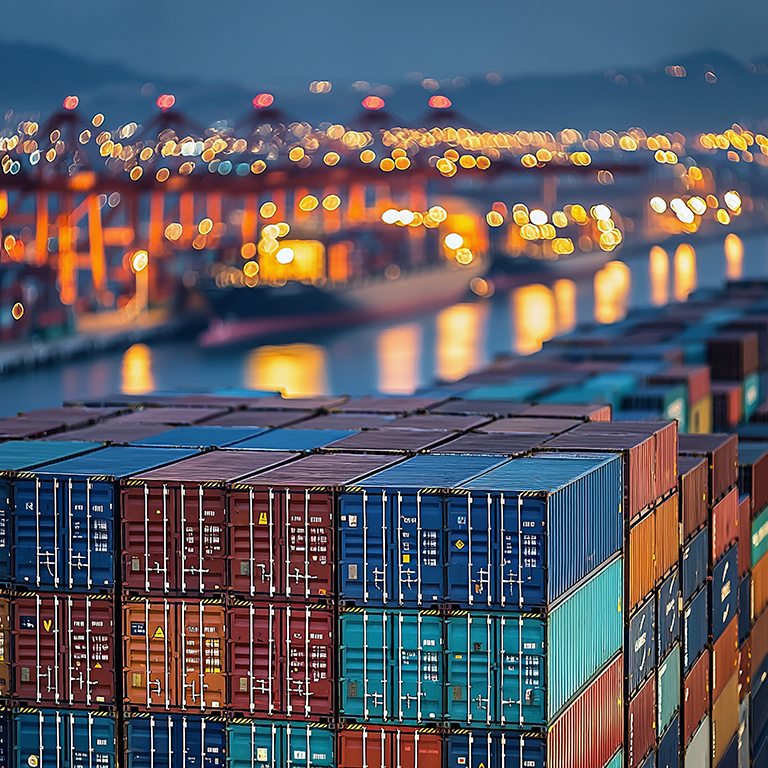
According to Customs, the decline is likely due to online retailers adapting their operating methods. An increasing number of companies appear to be opting for bulk imports of products from China. They store these goods in warehouses within the EU and dispatch them to consumers from there.
“It appears that online retailers from outside the European Union are making greater use of warehouses. These are located in Europe and parcels are sent to consumers from there,” Nanette van Schelven, Director-General of Dutch Customs, told the NOS. According to her, the same trend is evident in neighbouring countries such as France and Belgium.
Customs: supervision is becoming more manageable
Customs welcomes this shift. The service said it had been dealing with “an endless stream” of small parcels, according to State Secretary Eerenberg in *Nieuwsblad Transport*. Consolidated imports make it easier to check whether the contents of a consignment match the label and whether products meet safety requirements.
“The figures provide an initial indication that fewer individual parcels are going directly to the consumer, making it easier for us to check whether products are safe,” Van Schelven told the NOS. After all, a single container of identical products is simply easier to inspect than thousands of individual parcels with the same contents.
A second levy is due in November
The shift is presumably not yet over. According to Nieuwsblad Transport, a second European levy is expected to be introduced in November: the so-called handling fee, which will also apply to consignments worth up to 150 euros. The amount of this fee is not yet known. Customs intends to use the revenue for additional monitoring of incoming parcels.
This is expected to widen the cost gap between individual parcels and consolidated imports. This is an interpretation, not a proven fact, but the direction of European policy is clear: individual e-commerce consignments from outside the EU are being taxed more heavily and scrutinised more closely.
Consequences for importers and exporters
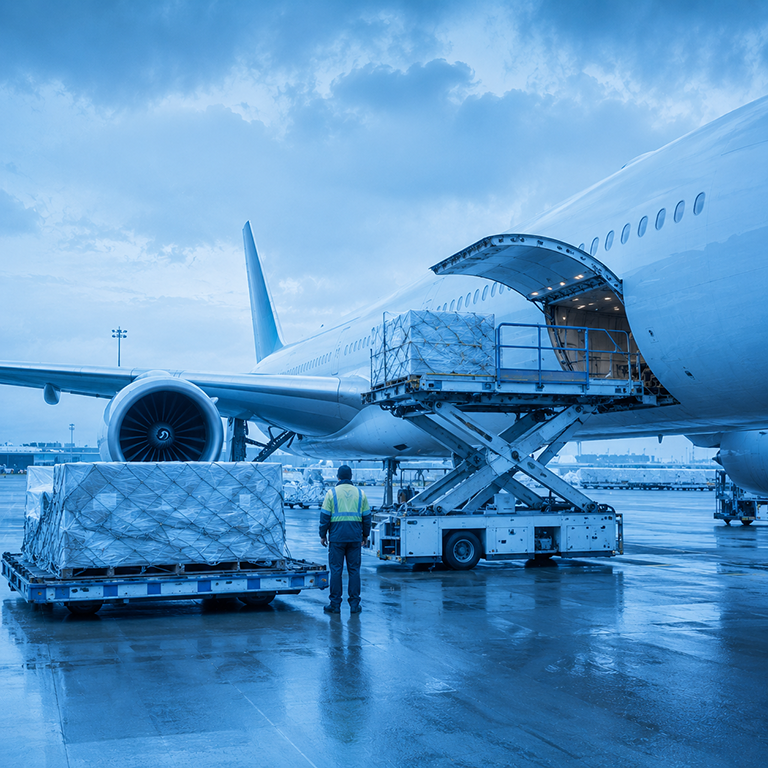
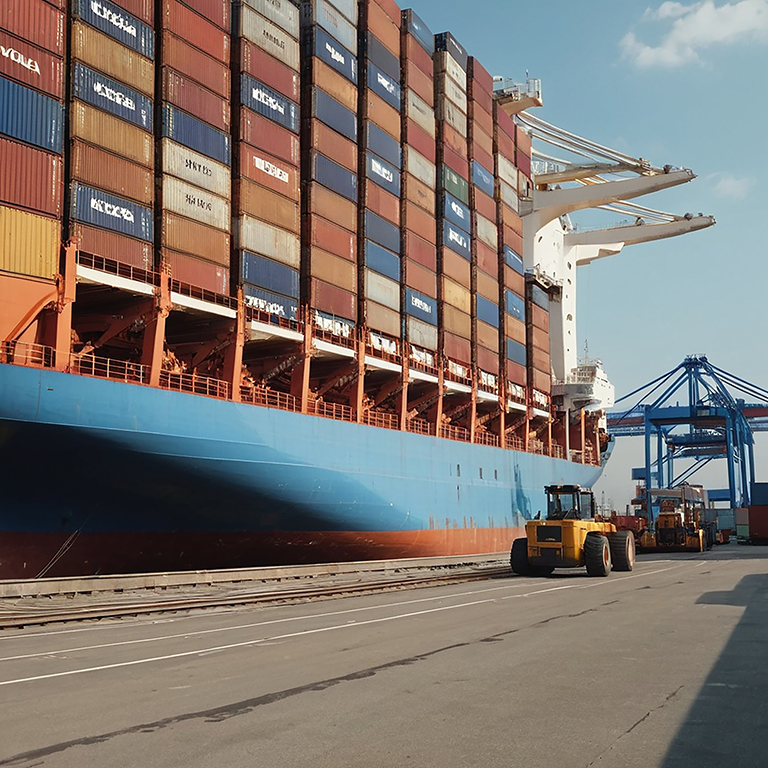
For those who regularly sell products from China, these figures confirm a trend that TOP has been observing among its customers for some time: consolidated imports by sea container are almost always cheaper per product than individual parcels sent by air. Furthermore, sea freight is considerably more environmentally friendly per unit shipped than air freight, a difference that matters to businesses seeking to manage their CO₂ emissions throughout the supply chain.
However, anyone switching from dropshipping or individual shipments to bulk imports will need to deal with a formal import declaration: this includes correct commodity codes, import duties and VAT processing. An experienced partner in customs matters ensures that the savings on transport costs aren’t lost due to delays or subsequent corrections. If you’d like to know what consolidated imports mean for your goods flow, please request a no-obligation quote.
…according to Nieuwsblad Transport, the 3-euro levy generated 134 million euros in customs duties in July alone? Around a quarter of that went to the Dutch treasury; the rest goes to the EU.