

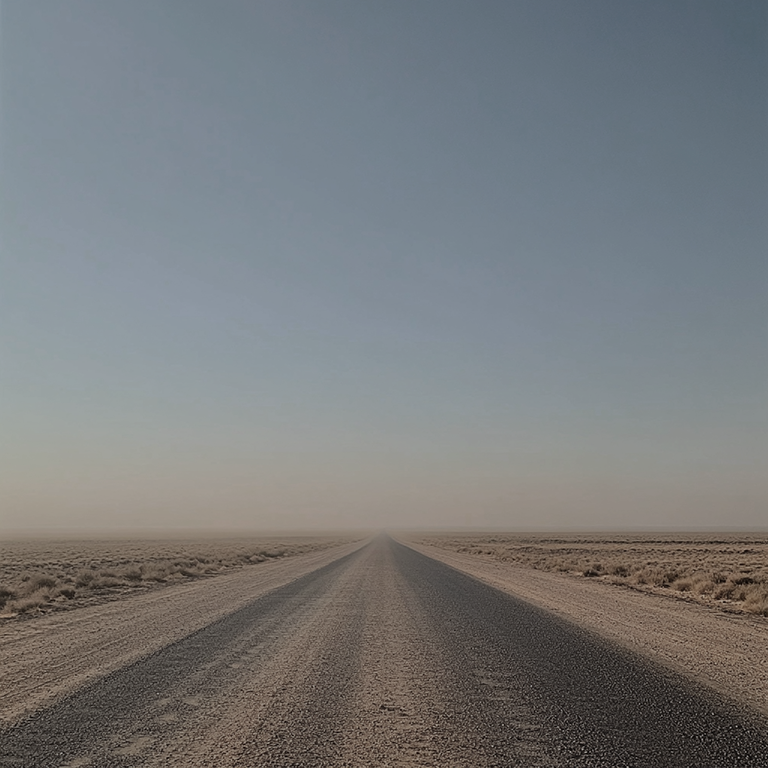
Blockade of the Strait of Hormuz forces transport through the desert
The blockade of the Strait of Hormuz is causing major disruptions to international logistics. As a result, containers can no longer reach the Gulf region via traditional sea routes. Shippers are therefore forced to divert to alternative routes. Containers are unloaded at ports outside the conflict zone and then transported by truck for hundreds of kilometres through the desert to their final destination.
For companies active in trade with the Middle East, the blockade means a completely different logistical approach. Shipments that are normally handled via seaports in the Gulf now have to be redirected to surrounding ports. From there, a long overland journey through a hot and dry region begins. This requires new planning, additional transport capacity and close cooperation between forwarders, shipping lines and local partners.
Blockade forces logistics to create new routes
The blockade of the Strait of Hormuz is directly affecting container flows to and from countries such as the United Arab Emirates, Qatar, Bahrain, Iraq and Kuwait. Ships are currently unable to reach this region directly. As a result, shipping companies are unloading containers at ports outside the Gulf, such as Salalah in Oman, Jeddah in Saudi Arabia and Khor Fakkan in the United Arab Emirates.
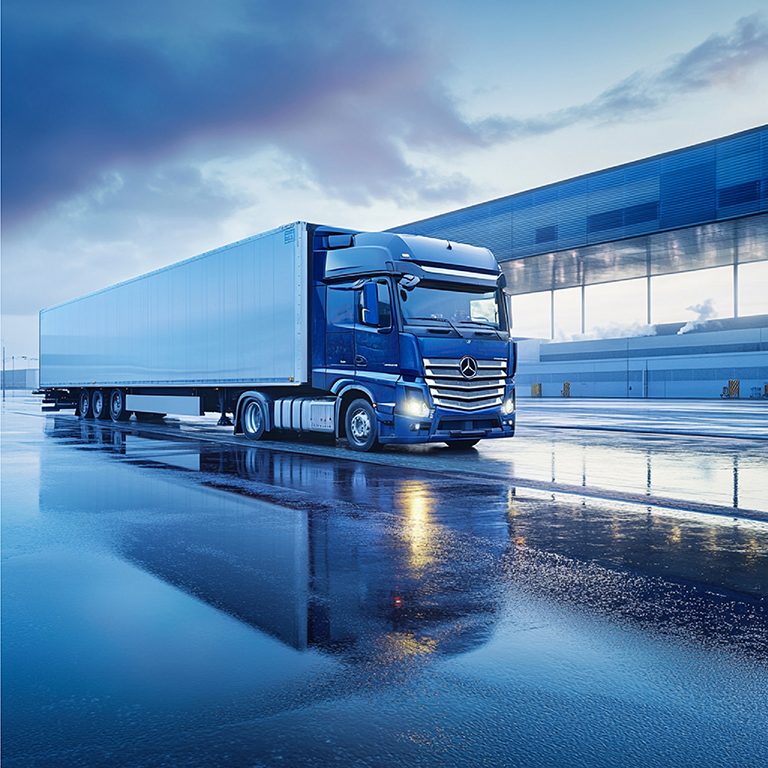
From these ports, containers are reloaded onto trucks and transported to their final destinations via overland routes. The distances are long and the routes often pass through extreme climatic conditions. Transport companies must also take into account long waiting times, border crossings and additional customs procedures.
Blockade puts freight forwarders to work day and night
Forwarders, meanwhile, are working day and night to organise alternative routes. Specialists in Middle East logistics are in close contact with agents and partners across the region. Together, they are searching for solutions to ensure containers still reach their destinations despite the blockade.
According to Jean Paul van Munster, CEO of Trans Ocean Pacific Forwarding, the situation requires constant coordination. The logistics chain has to be continuously adapted to the conditions in the region. New decisions are made every day regarding routes, transhipment ports and transport methods.
For many companies, speed is crucial. Some containers carry goods that cannot be delayed for long. If shipments remain idle, warehouses in Europe can quickly fill up and production at shippers may be disrupted. Logistics service providers try to avoid that scenario at all costs.
Blockade causes extra costs in logistics chain
Besides delays, the blockade also leads to higher costs. Land transport is more expensive than sea transport and requires additional logistics operations. Containers are transhipped several times, resulting in extra handling costs. In addition, fuel costs, insurance premiums and shipping company surcharges continue to rise.
Some shipping companies have already introduced additional surcharges for shipments to the Middle East. One example is the so-called “End of Voyage” surcharge. This fee is charged when a vessel has to end its voyage earlier than planned and unload containers at an alternative port outside the conflict zone.
The management of empty containers is also complicated by the blockade. Because ships can no longer enter the Gulf, empty containers must be returned to ports outside the region. This means trucks sometimes have to drive hundreds of extra kilometres to return an empty container to a port where it can be redeployed.
The Strait of Hormuz is one of the most important sea routes in the world. A large share of global oil and container traffic passes through this strait. As a result, a blockade has direct consequences for international trade and logistics.
Want to know more about logistics solutions for international shipments? Check out TOP's services at https://www.top.nl/diensten.
Receive our newsletter?
Stay up to date on container volumes, terminal capacity and developments in inland and sea freight. Sign up now: