

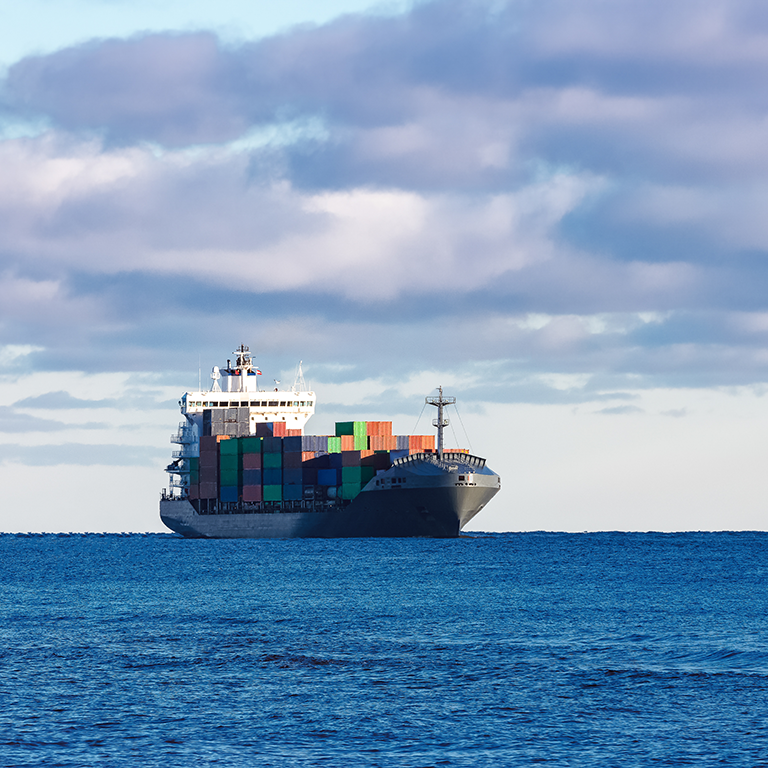
CMA CGM chooses smart emergency routes outside Hormuz
CMA CGM is seeking new logistical escape routes now that the Strait of Hormuz is no longer natural for shipping in the Gulf region. In doing so, the French shipping company is betting on alternative corridors via ports south of the strait so that cargo flows towards the United Arab Emirates and other destinations in the region can continue as much as possible.
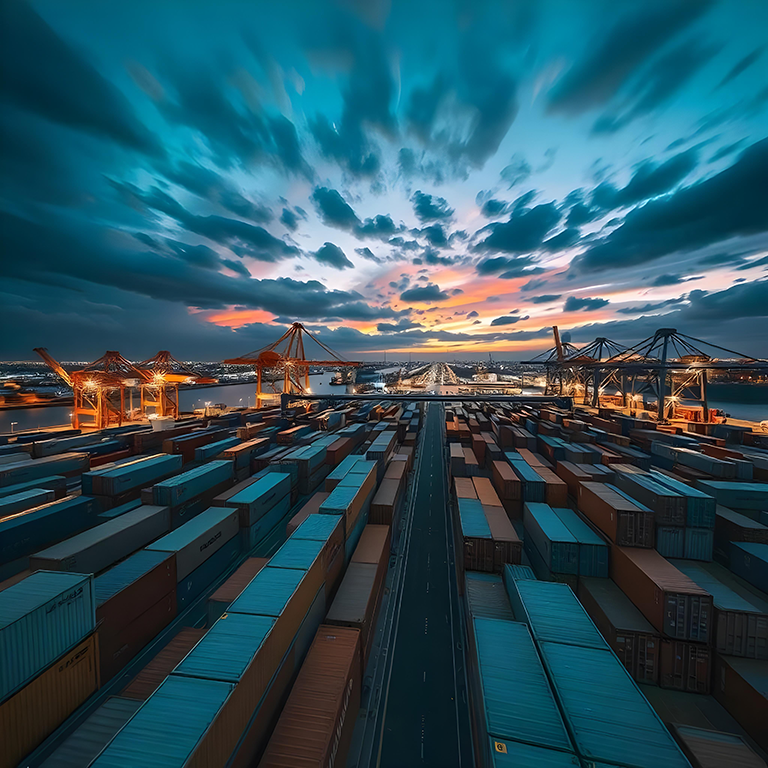
The solution revolves around a network of transhipment points in Khor Fakkan, Fujairah and Sohar. Those ports should act as hubs for containers that normally reach their destinations via the Strait of Hormuz. In doing so, CMA CGM is trying to limit the impact of geopolitical unrest on the trade chain. For shippers, this is no superfluous luxury, as every extra day of delay means higher costs, more uncertainty and another fiddle with stocks, planning and customer expectations.
CMA CGM shifts cargo via ports and road corridors
Besides maritime diversions, CMA CGM is also opting for road transport. Cargoes are further distributed via Djedda on the Red Sea to destinations in Saudi Arabia, the UAE, Qatar, Bahrain, Kuwait and Iraq. This creates an alternative route for cargo to and from Asia and the Mediterranean, without ships having to pass directly through the Strait of Hormuz.
This approach shows how heavily logistics now relies on multimodal flexibility. Those who only look at the sea miss half the story. Roads, terminals, customs procedures and rail connections together now determine whether a chain stays afloat. Especially in a region where time losses are immediately felt in distribution centres, retail shelves and industrial supplies.
Did you know this?
Khor Fakkan is particularly interesting for the region because containers can be transhipped there and then move on relatively quickly via road and rail connections towards key markets.
Why CMA CGM is betting on additional capacity beyond the strait
According to market analysis, Khor Fakkan in particular is a logical alternative, although pressure on that port is rapidly increasing. Container dwell time there is now running briskly. This is the well-known logistics waterbed effect: as soon as one route drops, the pressure immediately flows to other links in the chain. Ports that had space yesterday are suddenly up against their limits today.
That is why additional rail capacity is also important. From Khor Fakkan and Fujairah, more space is being freed up for rail freight transport, so that the dependence on trucks alone decreases slightly. At the same time, authorities in the UAE have introduced emergency customs procedures. This will allow containers to pass through to Jebel Ali and Abu Dhabi faster by road. For CMA CGM, this is crucial, as speed in paperwork is just as important as speed at the terminal in times of crisis.
For importers and exporters, this mainly means that standard routes have become less standard. Companies would be wise to look not only at sea freight, but also at the overall direction of their supply chain. Think of alternative arrival ports, longer lead times, extra trucking and close coordination with customs and freight forwarder. This is precisely where a logistics partner can make the difference. On the ocean freight page, you can read how TOP helps companies practically deal with such disruptions.
In any case, CMA CGM's deployment shows that shipping companies no longer wait for a route to reopen. They prefer to build a diversion immediately. Less elegant, often more expensive, sometimes viscous, but better than standing still. And in logistics, standing still is usually the most expensive scenario of all.
Receive our newsletter?
Stay up to date on container volumes, terminal capacity and developments in inland and sea freight. Sign up now: