




Fatal drone attack on a cargo ship off the coast of Romania
TOP MAGAZINE · Sea Freight
On 23 October, a cargo ship was sunk by a drone near Romania. This incident, which proved fatal for the crew members, highlights the growing risks to maritime freight in the western part of the Black Sea.
Cargo ship Khoryv sunk following attack
On 23 October, the Comorian-flagged cargo ship Khoryv capsized some 13 nautical miles east of the Romanian coast near Constanța, after being struck by a drone attack. There were thirteen crew members on board, nine of whom were rescued. One Ukrainian crew member was killed; three others are still missing.
According to local authorities, the Khoryv caught fire following the attack and sustained severe damage, causing it to capsize and sink almost entirely. The incident took place just outside Romanian territorial waters, close to a crucial route for Ukrainian exports.
Increased risks on key shipping route
In recent weeks, the number of attacks on commercial cargo ships in the area off the Romanian and Bulgarian coasts has increased. In total, at least seven cargo ships have been hit in the past two weeks, resulting in around thirty crew members killed or missing.
Most of the vessels attacked were en route to or anchored near the Sulina Canal, the link between the Danube and the Black Sea and an essential lifeline for the export of Ukrainian agricultural products. Due to Russian attacks on Ukrainian seaports, alternative routes via Romania are becoming increasingly important for Ukrainian shipping.
Implications for the maritime sector in the region
The recent incident has heightened uncertainty for shipowners, shippers and crews operating in the western part of the Black Sea. The attack on the Khoryv not only puts the crew in immediate danger but could also disrupt the internationally significant flow of goods to and from Ukraine.
The recent increase in attacks has led to calls from Romania, Ukraine and Bulgaria to NATO for enhanced protection of commercial shipping. NATO has since announced that it will deploy additional maritime surveillance and drones in the area around the Black Sea.
What does this mean for your shipment?
TOP’s analysis based on the above developments.
Planning
Shippers should allow for delays or route changes for shipments through the western part of the Black Sea, partly due to heightened security measures and the potential for temporary blockages.
Costs
The increased risks may lead to rising insurance premiums for sea freight and additional security measures, which are likely to increase the overall costs of transport via these routes.
Point to note
Check the current security situation on maritime routes in the region in advance and allow for potentially longer waiting times at ports and terminals on the Black Sea.
Sources
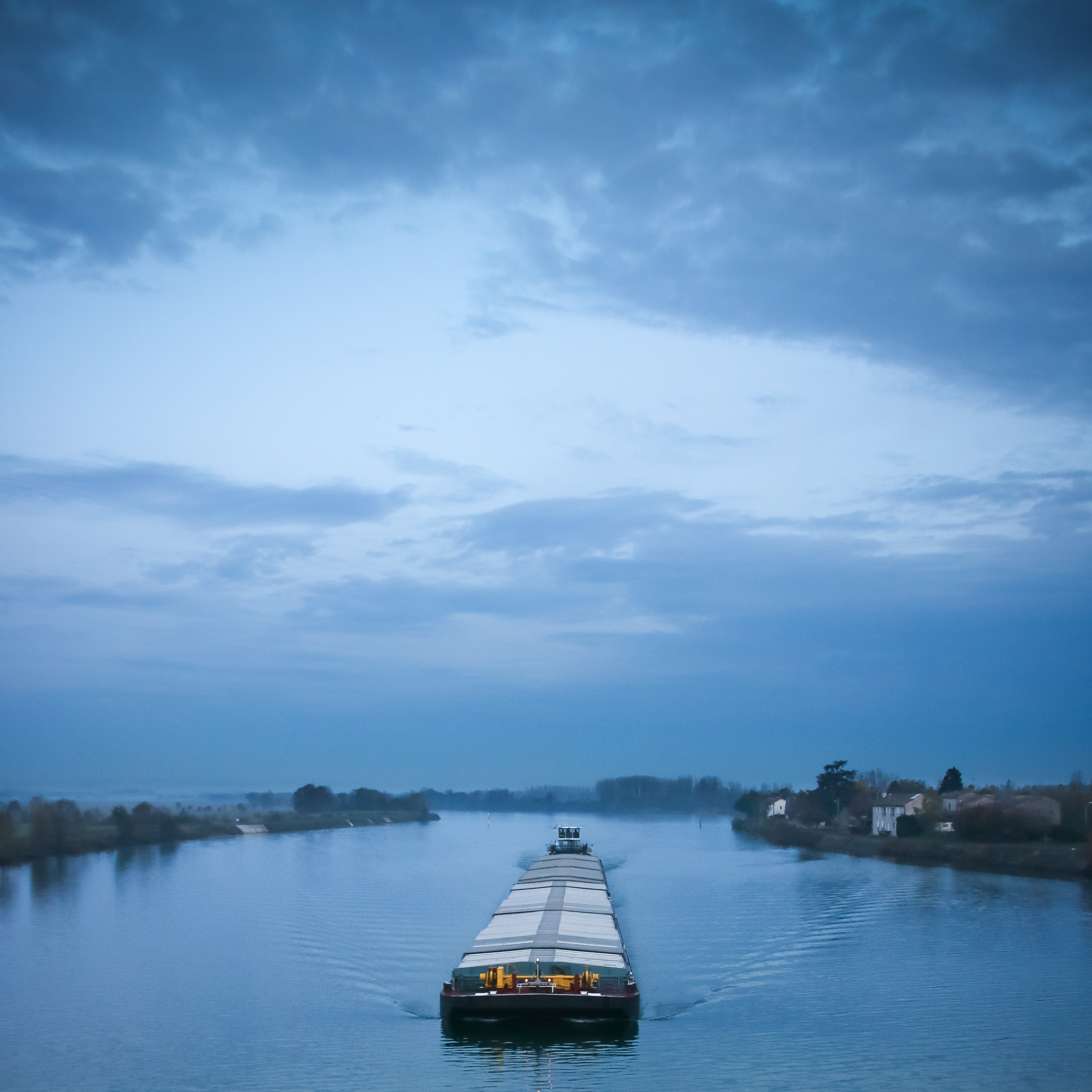
Image: TOP archive, for illustrative purposes.