



More than 20,000 freight trains are waiting at Ukraine’s border
TOP MAGAZINE · Rail
On Ukraine’s western border, rail freight transport is under severe pressure: more than 20,700 wagons are waiting to cross the border into the EU. Ukrainian Railways is taking action by reintroducing monthly quotas from November.
Mounting congestion at border crossings
According to recent reports, more than 20,700 freight wagons are currently stationary at Ukraine’s western borders. Only 837 of these are actually at the border; the remaining wagons are waiting further inland, awaiting customs clearance and transit to the European Union.
The backlog is due to limited processing capacity at border crossings with, amongst others, Poland, Hungary, Slovakia, Romania and Moldova. The situation is causing significant delays to Ukrainian rail freight transport bound for Europe.
Reintroduction of rail quotas as a measure
To prevent the congestion from worsening, the Ukrainian railway operator UZ has decided to revert to monthly quotas and planning rounds for cross-border freight traffic from November onwards.
The aim of this measure is to better regulate the flow of wagons to the border and keep the existing backlog under control. It is expected that this will slightly ease the pressure on the main border crossings, although the exact impact remains uncertain for the time being.
Consequences for westbound rail freight transport
For shippers and logistics service providers, the congestion currently means limited reliability and predictability in westbound rail freight transport from Ukraine. The scale of the current queue highlights the structural capacity shortages at border crossings with the EU.
The reintroduction of monthly planning and quota systems offers a temporary solution, but also highlights how precarious the flow of traffic remains on this rail route. Market players will need to take this into account in their freight handling and delivery commitments.
What does this mean for your consignment?
TOP’s analysis based on the above developments.
Planning
Shippers must continue to allow for unpredictable delays at the border, even with the introduction of monthly quotas.
Costs
Prolonged waiting times may lead to higher logistics costs, partly due to idle time and additional storage in Ukraine.
Point to note
Communication with carriers regarding the current status and planning of shipments to the EU is essential.
Sources
Flows — 20,718 wagons are waiting at Ukraine’s western border
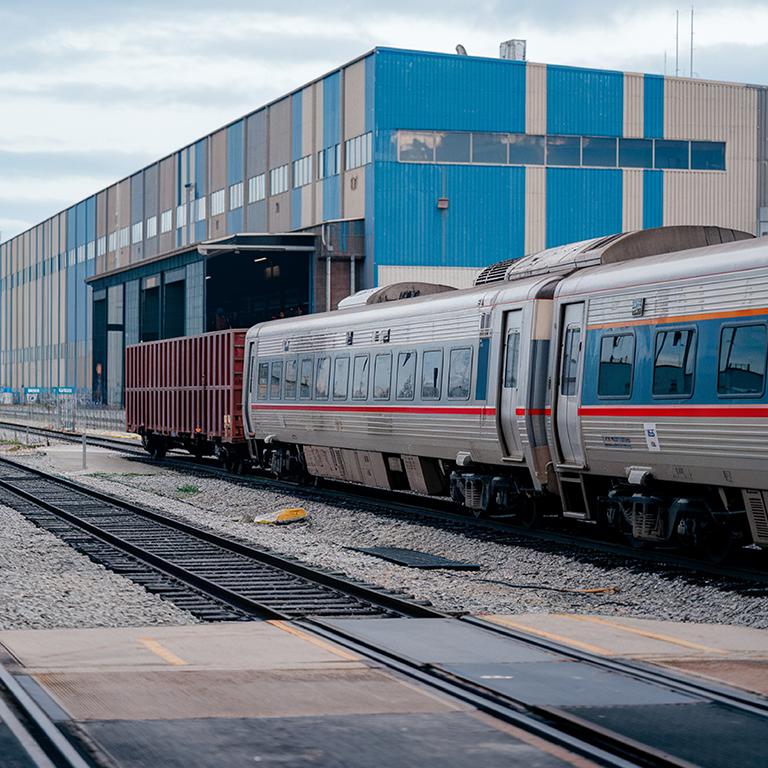
Image: TOP archive, for illustrative purposes.