




Threat of strike mounts at the ports of Los Angeles and Long Beach
TOP MAGAZINE · Ports
Negotiations between security staff and employers at the ports of Los Angeles and Long Beach have stalled. A strike is looming this coming weekend, which could bring half of the cargo volume on the US west coast to a standstill.
Negotiations stall just before deadline
Negotiations on the new collective agreement for the approximately 250 security staff who guard the terminals at Los Angeles and Long Beach came to an abrupt halt on 17 November. The parties speak of ‘little to no progress’ in the talks. The contract expires at 00:01 on 21 November. The employers’ organisation, the Pacific Maritime Association (PMA), emphasises that this creates the threat of a strike at America’s largest port complex.
The security staff, members of ILWU Local 26, work at six container terminals which together handle 85 per cent of the cargo in Long Beach and a third of that in Los Angeles. This amounts to millions of containers which, directly and indirectly, represent significant economic value each year.
Link to wider port operations
Although this concerns only 2 per cent of port staff, the terminals where the security guards are based are collectively responsible for the bulk of container handling. It is also expected that other port workers, such as dockers and clerks, will respect the picket line organised by Local 26 and stop work in the event of a strike.
Last year, the terminals in question handled some 6.2 million containers, accounting for 50,000 direct jobs and affecting 4.2 million jobs across the US. According to the employers’ organisation, a strike would not only directly affect handling operations at the port, but also national rail and road transport, logistics hubs, the retail sector and exports.
Risks to logistics chains and the economy
A strike starting on 21 November could have major logistical consequences. Containers could not be processed, ships could not be unloaded, and onward transport (including by lorry and rail) would come to a standstill. For shippers, this means impending delays, particularly for importers and exporters of seasonal goods or daily bulk goods.
The PMA points out that the economic damage increases exponentially with every day of the strike. The recent record throughput at the ports increases the risk of congestion and delays in the coming weeks.
What does this mean for your shipment?
TOP’s analysis based on the developments outlined above.
Planning
Shippers are advised to urgently evaluate alternative sea freight and feeder routes for shipments via Los Angeles and Long Beach. Weekly monitoring of the situation is recommended.
Costs
Potential delays may lead to additional costs due to storage, rebooking and alternative last-mile solutions. Should the strike continue for a longer period, costs for alternative ports may rise further.
Point to note
Keep an eye on rapidly changing terminal statuses and communications from the port authorities. Rapid escalation can bring supply chains to an abrupt halt in the absence of contingency plans.
Sources
FreightWaves — LA-Long Beach port strike risk grows as employers say ILWU talks have stalled
TTNews — Strike risk grows at Los Angeles and Long Beach ports - TT
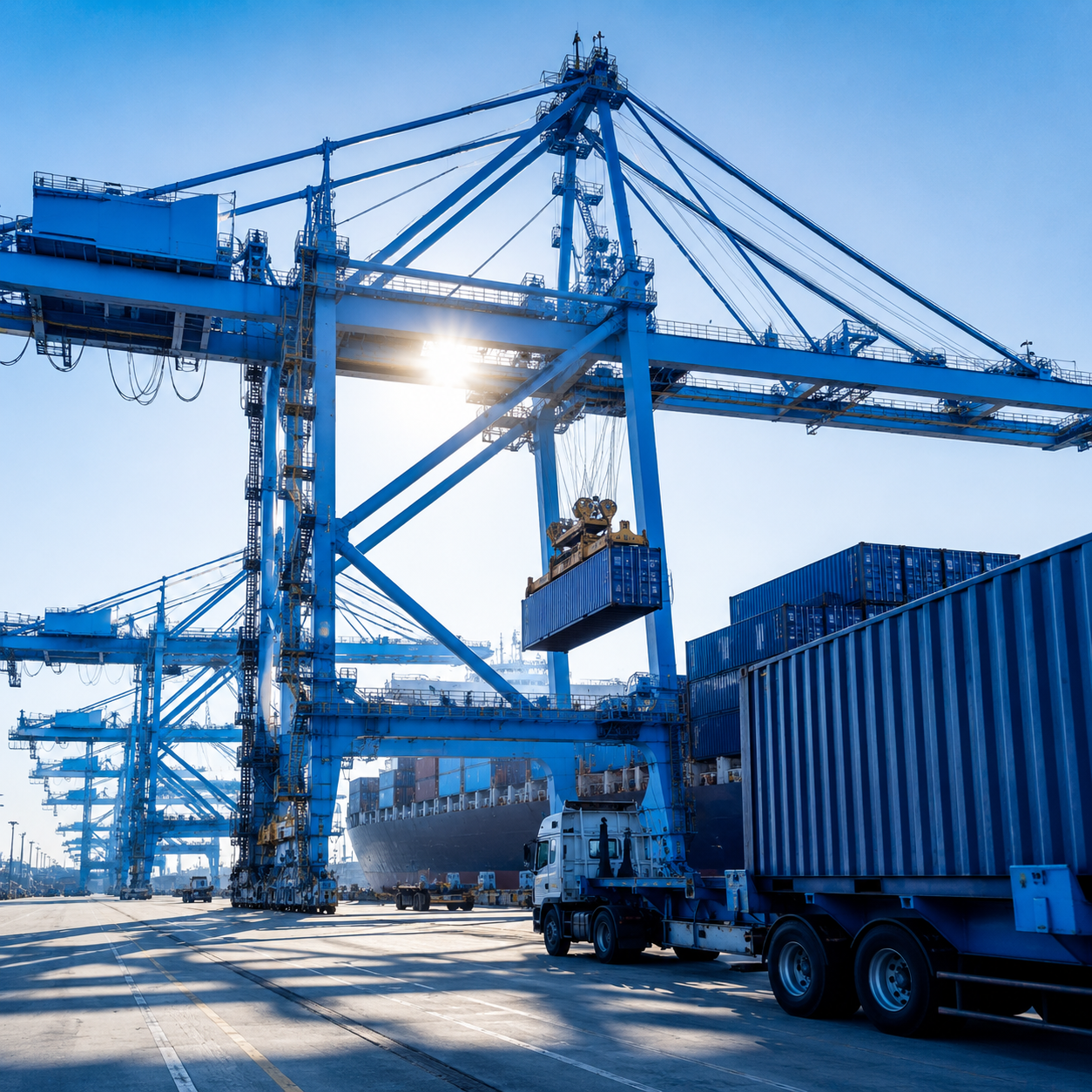
Image: TOP archive, for illustrative purposes.