



US Navy intervenes in the Strait of Hormuz
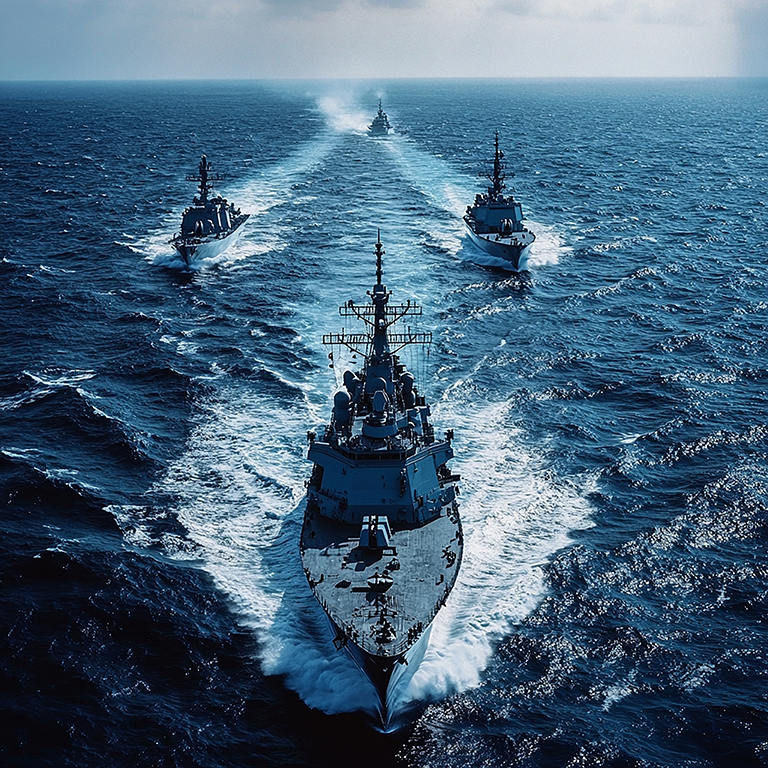
US Navy has further tightened control over shipping in the Strait of Hormuz. According to the US Defence Secretary, no ship will be allowed to leave the strait without US permission. With this, tension in one of the world's most important shipping lanes is once again increasing.
The measure is part of a broader strategy to increase economic pressure on Iran. Dozens of ships are already reported to have been stopped, directly affecting the flow of goods and energy worldwide.
US Navy restricts shipping traffic
The US Navy actively controls which ships are allowed to pass through the Strait of Hormuz. According to US authorities, this intervention is necessary to ensure security and stability.
However, the reality is that it severely restricts commercial shipping. Fewer ships can use the route, leading to delays and higher transport costs.
Iran reacts strongly to the measures, speaking of a violation of previous agreements. At the same time, incidents of ships being attacked continue to be reported, further straining the situation.
Did you know
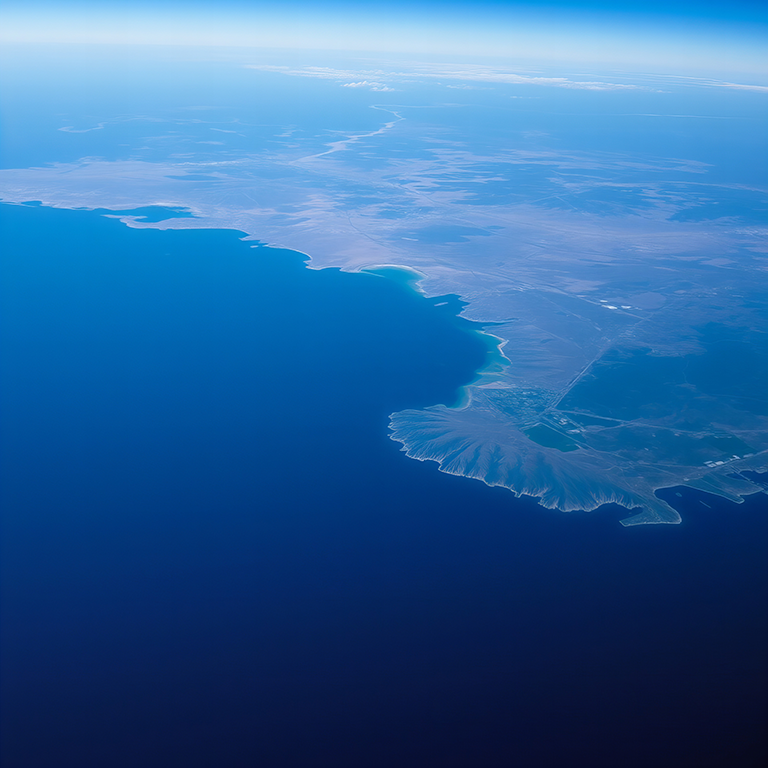
The Strait of Hormuz is a crucial passage for oil and gas transport, so any restriction has a direct impact on the global market.
US navy puts pressure on allies
The United States expects allies to take more responsibility in the region. According to the US minister, European countries have benefited from protection for years, but now it is time to take action themselves.
The situation is creating tension within international collaborations. While there are global consultations on possible solutions, there is no clear joint strategy yet.
For Europe, the consequences are significant. Dependence on energy and cargo flows through the Strait of Hormuz makes the region of strategic importance for the economy.
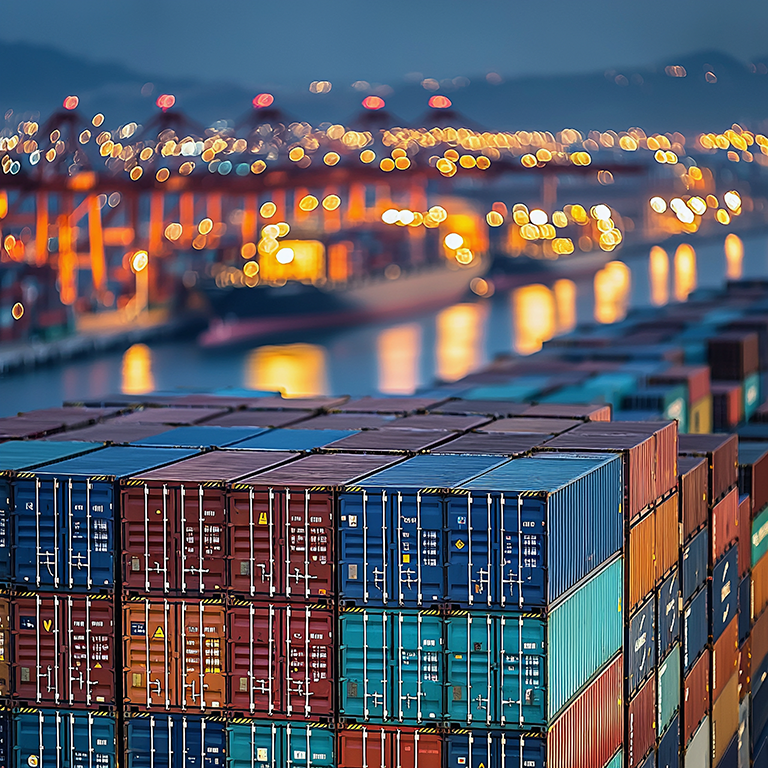
For logistics parties, this means that uncertainty remains and routes have to be continuously adjusted. Read more about international transport flows on the sea freight page.
As long as tensions persist, the US Navy's influence on shipping will remain high. This has a direct impact on delivery times, costs and the stability of global trade.