




Belgian road haulage sector expects sharp cost rises in 2027
TOP MAGAZINE · Road Transport
According to ITLB forecasts, the cost of road transport in Belgium is set to rise by over 4 per cent in 2027. Staff, financing and vehicle costs, in particular, are driving this increase.
Cost increases on the horizon for 2027
Belgian road hauliers must prepare for higher costs in 2027. According to the latest forecast from the Institute for Road Transport & Logistics Belgium (ITLB), the total costs of domestic transport will rise by 4.08 per cent, whilst an increase of 4.30 per cent is expected for domestic general cargo transport. The estimate is based on economic forecasts from early October, which take into account forthcoming wage rises and other cost developments.
Excluding the fuel component – which is often settled separately under contract – the ITLB suggests that total costs could rise even more sharply, to 5.33% for domestic transport. For international transport, the expected cost increase varies between 3.19 per cent and 3.62 per cent, depending on the destination.
Causes of the cost increase
Staff costs, depreciation and financing costs are the main contributors to the rising costs. For example, the cost of driving staff is set to rise by an average of 5.06 per cent; this is due to expected wage increases and higher allowances. Depreciation on vehicles is set to rise by as much as 9.75 per cent. On top of this, financing costs are set to rise to 8.56 per cent, partly due to higher interest charges and the need to renew the fleet.
The trend in diesel prices remains uncertain. Although ITLB bases its estimate on a stable fuel price compared with October 2026, a price rise or a change in excise duty regulations could affect the final costs. Furthermore, there is uncertainty regarding the indexation and extension of the kilometre charge, particularly in Wallonia.
Recommendations for transport contracts
ITLB advises shippers and hauliers to analyse fuel costs, road pricing and other components separately during rate negotiations, as the average cost increase will not affect every route or company in the same way. Companies with a large workforce and a young fleet may experience a different increase to those with older vehicles.
Furthermore, companies must take into account possible revisions to the forecast. ITLB emphasises that its figures serve as a guideline based on current information, but that periodic review remains important in view of economic uncertainties and upcoming policy changes, such as adjustments to road pricing.
What does this mean for your consignment?
TOP’s analysis based on the above developments.
Planning
Shippers would be well advised to update their transport budgets in good time and to anticipate cost increases; renegotiating existing transport contracts may be necessary.
Costs
Due to rising labour costs, depreciation and financing, companies must factor in higher transport rates. The ultimate impact varies depending on the route and the company’s specific circumstances.
Point to note
When drawing up quotations, take into account uncertainties regarding fuel and road toll charges, particularly for international and Walloon routes.
Sources
Flows — Road transport braces for significantly higher costs in 2027
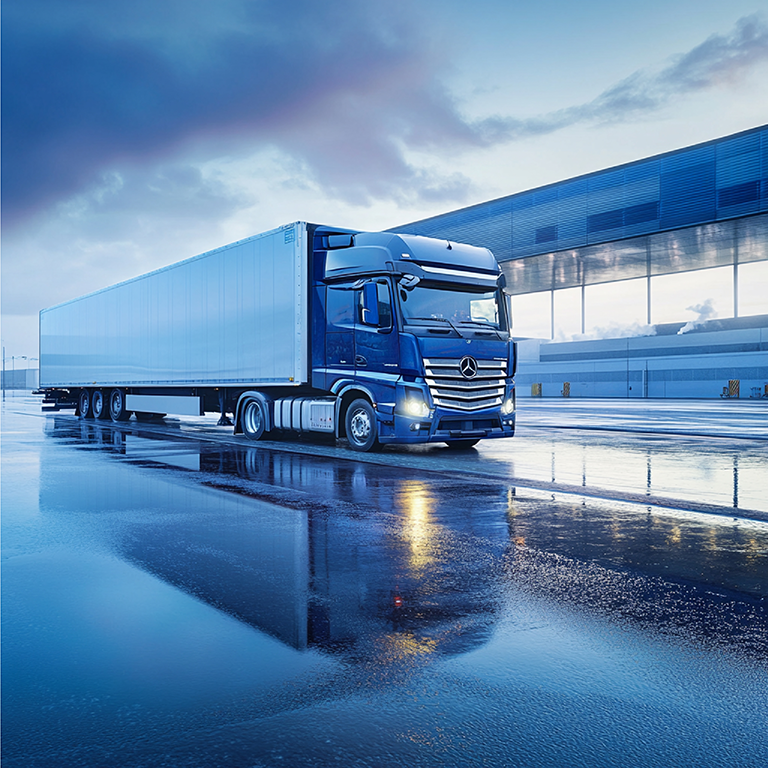
Image: TOP archive, for illustrative purposes.