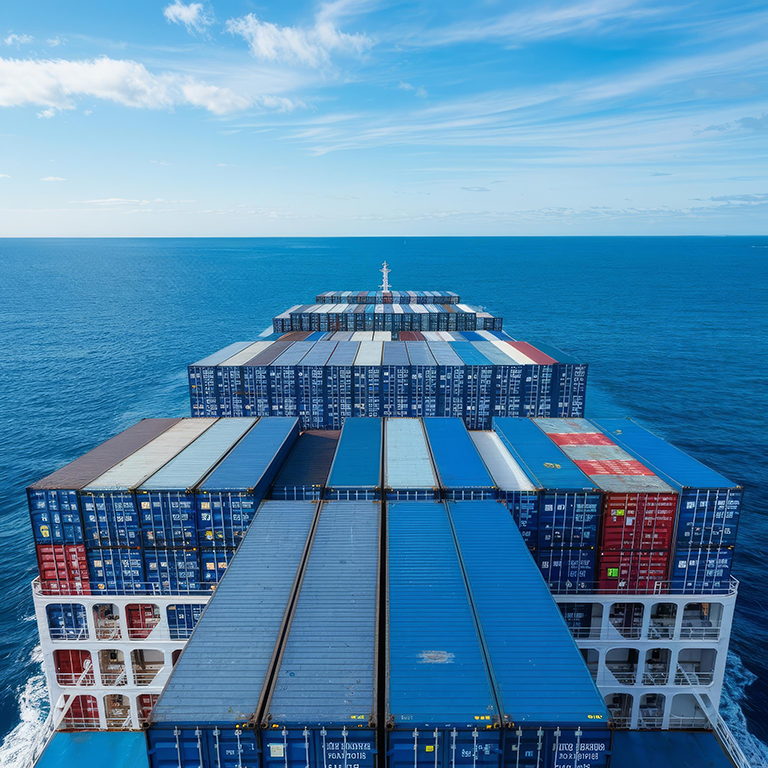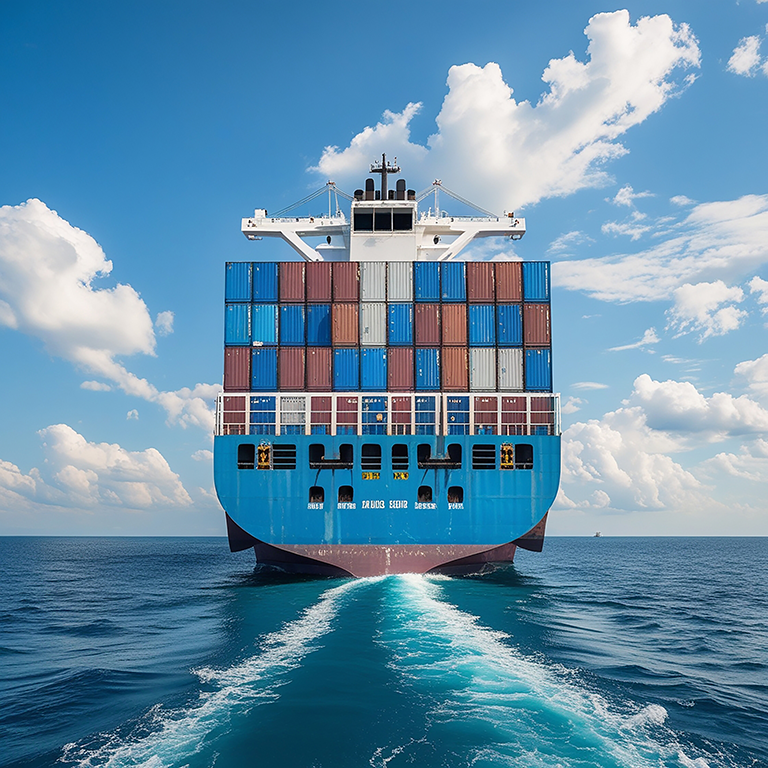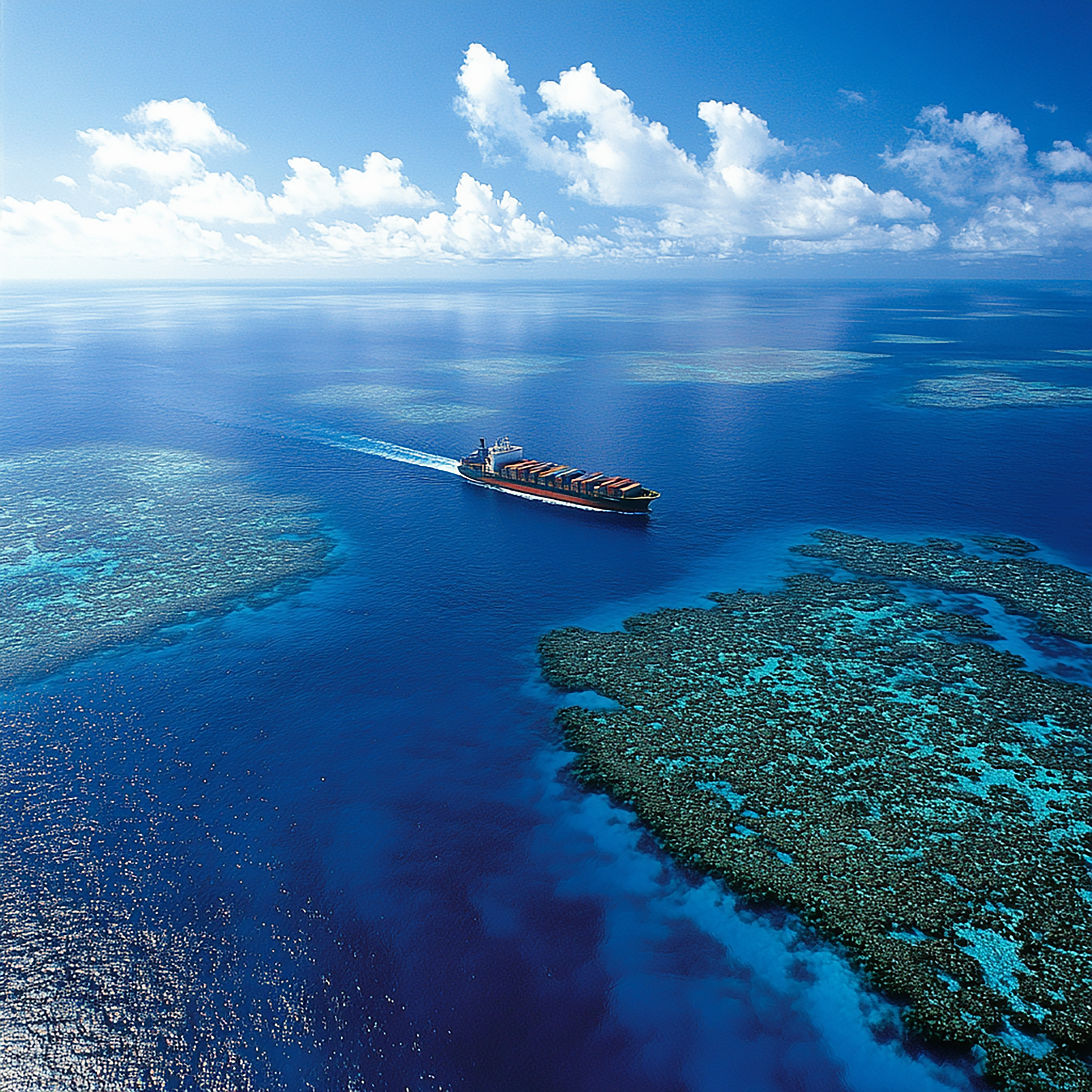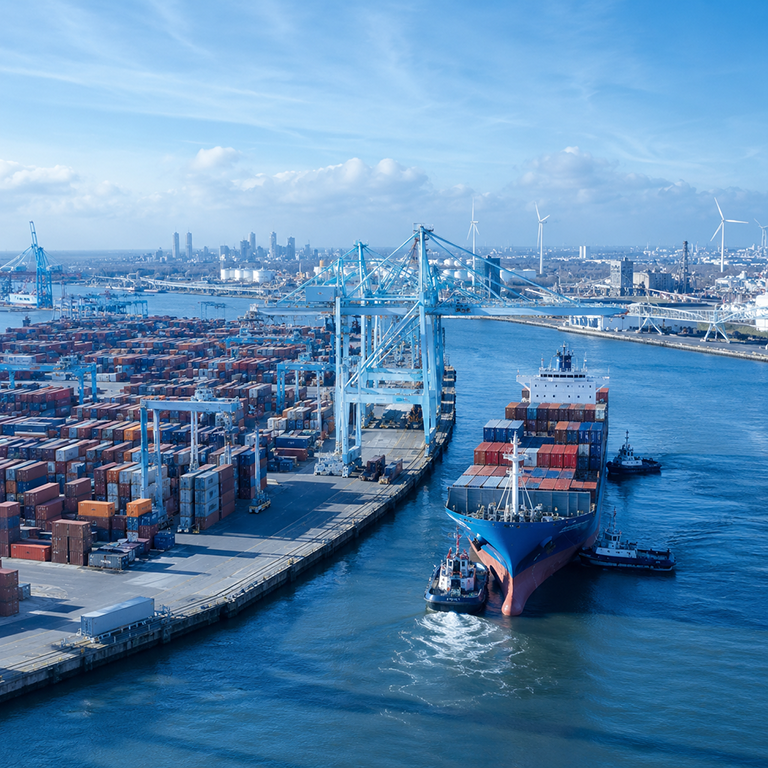



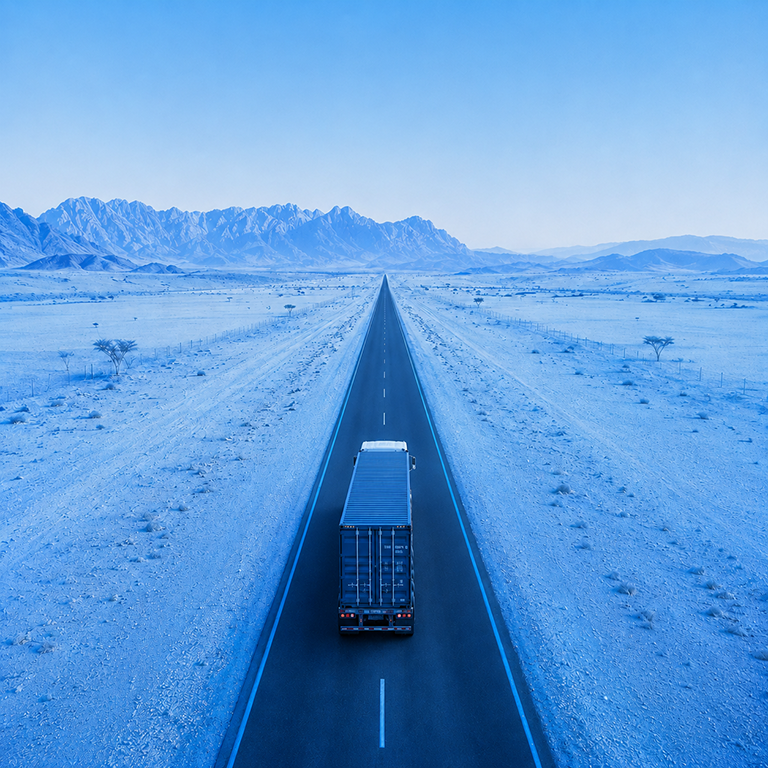
In future, many critical raw materials could be transported via Namibia to Rotterdam. The Port of Rotterdam Authority is involved in plans for a terminal in Lüderitz, from where copper and manganese ore, amongst other things, are to be shipped to Europe.
The plans form part of a broader European strategy to reduce dependence on China for strategic raw materials. At the same time, the project remains a sensitive issue, as Namibia is grappling with poverty, unemployment and a troubled colonial past.
Many critical raw materials needed for the energy transition
Critical raw materials are indispensable for the energy transition. They are used in batteries, electric motors, wind turbines, cables, magnets and other technologies needed to make industry and mobility more sustainable.
For Europe, the supply of these materials is of strategic importance. China currently dominates a large part of the processing of various critical raw materials. This dependence leaves Europe vulnerable, particularly when raw materials are used as a means of exerting geopolitical pressure.
That is why Europe is actively seeking new routes, new processing sites and reliable partners outside China. Namibia can play a role in this, for example through the export of manganese, copper and possibly other strategic materials. Further information on international goods flows can be found on the sea freight page.
Port of Rotterdam Authority is working on a terminal in Lüderitz
Rotterdam’s involvement in Namibia began around six years ago. At that time, the Port of Rotterdam Authority came into contact with the Namibian government, which was seeking investors for the production of green hydrogen.
Those hydrogen plans have not yet got off the ground as hoped. The necessary investments, running into the billions, have so far failed to materialise. Investors still see little concrete demand for green hydrogen, whilst the lack of investment is actually keeping the price high.
Now that the hydrogen plans are stalling, a second track is coming more firmly into focus: a terminal for critical raw materials. Lüderitz is set to become a link between southern Africa and north-western Europe, with Rotterdam serving as a key gateway to the European market.
Manganese and copper bound for Europe
A key part of the plan is the export of manganese ore. In the battery industry, manganese can serve, in part, as an alternative to cobalt. This makes the material attractive to European manufacturers seeking to diversify their supply chains.
Around a third of global manganese production comes from mines in South Africa. A large proportion is transported by rail and via ports to China, where the vast majority of processing takes place. Due to congestion in South African ports and on the rail network, some of the manganese ore is now being transhipped via Lüderitz.
Europe wants to attract a share of this flow of goods. With the help of European funding, the Port of Rotterdam Authority has therefore drawn up a terminal design to facilitate the export of manganese on a larger scale. Copper also plays an important role in the plans. According to those involved, millions of tonnes of copper could be shipped to Europe from the region around Lüderitz.
First ships possibly around 2030
The envisaged model is for ores to be processed locally in Lüderitz, preferably using green electricity. Semi-finished products would then be shipped to Europe via the new terminal. Rotterdam could play a central role in this as a storage, transhipment and distribution hub.
According to Martijn Coopman, who has been working on the plans in Namibia on behalf of the Port of Rotterdam Authority for many years, the first ships could set sail from Lüderitz to Rotterdam around 2030 or 2031. It was also recently announced that the Port of Rotterdam Authority is in talks with the European Union regarding increased storage of critical materials in the port.
This is relevant to the logistics sector. New flows of raw materials require reliable sea freight connections, storage capacity, customs clearance, documentation and hinterland transport. TOP supports clients with international logistics, including imports, exports and customs clearance.
Green hydrogen remains uncertain for the time being
Alongside critical raw materials, green hydrogen remains part of the long-term plans in Namibia. The hydrogen plant is to be built in a desert-like area south of Lüderitz. Thanks to the combination of sun, wind and space, Namibia is seen as a promising location for large-scale production.
In practice, however, the situation is proving challenging. The necessary investments are substantial, whilst demand for green hydrogen is still too uncertain. This creates a chicken-and-egg situation: without demand, investments are slow to materialise, but without investments, green hydrogen remains expensive.
Coopman expects European demand for hydrogen to grow rapidly from 2032 onwards. By that time, the Delta Rhine Corridor – the hydrogen network linking Rotterdam to Germany – should also be ready. Namibian hydrogen could then be channelled via Rotterdam to German industry.
Criticism of plans in Namibia
There is also criticism of the plans centred on Lüderitz. Follow the Money previously described the delayed hydrogen project as a costly dream, the realisation of which remains uncertain. Investors are staying away, and billions are needed to get production and exports off the ground.
In addition, there are concerns about the environment, local interests and the question of who will ultimately benefit. Namibia has a difficult history. During the colonial era, the country was occupied by German settlers. Even today, poverty and unemployment remain high, particularly amongst young people.
According to the Namibian government, hydrogen projects, port development and investment can, in fact, generate tax revenue, training opportunities and jobs. Coopman emphasises that the project must be a win-win and that local infrastructure, such as sewerage and water treatment, must also be prioritised.
Colonial past makes the project a sensitive issue
The sensitivity surrounding Lüderitz is heightened by the history of Shark Island. During the colonial era, a concentration camp was located on this peninsula off the coast of Lüderitz. Some critics draw a link between the hydrogen project and this island.
According to Coopman, this link is factually incorrect, as the hydrogen port is being developed elsewhere. However, the debate has led to plans for a museum and memorial site on Shark Island. This underlines how important careful communication and local engagement are in international infrastructure projects.
For European stakeholders, this is a key area of focus. Projects relating to raw materials, energy and ports can only be sustainable if economic interests are combined with local development, transparency and respect for historical sensitivities.
Rotterdam seeks a role in new raw materials supply chains
For Rotterdam, the Namibia project forms part of a broader shift. The port not only wants to remain a key hub for fossil fuel shipments, containers and bulk cargo, but also to play a central role in new supply chains centred on energy, hydrogen and critical materials.
If Europe sources more critical raw materials from Namibia, a new logistics corridor will emerge between southern Africa and north-western Europe. In this context, sea freight, transhipment, storage, customs, quality control and hinterland connections are all part of the same supply chain.
For companies operating in the raw materials, engineering, batteries or industrial production sectors, it is therefore important to keep abreast of these developments. New routes can offer opportunities, but also require thorough preparation, reliable partners and an understanding of regulations. Read more about multimodal transport, container handling and sustainability.
…critical raw materials such as manganese, copper and neodymium are essential for batteries, electric motors and magnets? This is precisely why Europe wants to diversify the supply and processing of these materials more effectively.