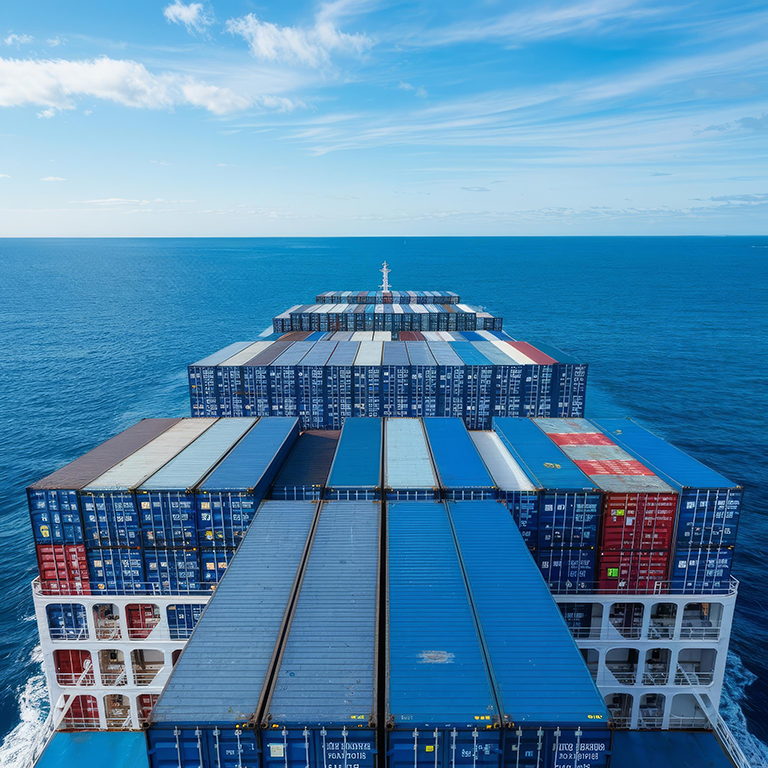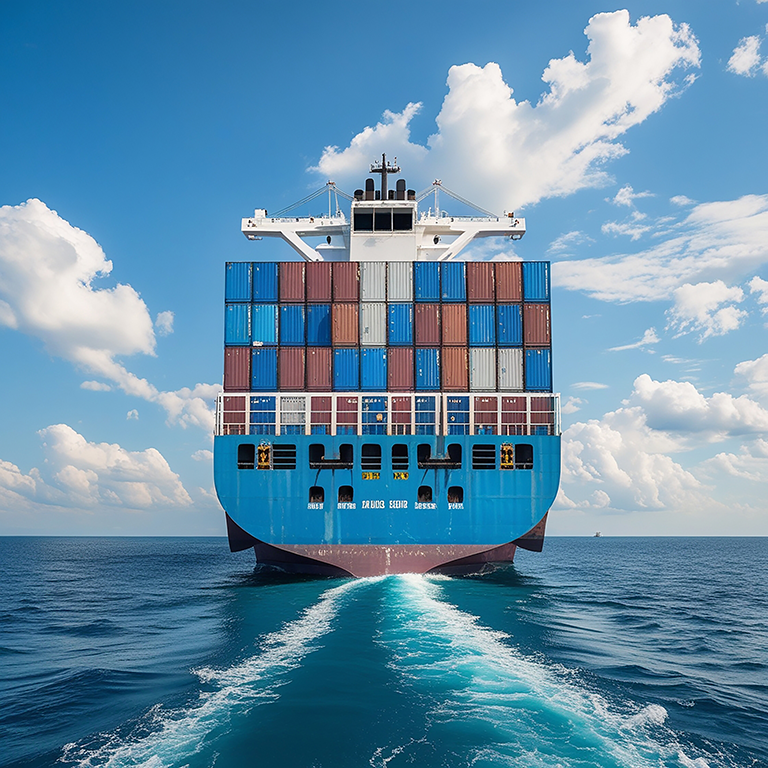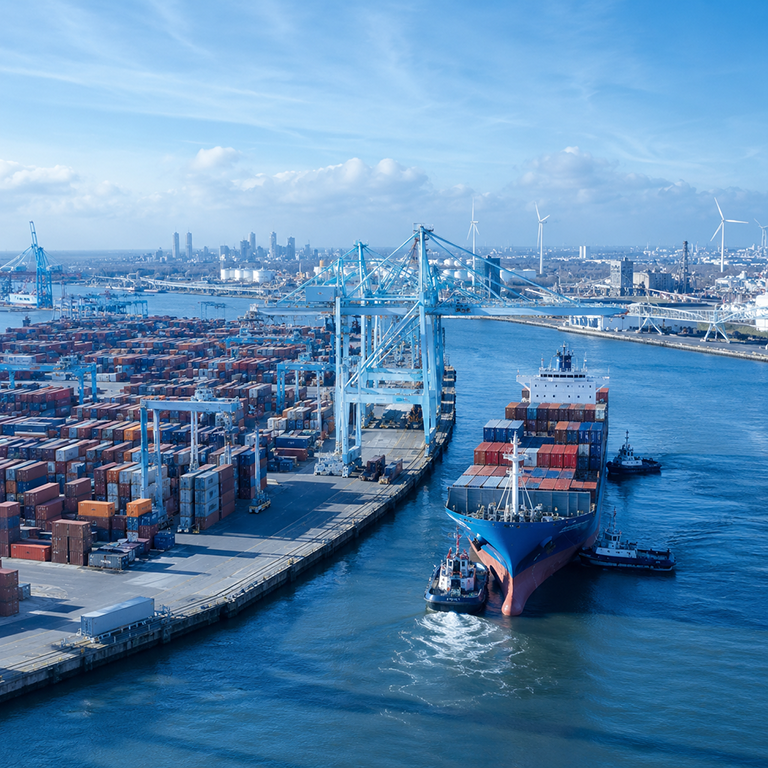




Customs officials have discovered a large consignment of cocaine in a container of timber at the Port of Rotterdam. The Public Prosecution Service reports that the haul consists of 3,867 kilos of packages.
The discovery was made on 27 May during an inspection on board a seagoing vessel. Customs officers came across a suspicious container and found packets and bags of cocaine inside. The drugs have since been destroyed.
Customs discovers suspicious container containing timber
During the inspection, customs officers boarded the seagoing vessel and focused their attention on a suspicious container. The container held a consignment of timber, but parcels and bags full of cocaine were also found amongst the cargo.
According to the Public Prosecution Service, the container originated in Chile and had been transhipped in Peru. The container was destined for a company in Belgium. According to the Public Prosecution Service, that company appears to have no connection with the case.
Following the inspection and the seizure of the drugs, the seagoing vessel continued on to the port of Antwerp. The discovery once again highlights the importance of checks on international container flows. Further information on checks, documents and international goods flows can be found on the pages about customs, imports and container handling.
Customs checks at the Port of Rotterdam remain crucial
The Port of Rotterdam is one of Europe’s largest logistics hubs. Every day, large quantities of containers arrive from all over the world. It is precisely because of this scale that supervision is so important. Inspections are designed to prevent illegal goods from entering Europe via regular trade flows.
For legitimate businesses, the discovery of drugs in or around a container can have serious consequences. Even if a company has nothing to do with the matter, it may face delays, additional checks, administrative queries and reputational damage. This makes good documentation, reliable supply chain partners and clear communication essential.
International trade is therefore not just about transport from A to B. Origin, transhipment, sealing, documentation, customs status and destination also play a key role. Careful supply chain monitoring is indispensable, particularly for containers travelling via multiple ports.
HARC team investigates major drug seizure
The so-called HARC team is investigating the case. This team is a joint initiative involving Customs, the FIOD, the Seaport Police and the Public Prosecution Service in Rotterdam. The HARC team frequently investigates drug discoveries in the Port of Rotterdam, working in collaboration with various investigative agencies.
This collaboration is necessary because drug smuggling via sea containers often involves multiple links in the chain. These include international shipping, transhipment, port logistics, transport documents, container terminals and potential collectors in the hinterland. By combining information from different agencies, the authorities are better able to investigate how a consignment of drugs ends up in a container.
For logistics companies, this discovery underlines the importance of vigilance. A container may look normal on paper, yet anomalies are still detected during checks. This makes professional handling, transparent documentation and sound internal procedures essential.
Container originating from Chile and transhipped in Peru
According to the Public Prosecution Service, the container originally came from Chile and was transhipped in Peru. Such international routes are common in global trade. Containers may pass through several ports and terminals en route before reaching their final destination.
It is precisely on such routes that it is important for documents, seals and cargo information to be carefully checked. At every stage of the chain, it must be clear which party is responsible for what. This helps businesses to minimise risks and prevents innocent recipients from being unnecessarily linked to criminal offences.
It remains advisable for importers and exporters to properly document their transport arrangements. This includes clear terms of delivery, correct commercial documents and insight into the container’s route. Further information on international commercial documents can be found on the pages about the Bill of Lading, Commercial Invoice and Incoterms.
Port of Rotterdam remains a key control point
The discovery of 3,867 kilograms of cocaine forms part of a broader picture in which ports are paying extra attention to subversion, container security and cooperation between public and private parties. The combination of large volumes and international trade routes makes seaports attractive targets for criminal exploitation.
For the logistics sector, this means that security is increasingly becoming an integral part of day-to-day operations. Companies must not only focus on price, speed and availability, but also on reliability, compliance and the traceability of the supply chain.
TOP closely monitors developments relating to customs, port controls and international container flows. For customers, it remains important to provide complete documentation, report any discrepancies promptly and work with reliable partners throughout the supply chain.
…the HARC team in Rotterdam comprises Customs, the FIOD, the Seaport Police and the Public Prosecution Service? This collaboration focuses on tackling drug smuggling and subversion via the Port of Rotterdam.