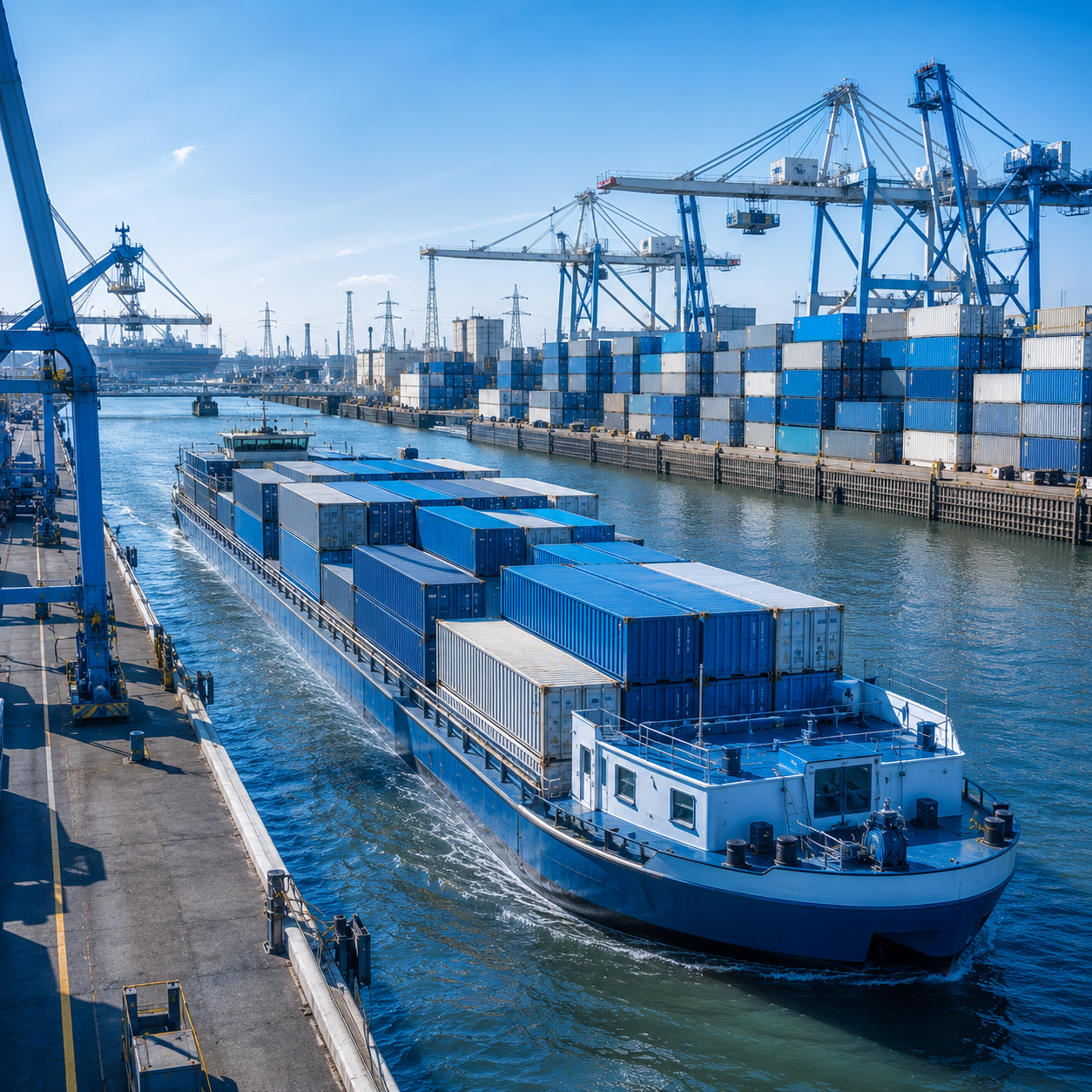



Inland ports are to begin consultations with one another with immediate effect regarding the ongoing drought and low water levels. The Dutch Association of Inland Ports (NVB) wishes to quickly identify the challenges ports are facing.
Among others, Port of Zwolle, Port of Twente and Blue Ports Limburg have been invited to the consultation. The NVB wishes to inform its members about the national discussions on drought and low water levels, whilst at the same time gathering feedback from the field.
Inland ports want to identify problems quickly
The Dutch Association of Inland Ports is organising the consultation because the consequences of the drought are becoming increasingly apparent for the logistics sector. Inland ports form a vital link between seaports, inland waterway transport, industrial estates, terminals and the hinterland.
The association wants to know what bottlenecks its members are facing. These include limited draught, reduced cargo per vessel, adjusted sailing schedules, waiting times at locks and additional pressure on planning. The NVB intends to bring these issues to the national drought consultation organised by the Ministry of Infrastructure and Water Management.
This is important for shippers and logistics service providers. When inland ports are less accessible or ships can carry less cargo, this has a knock-on effect throughout the entire supply chain. Further information on combined transport solutions can be found on the multimodal transport page.
Water shortage affects the logistics sector
Since Thursday 16 July, the Netherlands has been experiencing a de facto water shortage. Due to the persistent drought, less water is entering the country via rain and rivers, whilst demand for water remains high. Rijkswaterstaat reports that river flows are at historically low levels. :contentReference[oaicite:1]{index=1}
This means that Rijkswaterstaat, water boards, provinces and other parties are taking measures to allocate the available water as effectively as possible. In doing so, they are considering water safety, drinking water, agriculture, nature, industry and shipping.
The NVB wants such measures to also take logistics and inland ports into account. After all, less frequent lock operations, restricted draughts or waiting times can have a direct impact on the delivery and removal of goods.
Inland ports feeling the effects of low water levels
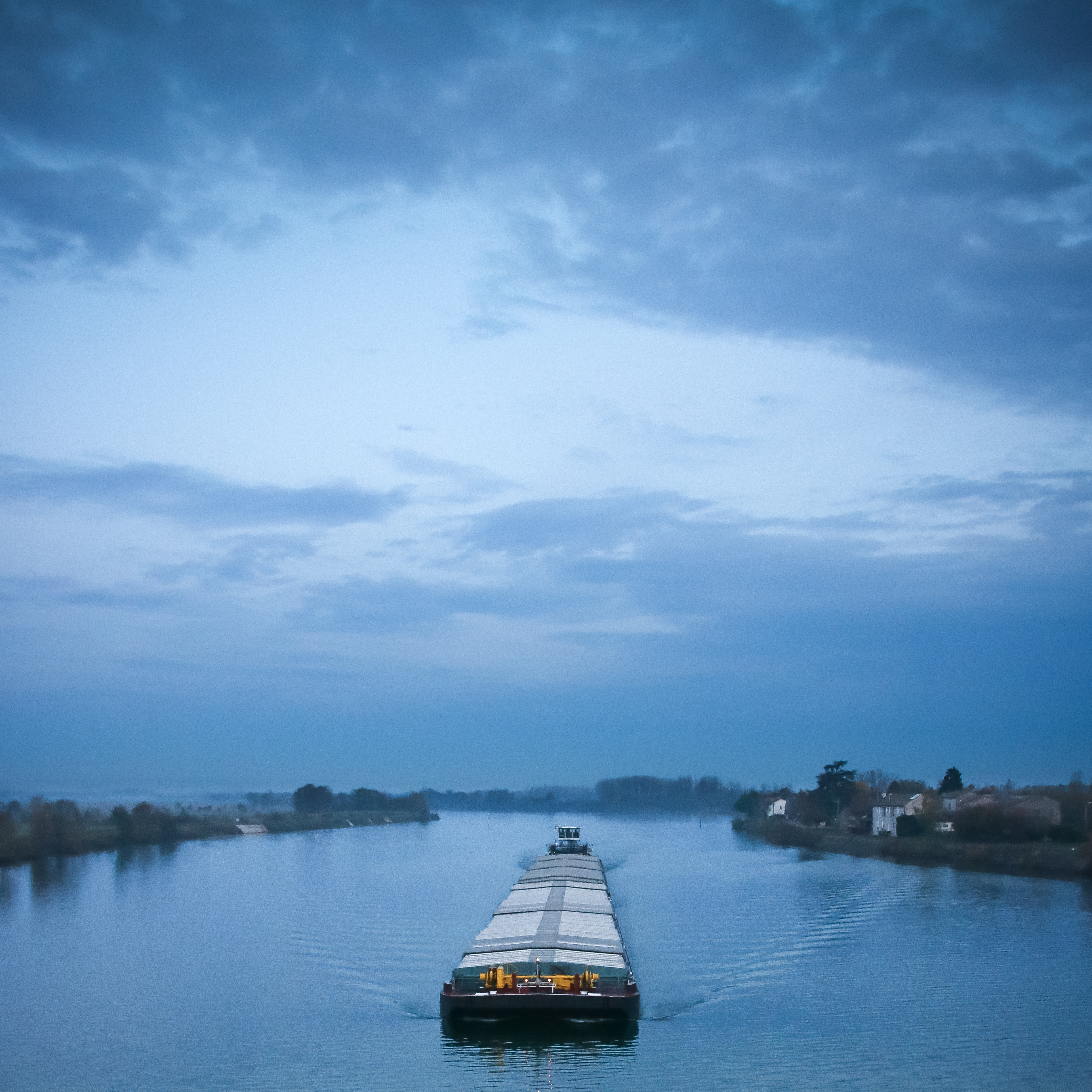
Lower water levels mean that inland waterway vessels can carry less cargo. This means that more voyages are required to transport the same volume of goods. If low water levels persist, this can lead to higher costs, more complex planning and greater pressure on available vessels.
Locks also play an important role. When locks are operated less frequently to retain water, waiting times can arise. For inland ports and terminals, this can affect the reliability of deliveries and collections, particularly when goods need to be delivered just-in-time.
Low water levels can therefore quickly have an operational impact on container flows, bulk cargo, building materials and industrial goods. Inland waterway transport remains efficient for large volumes, but is heavily dependent on sufficient water depth and well-functioning waterways.
Port of Zwolle, Port of Twente and Limburg at the table
The inland ports mentioned include the Port of Zwolle, the Port of Twente and Blue Ports Limburg. Each of these ports plays a role in regional logistics and hinterland connections. They link businesses to inland waterway transport, road transport and, in some cases, rail.
Regional ports, in particular, can be quickly affected by low water levels. When a waterway becomes less navigable, this leads to restrictions in load capacity, accessibility or scheduling. This affects not only the port itself, but also businesses that rely on raw materials, semi-finished goods or finished products delivered by water.
The NVB aims to collate these reports. This will enable the association to make it clear to the Ministry which measures work in practice and where inland ports require extra attention.
Fewer lock passages can disrupt planning
One of the consequences of water shortages may be that locks are operated less frequently. Whilst this saves water, for inland waterway transport it can lead to longer waiting times. Vessels may then find their schedules less predictable and arrival times may be delayed.
For terminals, this means that loading and unloading times will need to be adjusted. For shippers, it may lead to delays in delivery or additional costs if alternative modes of transport have to be used. The availability of containers may also come under pressure if transit times are extended.
That is why the NVB is calling for the position of inland ports to be taken into account in national measures. The logistical impact of drought is not always immediately apparent, but can quickly escalate if water levels continue to fall.
Low water levels call for alternatives
When inland waterway transport is unable to carry as much cargo per vessel, companies must look for alternatives. This may mean deploying additional vessels, redistributing cargo, or making greater use of road or rail transport on a temporary basis.
These choices are not straightforward. Large volumes cannot usually be transferred to lorries without further ado. Nor is rail capacity always immediately available. That is why early planning is important, particularly for companies with fixed delivery windows, construction projects, production lines or seasonal goods flows.
TOP supports customers in assessing transport options when circumstances change. Read more about road transport, sea freight and container handling.
Inland ports are keeping a close eye on developments
The NVB says it intends to keep a close eye on developments. By initiating the inland port consultation process immediately, the association aims to prevent bottlenecks from only becoming apparent once the situation has become critical.
This is important because drought and low water levels often worsen gradually. What is still manageable today could lead to serious restrictions on navigability, terminal planning and transport costs in a few weeks’ time.
It therefore remains vital for the logistics sector to closely monitor water levels, lock operations and terminal capacity. Inland ports are a key link in the Netherlands’ hinterland logistics network and play a major role in the accessibility of businesses located away from the seaports.
…inland ports play a key role in the hinterland connections of Dutch seaports? They help to distribute freight flows via inland waterways, road transport and, in some cases, rail.