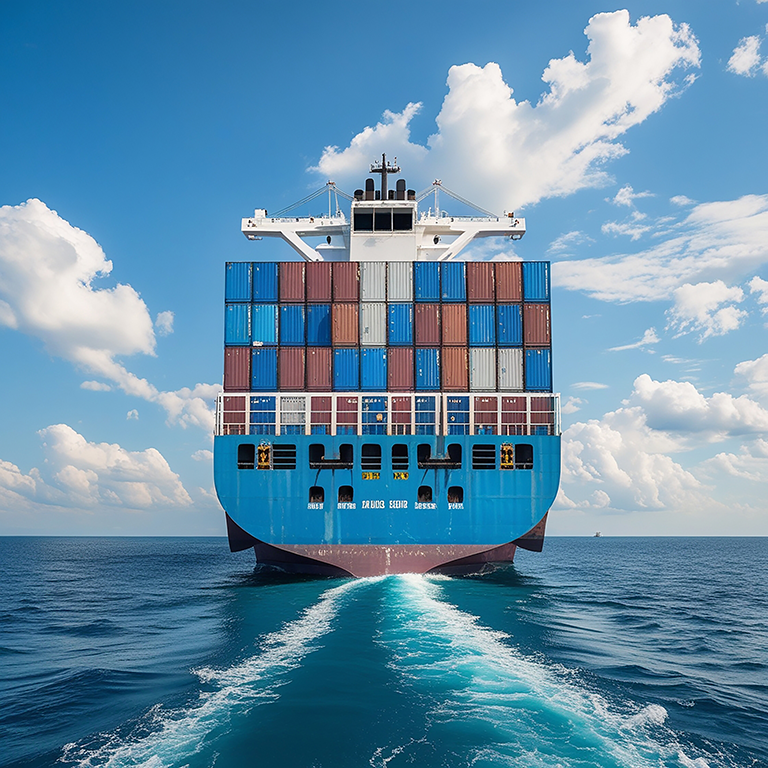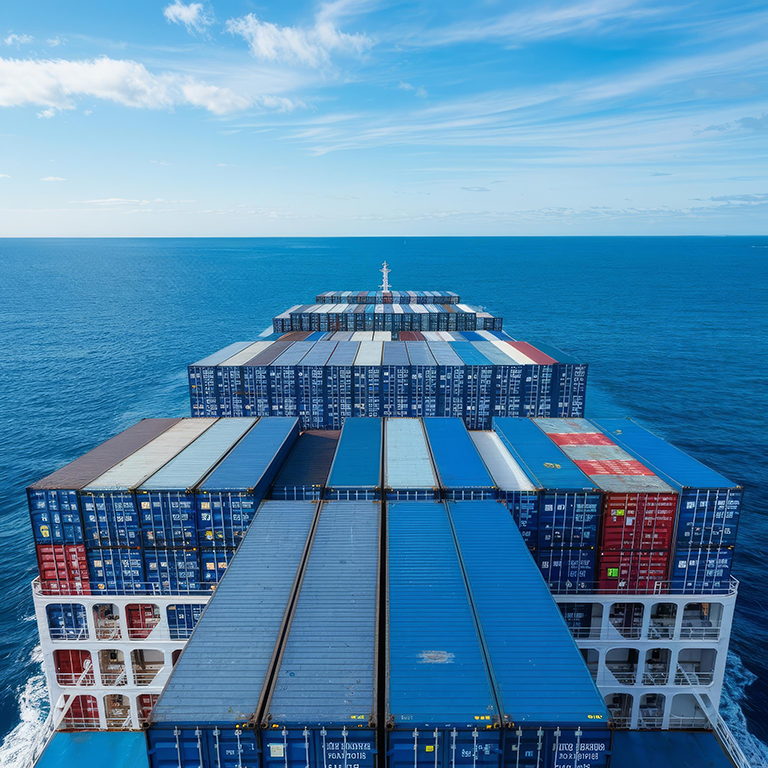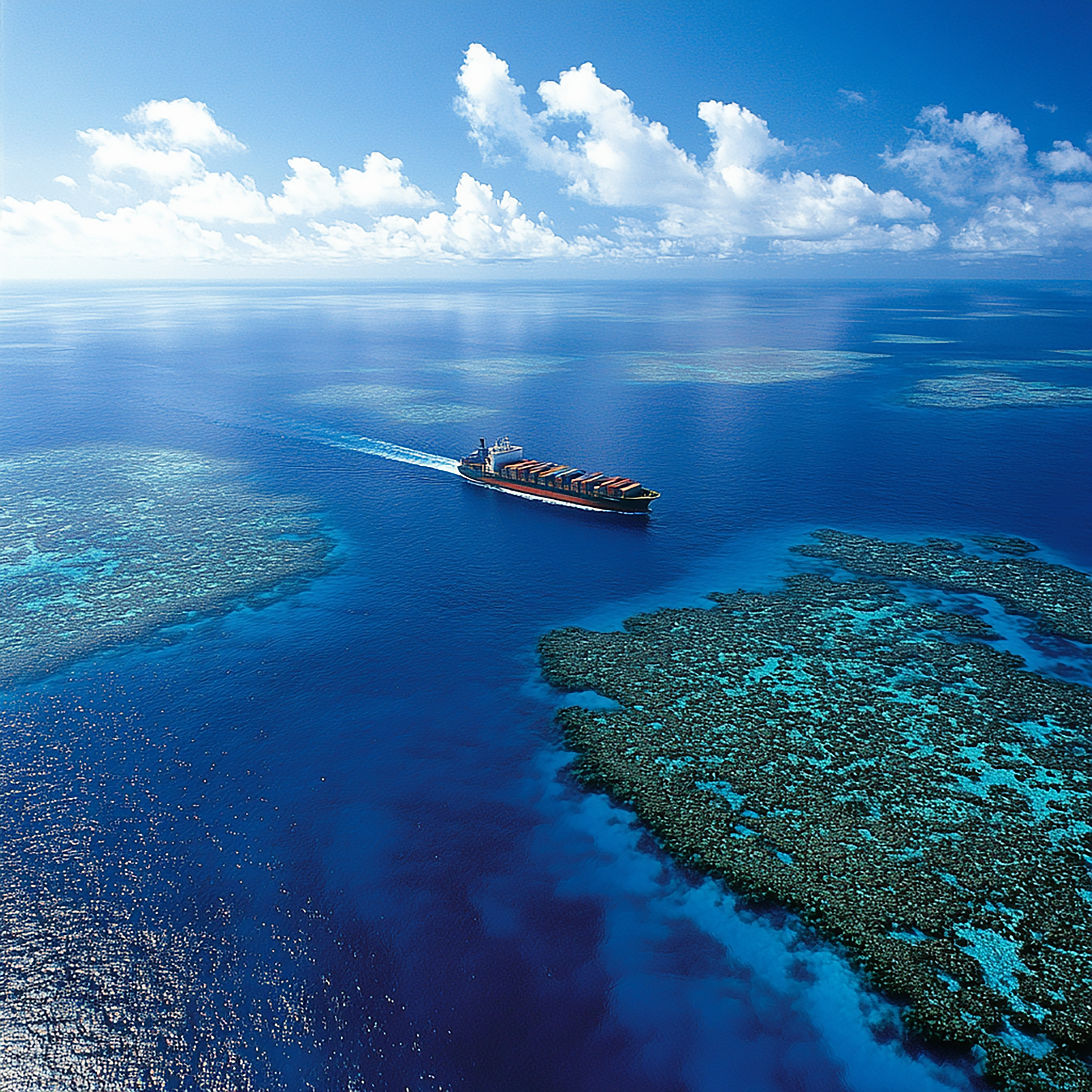




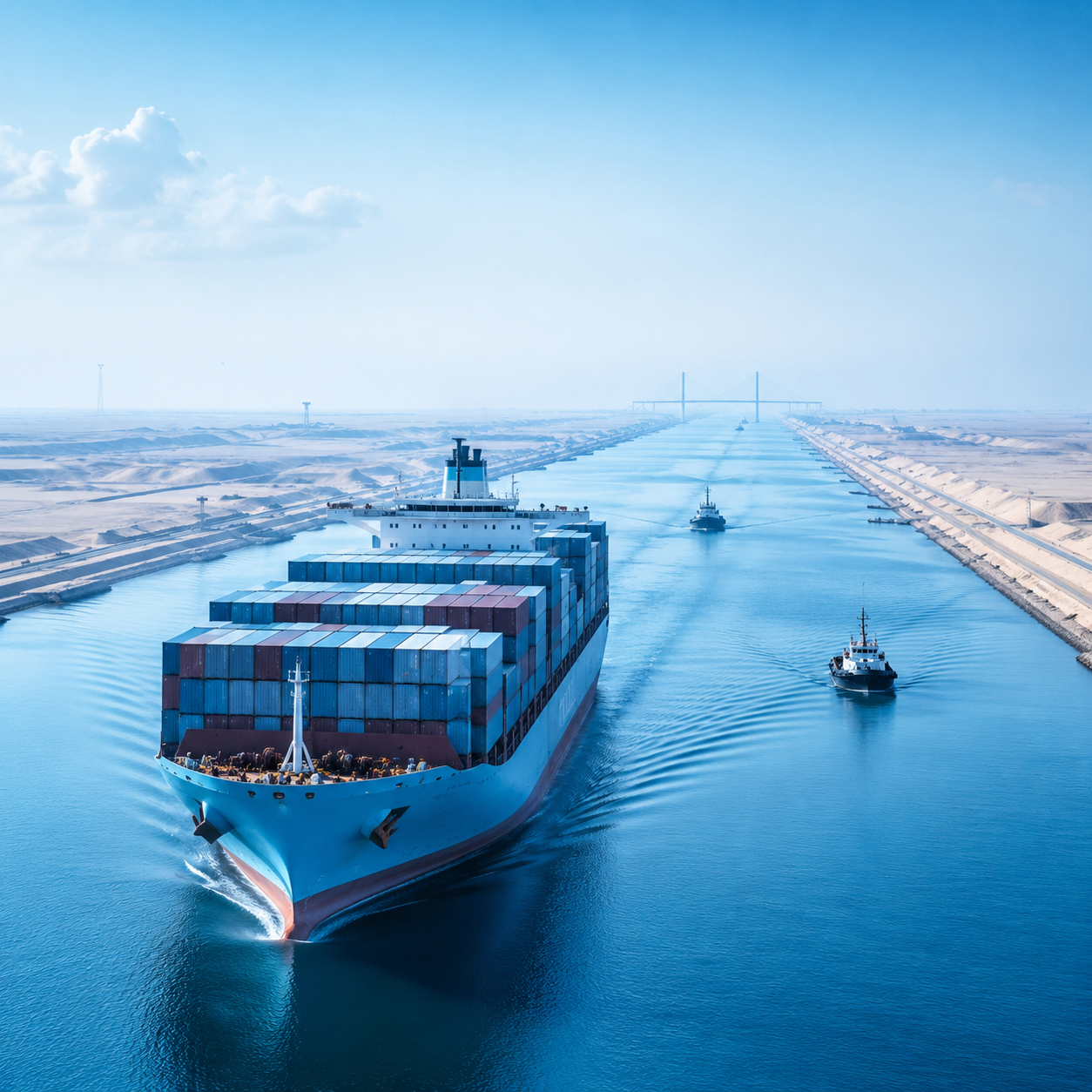
Drought has long since ceased to be a problem affecting only inland waterway transport. Whilst skippers on the Rhine are struggling with historically low water levels, the Panama Canal is also facing bottlenecks. Seagoing vessels are unable to carry as much cargo there, causing queues and surcharges to mount rapidly.
For shippers, this means double the bad news. The drought is reducing capacity on two crucial waterways at the same time: Europe’s most important river and the shortest link between the Atlantic and the Pacific. The result: more ships are needed to carry the same volume of goods, leading to longer transit times and higher transport costs.
Drought limits draught in the Panama Canal
Due to the persistent drought, water levels in the Panama Canal are under pressure. As a result, ships wishing to transit the canal are permitted to have a shallower draught and can therefore carry less cargo. The Panama Canal Authority is tightening the rules further: from 3 September, a maximum draught of 47.5 feet – equivalent to around 14.5 metres – will apply.
Less cargo per ship means that more sailings are needed to transport the same volumes from one ocean to the other. This increases the pressure on available transit slots and leads to growing waiting times at both ends of the canal.
Bypassing the queue costs millions
Just how tight capacity is can be seen from the auctions for vacant transit slots. According to the Bloomberg news agency, an LPG tanker paid no less than $4.6 million last week for a single place in the queue. By way of comparison: in April, the average bid for such a fast-track passage was still around $800,000.
These extra costs do not simply vanish into thin air. They ultimately end up being passed on to shippers: the companies that have their goods transported by ship. Even those who settle for a normal, slower passage are, on balance, paying more than they did a few months ago. You can find the latest developments in freight rates on our sea freight rates page.
Shipowners are passing on dry-dock surcharges
As ships can only pass through the canal when partially loaded, shipowners are losing revenue whilst costs such as fuel oil remain the same. To compensate, they are introducing surcharges. The French container shipping company CMA CGM, the world’s largest, is increasing its so-called Panama Canal Adjustment Factor to $500 per standard container with effect from 10 September. Until that date, a surcharge of $100 remains in force.
To put this into perspective: the largest ships that can pass through the Panama Canal carry around 15,000 containers. For a fully loaded ship, such a surcharge therefore amounts to millions of dollars per voyage. Want to know more about container shipping by sea? Read more on our pages on sea freight and container handling.
Criticism from shippers and analysts
New surcharges invariably meet with resistance. Shippers’ organisations, including Evofenedex in the Netherlands, accuse shipowners of setting surcharges that sometimes yield more than the actual additional costs. That criticism is being voiced once again.
Analyst Simon Heaney of maritime research firm Drewry highlights, in particular, the lack of transparency. According to him, customers receive only a brief notice that a new surcharge is being introduced, without any explanation of exactly what has changed, what the additional costs relate to, or how the amount was calculated.
El Niño as the driving force behind the drought
The low water levels in the Panama Canal are a direct consequence of El Niño, the weather phenomenon caused by a significantly warmed Pacific Ocean, which leads to extreme weather fluctuations every few years. The current episode is unusually intense.
The US government agency NOAA (National Oceanic and Atmospheric Administration) estimates the probability of the strongest El Niño ever recorded occurring this coming autumn and winter at 70 per cent. The probability that the phenomenon will at least fall into the ‘very strong’ category is as high as 90 per cent.
This does not bode well, says Lars Jensen of the Danish maritime consultancy Vespucci. In previous years with a strong or very strong El Niño, the water level in Lake Gatún – the canal’s water reservoir – has always fallen sharply. Jensen therefore expects other shipping companies to quickly follow CMA CGM’s example by introducing their own surcharges.
Lake Gatún: the water reservoir is running dry
Lake Gatún is a large artificial lake created during the construction of the Panama Canal. It replenishes the water lost during transit through the six lock complexes: each passage costs the canal around 200 million litres of fresh water, which flows directly into the ocean.
Due to the drought, the water level in Gatún Lake has been falling for months. According to Independent Commodities Intelligence Services (ICIS), the level is at risk of falling below the ten-year average shortly. This is precisely why the canal authority is further tightening draught restrictions.
The Rhine is also struggling with low water levels
Closer to home, the same problem is playing out. Due to the drought, inland waterway vessels on the Rhine can carry less cargo, meaning more trips are required and costs per tonne are rising. For imports and exports via Rotterdam, this has an immediate impact on the supply chain.
Anyone reliant on waterborne transport would be wise to have alternatives to fall back on. These might include a temporary switch to rail or road transport, or a smart combination with barge transport where water levels permit.
Consequences for importers and exporters
For importers and exporters, the drought primarily means higher and more volatile transport costs. Surcharges may be introduced or increased at short notice, and capacity constraints are affecting transit times and reliability. Anyone with routes via the Panama Canal or the Rhine in their supply chain must take this into account in their planning.
This calls for preparation: requesting rates in good time, comparing multiple routes, checking the validity period of quotations and making clear agreements on incoterms, cut-off times and documentation. It is also worthwhile for those who regularly import goods to explicitly factor surcharges into their cost price calculations.
TOP closely monitors developments regarding drought, water levels, surcharges and shipping routes, and proactively informs customers. Digitalisation helps in this regard: using smart data, AI and online tools – such as those developed by our digital partner HEF Digital – we continuously monitor rates, markets and disruptions.
Drought in figures: the facts at a glance
The key, citable figures from this article, including source:
| Indicator | Value | Source |
|---|---|---|
| Auction price for transit slot (LPG tanker, last week) | $4.6 million (April: average ± $800,000) | Bloomberg |
| Panama Canal Adjustment Factor CMA CGM | $100 now → $500 per container from 10 September | CMA CGM |
| Maximum draught in the Panama Canal from 3 September | 47.5 feet (± 14.5 metres) | Panama Canal Authority |
| Freshwater loss per lock passage | ± 200 million litres | Panama Canal Authority / ICIS |
| Probability of the strongest El Niño on record (autumn/winter) | 70 per cent (probability of a ‘very strong’ event: 90 per cent) | NOAA |
| Capacity of the largest ships passing through the canal | ± 15,000 containers | Container shipping market data |
Frequently asked questions about drought and shipping
Why does drought affect the Panama Canal?
Each lock cycle uses around 200 million litres of fresh water from Lake Gatún. During a drought, this lake is not replenished sufficiently, which limits draught and the number of transits.
How much is CMA CGM’s drought surcharge?
CMA CGM is increasing the Panama Canal Adjustment Factor from 100 to 500 dollars per standard container for shipments via the Panama Canal, effective 10 September.
What can shippers do about drought surcharges?
Request rates in good time, compare alternative routes and modes of transport (rail, road, barge), monitor the validity period of quotations and explicitly factor surcharges into the cost price.
…with every passage through the Panama Canal locks, around 200 million litres of fresh water flows directly into the ocean? Enough to fill 80 Olympic-sized swimming pools – per ship. During a drought, this ‘leak’ is not sufficiently replenished by Lake Gatún.