


Hormuz Toll: Iran unveils a striking plan
Tolls seem to be becoming the new weapon in the Strait of Hormuz. Iranian parliamentarians are seriously considering making ships pay for safe passage through this crucial strait. This may turn one of the world's most important trade routes into a paid passage, with direct implications for oil prices, transport costs and global supply chains.
According to MP Somayeh Rafiei, a bill is being drafted whereby the strait will remain accessible to transport energy and food products for a fee. The idea is simple: those who want to sail through the Strait of Hormuz will pay for safety and passage. In practice, this means a new cost for shipping companies, importers and ultimately consumers.
Tolls directly affect global container flows
The impact of tolls in the Strait of Hormuz is anything but small. About a fifth of all oil and gas for the global market passes through this narrow passage. With a width of about 50 kilometres at its narrowest point, there is little room for alternatives. Once additional costs are imposed, this translates almost immediately into higher rates in logistics.
For container transport, this means one thing above all: uncertainty. Shipping companies have to decide whether to pass on costs, adjust routes or shift capacity. In a market already under pressure from geopolitical tensions, an additional factor such as tolls creates even more volatility. This is ultimately reflected in ocean freight rates and delivery times.
Tolls follow escalation in the region
The plan for tolls does not come out of the blue. Following recent military tensions in the region, with Israel and the United States attacking targets in Iran, Iran largely closed the Strait of Hormuz. Shipping came to a virtual standstill, with the exception of a few ships that were allowed passage after consultations.
This shows how vulnerable this route is. One political decision can directly lead to disruptions on a global scale. Introducing tolls would give Iran a structural means of influencing international trade without having to close the strait completely.
Tolls force logistics to adopt new strategies
The possible introduction of tolls makes it clear that logistics is becoming less and less predictable. Companies need to look not only at tariffs, but also at geopolitical risks, alternative routes and multimodal solutions. Think diversions via other ports or combinations of sea, road and rail transport.
For shippers, this mainly means thinking ahead and having scenarios ready. Because if one thing is clear: what is a plan today may be a reality tomorrow. And in logistics, speed and flexibility still make the difference between delay and on-time delivery.
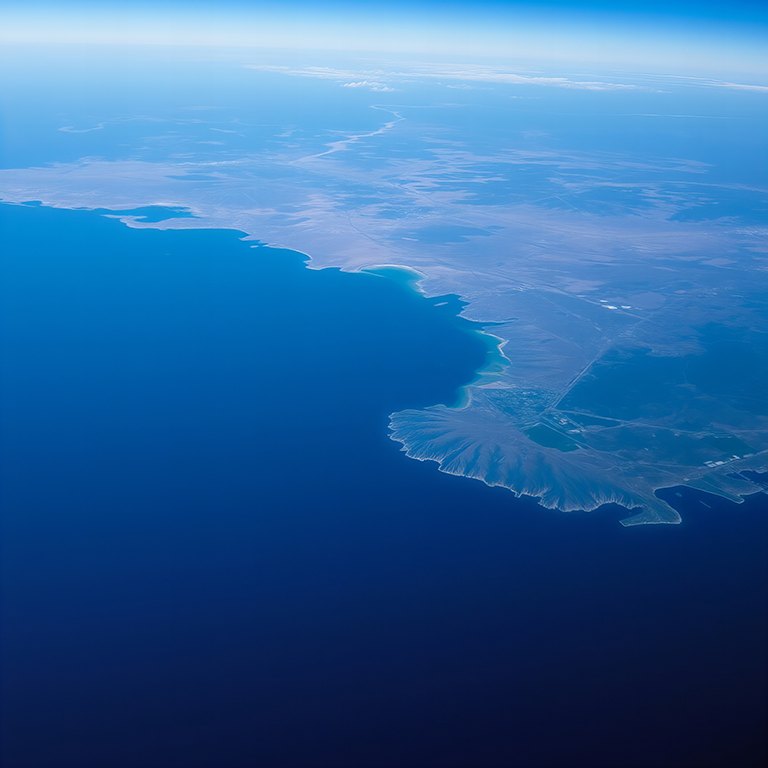
The Strait of Hormuz is one of the most important maritime chokepoints in the world. Disruptions there directly affect global energy prices and container logistics.
Receive our newsletter?
Stay up to date on container volumes, terminal capacity and developments in inland and sea freight. Sign up now: