


MSC subsidiary TiL is building a second container terminal in Dunkirk
TOP MAGAZINE · Sea freight
The port of Dunkirk is expanding with a second container terminal, to be developed and operated by MSC’s subsidiary TiL. The project is set to increase capacity to 2 million TEU per year and will strengthen Dunkirk’s position as a logistics hub in north-western Europe.
MSC at the helm in Dunkirk via TiL
Terminal Investment Limited (TiL), the terminal arm of shipping company MSC, is to develop and operate the new container terminal in the port of Dunkirk. Following a tender process, the Dunkirk Port Authority selected TiL as its partner. The project forms part of the CAP 2020 expansion programme, which aims to make the port a key player in the Northern European container market.
The new terminal will be located next to CMA CGM’s (Terminal Link) existing Flanders Terminal. With this expansion, Dunkirk aims to increase its annual throughput from 850,000 TEU to a total of 2 million TEU. The measures are designed to accommodate the growing container flows from the Hauts-de-France region and to strengthen maritime connectivity.
Construction and financing in detail
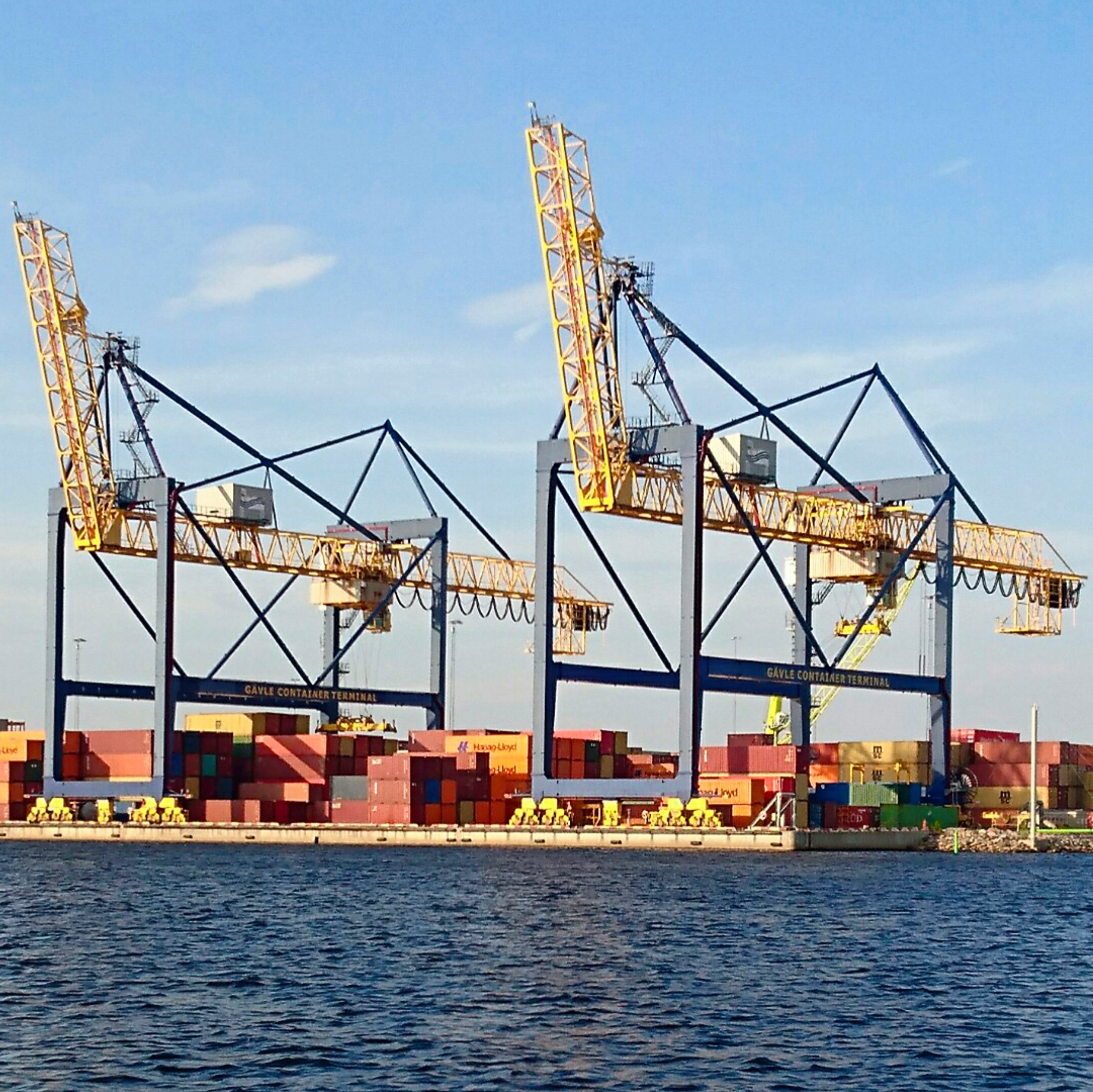
In May 2026, the port commenced construction of a 1,000-metre-long deep-water quay, supplemented by a 170-metre-long jetty with a draught of 17.5 metres. The terminal is scheduled for completion in January 2029. This infrastructure will enable two very large container ships to berth simultaneously, thereby enhancing Dunkirk’s competitiveness.
A mix of French government support, regional funds and loans has been used to finance the project. In 2024, the European Commission approved €127 million in French state aid. In addition, €87 million is being provided through the State-Regional Plan and a long-term loan of €200 million from the Banque des Territoires.
Growth and strategic importance
The recent growth in container throughput at Dunkirk laid the foundations for this investment. In 2025, container traffic rose by 14% to 747,000 TEU, almost reaching the maximum capacity of the existing terminal. Hinterland traffic, in particular, increased sharply, with growth of 20% compared with the previous year.
The arrival of MSC via TiL is seen as a catalyst for improved maritime connections and additional transhipment and import/export flows. Although details regarding the concession, planned investments and services have not yet been published, the port expects the expansion to enable structural growth and strengthen Dunkirk’s market position.
What does this mean for your shipment?
TOP’s interpretation based on the above development.
Planning
Shippers can expect additional capacity in Dunkirk from 2029 onwards. Until then, the existing terminal may be operating close to its capacity limit.
Costs
The larger scale, improved maritime accessibility and competition between terminals may, in the long term, have a positive effect on rates and flexibility for shippers.
Point to note
As details regarding the new terminal’s services, investments and capacity are still lacking, it remains important to monitor the latest information when making operational decisions.
Sources
flows.be — MSC to operate its own terminal in Dunkirk via TiL
WorldCargo News — TiL selected to operate Dunkirk’s second container terminal
Image: TOP archive, for illustrative purposes.