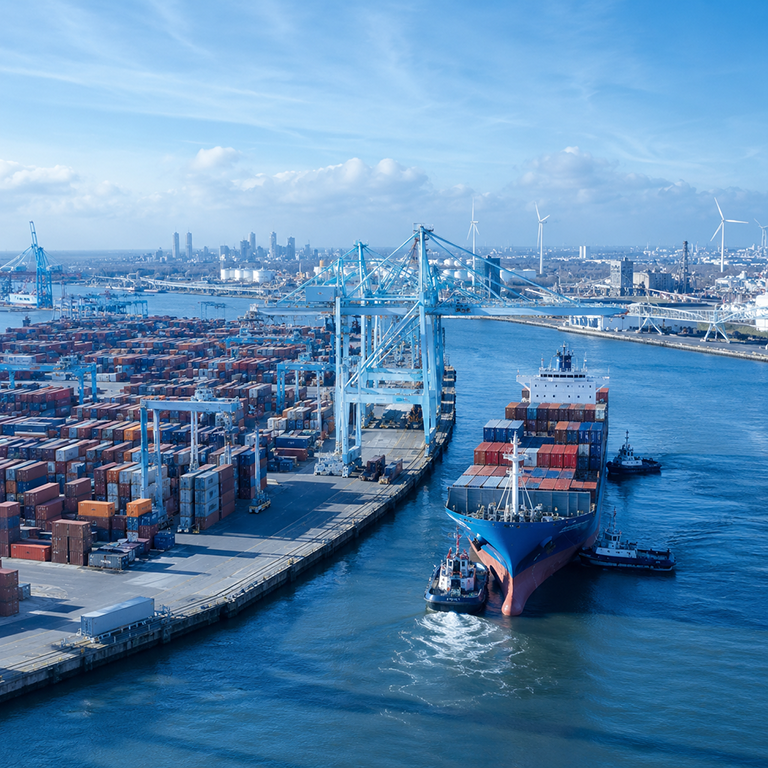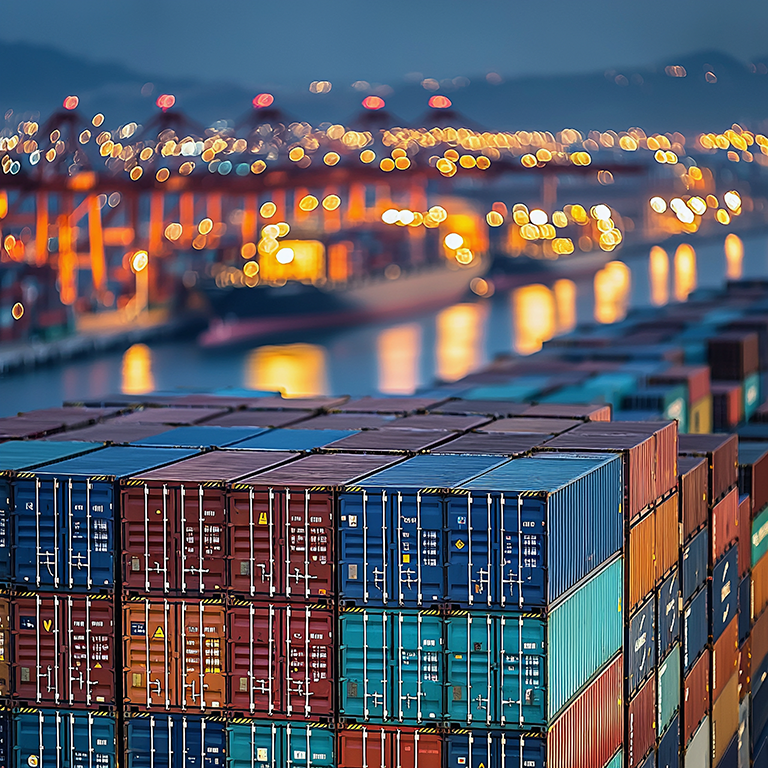




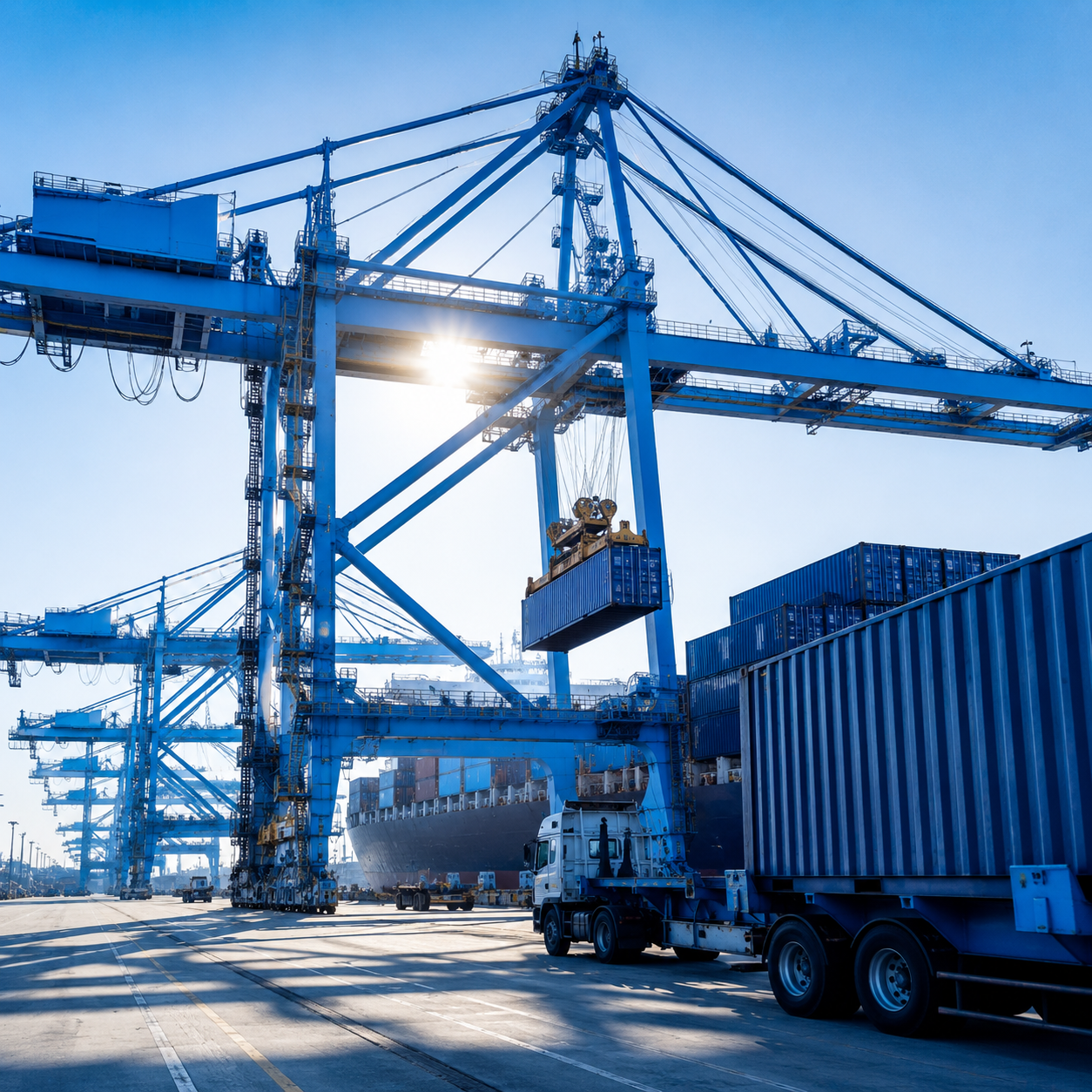
Worldwide, more than 4.3 million TEU of container ship capacity is waiting for a berth in ports. In absolute terms, this exceeds the levels seen during the major disruptions of 2022, reports Transport Online, citing figures from analyst Linerlytica. According to the Rotterdam-based tech company PortXchange, the situation highlights the need for shipping lines, ports, terminals and service providers to share information at an earlier stage in order to minimise delays and unnecessary fuel consumption.
During the disruptions of 2022, waiting capacity peaked at around 4 million TEUs; the current figure of 4.3 million TEUs is therefore higher than that. There is, however, a caveat: the global container fleet has grown since then, meaning that the proportion of the total fleet currently in the queue is smaller than it was at that time. The record is therefore an absolute one, not a relative one.
Storms in East Asia as the direct cause
According to Transport Online, a significant portion of the recent increase is attributed to East Asia, where storms have disrupted the sailing schedules of container ships. PortXchange warns, however, that the congestion should not be viewed solely as a temporary weather-related effect. “It is easy to blame the ports,” says Sjoerd de Jager, managing director and co-founder of PortXchange, but he believes that does not solve the problem.
According to De Jager, a port call depends on decisions made by shipping lines, terminals, pilots, agents and other service providers. If these parties are working with differing information or information received too late, managing disruptions becomes much more difficult. Market researcher Drewry also points to increasing waiting times and a decline in the reliability of sailing schedules, according to PortXchange.
Sailing faster only to end up idling
According to PortXchange, the greatest benefit lies in taking action sooner, as soon as it becomes clear that a ship cannot dock immediately. There is little point in a ship sailing at full speed to a port only to then lie at anchor for hours or days. If information about delays reaches the ship’s bridge early enough, the speed can be adjusted, saving fuel, time and costs.
This effect has been quantified. According to PortXchange, earlier research by the UCL Energy Institute and UMAS showed that better-planned port arrivals, taking congestion and waiting times into account, can reduce emissions from container ships during voyages by an average of around 10 per cent. For other types of vessel, the potential savings are even greater.
No single party can solve congestion on its own
PortXchange emphasises that it makes little sense to hold a single party responsible. Ports have no influence over extreme weather or geopolitical conflicts. Shipping lines cannot create berthing capacity that does not exist, and terminals cannot resolve disruptions across an entire shipping network on their own.
What the parties involved can do, however, is share information and coordinate their planning more effectively. According to De Jager, the sector cannot keep calling for more cargo, faster recovery and lower emissions as long as decisions are based on fragmented information.
Digital collaboration as part of the solution
PortXchange itself develops digital systems for ports and the maritime sector, including EmissionInsider for providing insight into emissions and Synchronizer for sharing planned, expected and actual times of port calls. These systems utilise, amongst other things, artificial intelligence and machine learning. De Jager notes that technology in itself does not create an extra berth or stop a storm, but it does provide people with better information sooner. This trend is increasingly evident across the sector: logistics companies are increasingly collaborating with specialists in data and digitalisation to support decisions earlier and more effectively.
Consequences for importers and exporters
For shippers, port congestion translates into longer and, above all, less predictable lead times. A ship waiting off the coast for days delays arrivals, onward transport and delivery schedules. The lesson to be learnt from this news also applies to one’s own supply chain: the sooner information about delays is shared, the less damage is caused. TOP therefore keeps arrival and departure times up to date and transparent via the TOP platform, and customers can receive this information directly into their own systems via API integrations.
Practical advice: when shipping via busy ports, allow for delays and only finalise onward transport arrangements once the arrival time is confirmed. Clear agreements on container handling also prevent unnecessary costs for storage or late container returns. And for those prioritising sustainability: less waiting time directly translates to lower fuel consumption, and therefore lower CO₂ emissions throughout the supply chain.
…better-planned port arrivals can reduce the emissions of container ships during voyages by an average of around 10 per cent? This was calculated by the UCL Energy Institute and UMAS, according to PortXchange; for other types of vessel, the potential savings are even greater.