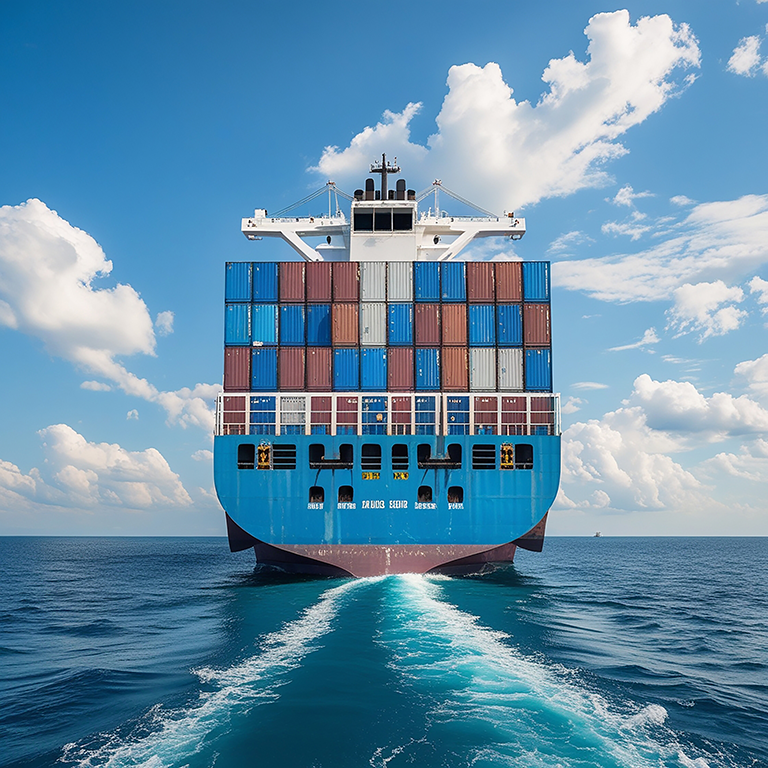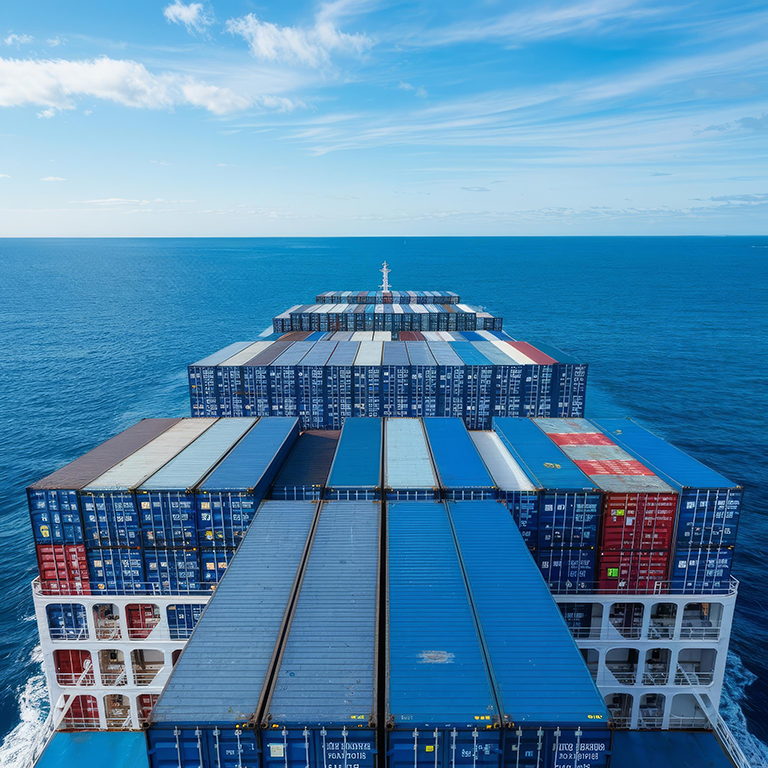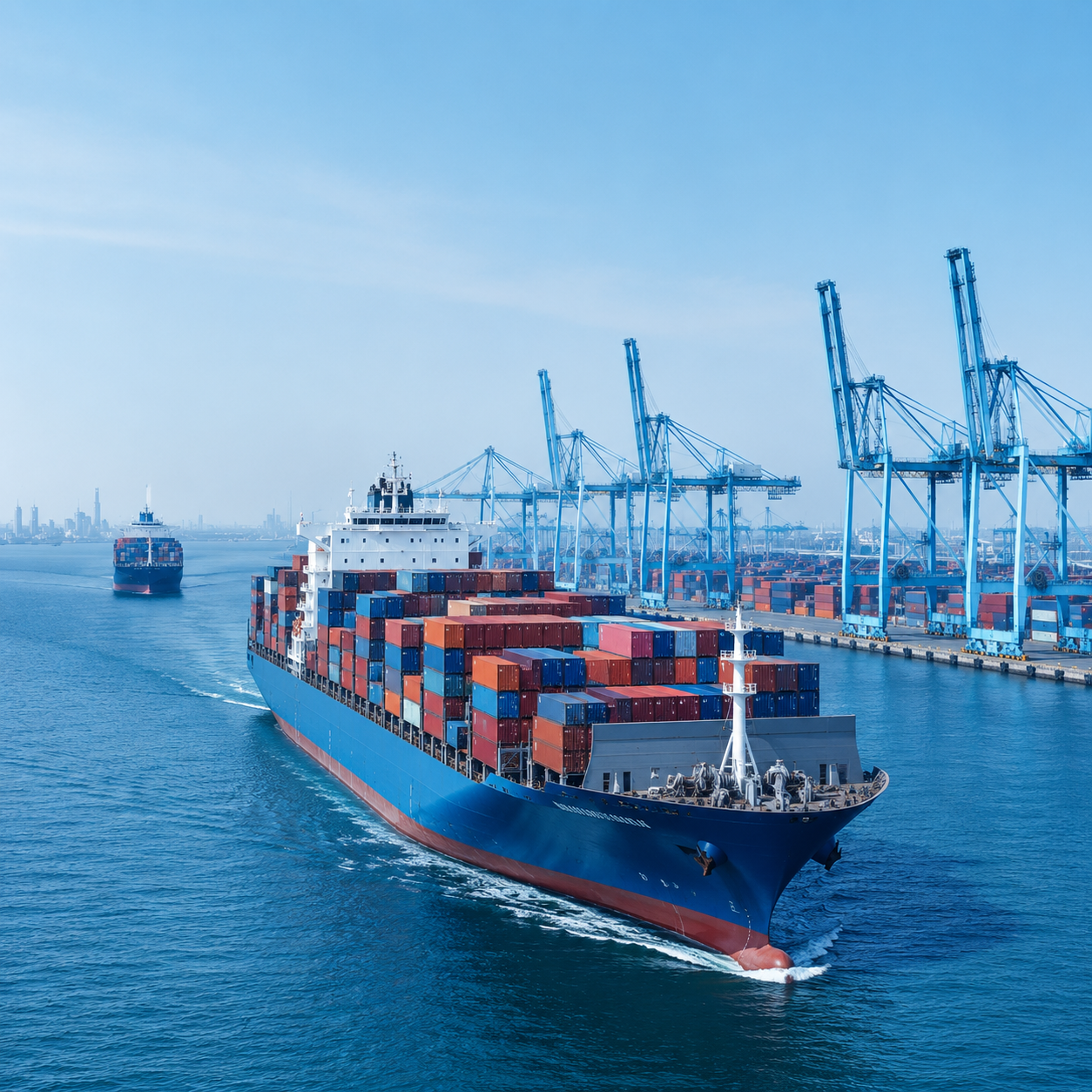




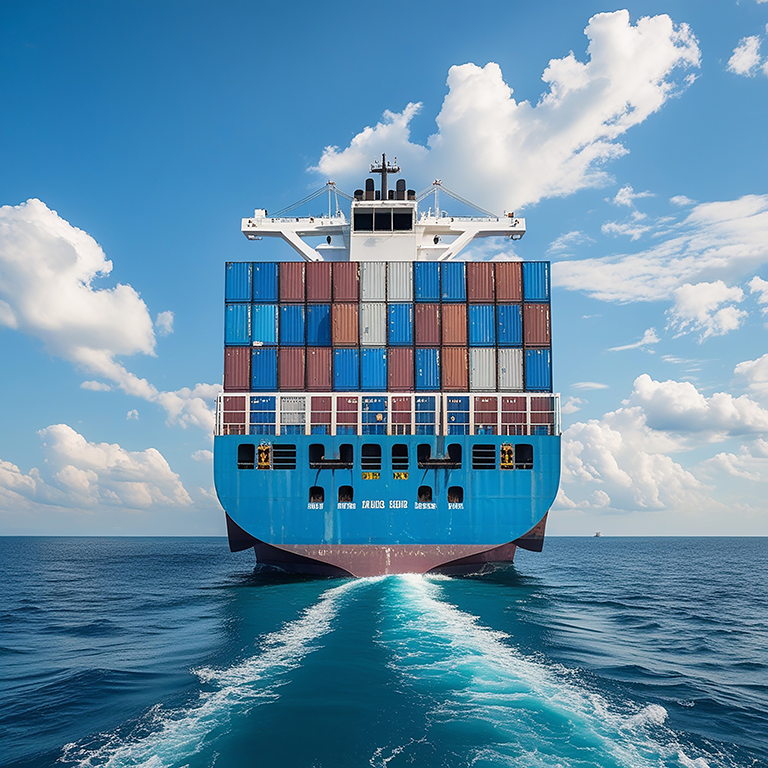
Sea freight rates from Asia have almost doubled in a short space of time. Importers shipping goods from China and other Asian ports to Europe are therefore once again facing significant cost increases.
According to a report by FashionUnited, based on data from the logistics platform Cargoplot, spot rates for sea freight between Asia and Europe have almost doubled in the space of thirty days. The average container rate per TEU rose from a maximum of $2,416 in May to $4,440 in June.
Sea freight rates are rising due to reroutes and capacity shortages
The rise in sea freight rates is mainly caused by geopolitical tensions and disruptions on key shipping routes. Due to the ongoing unrest around the Red Sea, many shipping lines continue to divert via the Cape of Good Hope. This longer route requires extra time, fuel and vessel capacity.
When ships are at sea for longer, they return to Asia later for new sailings. This creates a shortage of available space, containers and sailing schedules. Shipping lines are responding to this with higher rates and additional surcharges, including Peak Season Surcharges and fuel surcharges.
For importers, this means that sea freight rates are not only higher but also less predictable. Quotations may be valid for shorter periods, and surcharges may vary by shipping line, route and week of departure. Further information on current market developments can be found on the sea freight rates page.
Fashion industry feels the impact of higher sea freight rates immediately
The rise is affecting the fashion industry, amongst others. During this period, many retailers are shipping their autumn and winter collections from China and other Asian manufacturing countries to Europe. It is precisely at this time that higher sea freight rates are putting pressure on purchasing margins.
For clothing, footwear, accessories and seasonal collections, delivery times and costs are crucial. When transport costs rise suddenly, it becomes more difficult to balance retail prices, margins and stock planning. Not all additional costs can simply be passed on to consumers.
This problem also affects sectors outside the fashion industry. Importers of consumer goods, machinery, spare parts, packaging and commercial products are likewise facing higher sea freight rates. Companies with small margins or fixed retail prices are particularly quick to feel the impact of the rise.
Surcharges continue to rise
In addition to higher base rates, shipping lines are passing on extra surcharges. According to reports, fuel surcharges can amount to as much as $600 per container. Early seasonal surcharges are also a factor, as shipping lines anticipate peak periods, route disruptions and limited capacity.
For businesses, it is important not to look solely at the base rate when it comes to sea freight. The total costs consist of several components, such as sea freight, local costs, surcharges, documentation costs, terminal charges, any storage fees and onward transport.
As a result, a competitive rate may in practice turn out to be more expensive if surcharges have not been clearly factored in. Clear agreements regarding validity, departure date, route and included costs are therefore becoming increasingly important. Read more about requesting quotes and sea freight.
Importers must monitor margins more closely
Logistics experts advise importers to monitor margins more closely at source. This means that companies need to review their purchasing agreements, delivery terms, transport costs and stock levels. Particularly when importing from China, small differences in agreements can have major consequences for the final cost price.
Stricter agreements with suppliers can help to offset some of the increase. These might include clear agreements on Incoterms, packaging volumes, loading schedules, consolidation, cut-off times and payment dates. With rising sea freight rates, every link in the chain counts.
It is also advisable for importers to consider alternative departure weeks or routes. Sometimes a different sailing, a different port or a combined solution can help to better manage costs and risks. Further information can be found on the pages about importing, Incoterms and container handling.
Asia–Europe remains a vulnerable trade route
The route between Asia and Europe remains susceptible to disruptions. Problems in the Red Sea, the Suez Canal, ports, terminals or hinterland connections can quickly affect capacity and rates. As a result, sea freight rates remain heavily dependent on geopolitical developments and the operational flexibility of shipping lines.
This poses a risk for companies with fixed delivery times. If a container departs later than scheduled or is delayed en route, this can have consequences for production, sales campaigns, high-street shops, online shops and customer commitments. The price rise therefore affects not only the transport department, but also procurement, finance and sales.
Sea freight rates are therefore an important indicator of the pressure on international supply chains. A doubling in a short space of time shows that markets can turn on a dime when risks, demand and capacity converge.
Planning ahead remains essential
For importers from Asia, forward planning remains essential. Those who book too late run a greater risk of higher rates, limited space or less favourable sailing schedules. At the same time, purchasing too early can lead to higher stock costs and additional capital tied up.
The best approach depends on the product group, margin, delivery pressure and destination. For some shipments, consolidation may be an attractive option. For other goods, a faster solution via air freight or a multimodal route may be temporarily useful, despite higher costs.
TOP closely monitors developments in sea freight rates, surcharges and capacity on the Asia–Europe routes. It remains important for customers to request quotes in good time, compare routes and take additional costs into account. Read more about air freight and multimodal transport.
…sea freight rates are often influenced by more than just supply and demand? Scheduled changes, fuel costs, surcharges, port congestion and geopolitical risks can also significantly affect the final rate.