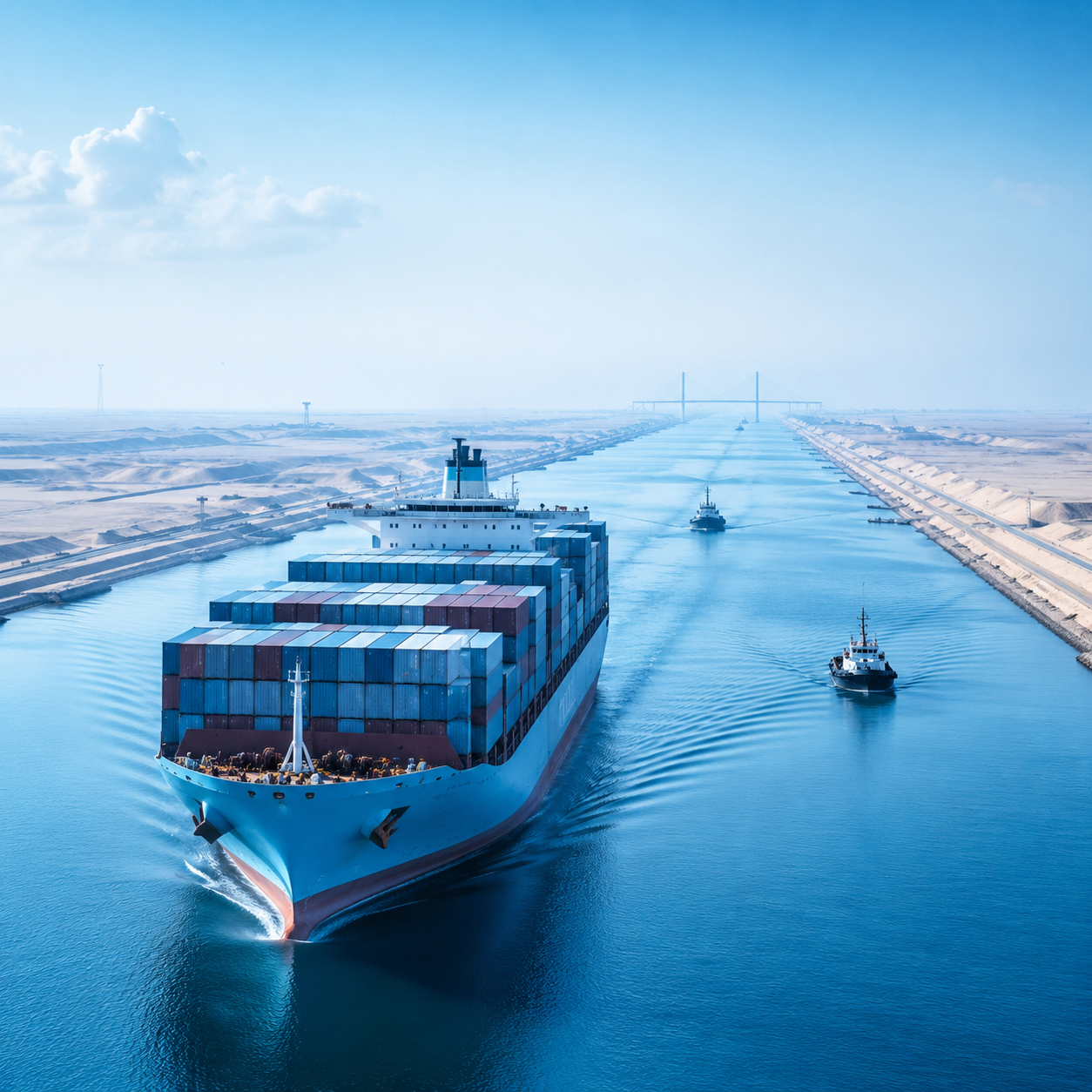




The range of special surcharges in the container shipping industry is being expanded once again. MSC, the world’s largest container shipping line, is introducing a Piracy Risk Surcharge due to the risk of piracy around the Arabian Peninsula, reports Nieuwsblad Transport. In addition, the shipping line’s European customers will face a Panama Canal surcharge.
MSC has not yet widely publicised the amount, effective date or exact sailing areas covered by both surcharges; Nieuwsblad Transport broke the news on 4 September. The trend is clear, however: shipping lines are increasingly passing on the costs of high-risk areas and bottlenecks in the shipping network to their customers via separate, specifically named surcharges, on top of the base rate.
Why a piracy surcharge?
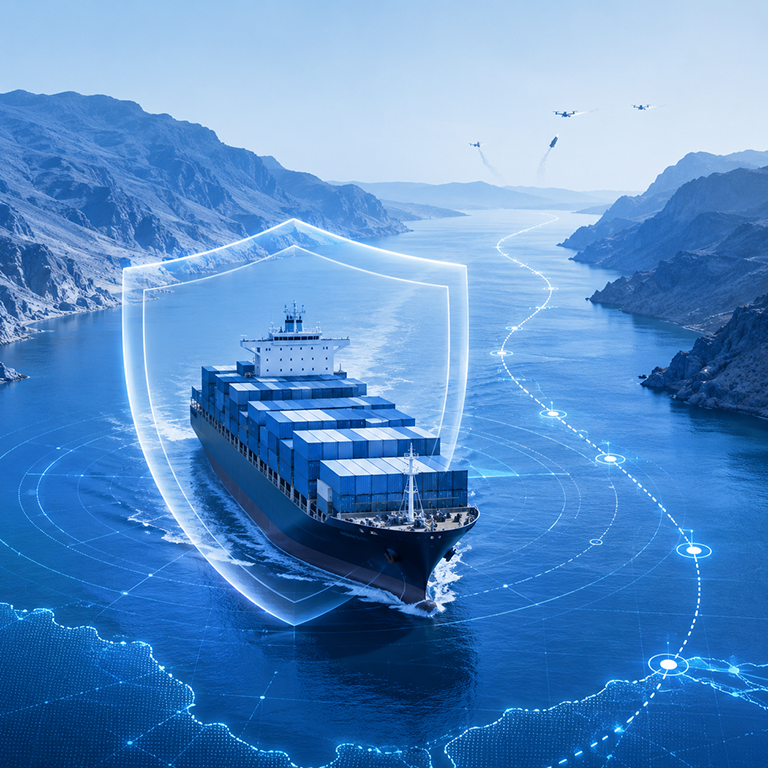
The Piracy Risk Surcharge is linked to the deteriorating security situation around the Arabian Peninsula, including the waters around the Gulf of Aden and Somalia. TOP reported back in late August that Somali pirates had hijacked six merchant ships since April, whilst naval vessels are being redeployed to the Middle East due to the conflict surrounding Iran, leaving the anti-piracy mission Atalanta short of capacity.
For shipping companies, this means higher costs for insurance, on-board security and, where necessary, rerouting. By introducing a separate surcharge, MSC is making these costs explicit and passing them on to the cargo passing through the high-risk area.
The Panama Canal surcharge does not come out of the blue
The Panama Canal surcharge also fits into a broader pattern. Due to persistent drought, the canal is facing draught restrictions, meaning ships can carry less cargo and costs per container are rising. Competitor CMA CGM had previously announced that it would increase its Panama Canal Adjustment Factor to $500 per standard container with effect from 10 September, as reported by TOP in August, citing the shipping line itself.
The fact that MSC is now following suit with its own canal surcharge for European customers confirms market analysts’ expectation that shipping lines will quickly copy each other’s surcharges as soon as a bottleneck becomes structural.
The list of surcharges is getting longer and longer
The new surcharges are being added to an already extensive list. Since the outbreak of the conflict involving Iran, major shipping lines have introduced war surcharges that can run into thousands of dollars per container, whilst fuel surcharges and levies for the European Emissions Trading Scheme are also in force. Insurance premiums for high-risk areas such as the Red Sea have also skyrocketed, as TOP reported earlier this year.
It is impossible to predict how many more surcharges will be added. To put it in context: as long as geopolitical risks, climate impacts and regulations continue to mount up, it stands to reason that shipping companies will apply their own surcharge to every new bottleneck. As a result, the base rate is becoming an increasingly poor indicator of the actual cost of shipping.
Are all these surcharges justified?
Opinions differ on this, and the honest answer is: it depends on the surcharge. On the one hand, the underlying costs are real. Insurers charge higher premiums for high-risk areas; security and detour costs money; and a ship sailing half-loaded due to draught restrictions earns less whilst costs continue to mount.
On the other hand, there is structural criticism of the justifications. Shippers’ organisations – including Evofenedex in the Netherlands – accuse shipping lines of setting surcharges that sometimes yield more than the actual additional costs, whilst analysts such as Simon Heaney of Drewry point to the lack of transparency: customers receive a brief notice, rarely a calculation, as TOP previously noted. For shippers, the lesson is that a surcharge is not a natural phenomenon, but a price component that is open to scrutiny.
Consequences for importers and exporters
In practical terms, this news means that the total price of a container is becoming more volatile: between the quotation and shipment, a surcharge may be added or may change. You should therefore request a quotation in good time, check the validity period and ask explicitly which surcharges are included. Who then ends up footing the bill? That depends on the delivery terms: the Incoterms determine whether the buyer or the seller bears the freight costs and, consequently, the surcharges.
For shipments through high-risk areas, it is also worth reviewing your transport insurance cover; insurers, too, adjust their terms and premiums to reflect the current situation. If you’re unsure which route, shipping line or cost structure is most favourable for your goods flow, feel free to ask for advice. TOP compares shipping lines and surcharges per consignment and calculates the actual total price in advance.
…virtually every surcharge in container shipping has its own name and abbreviation? MSC’s new Piracy Risk Surcharge joins well-known examples such as the bunker adjustment factor (BAF), war surcharges and canal surcharges. As a result, an invoice may list several surcharges alongside the base rate.