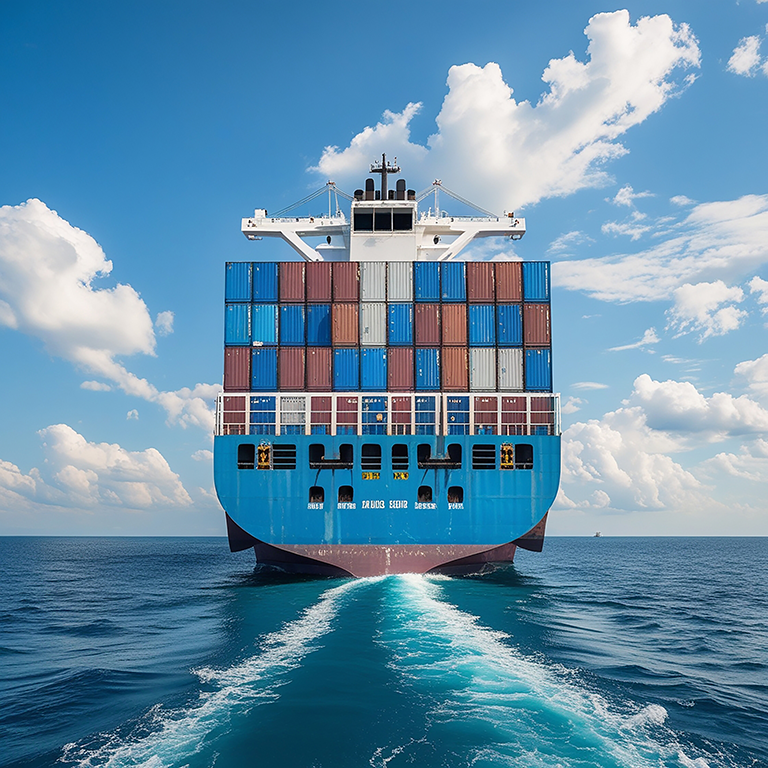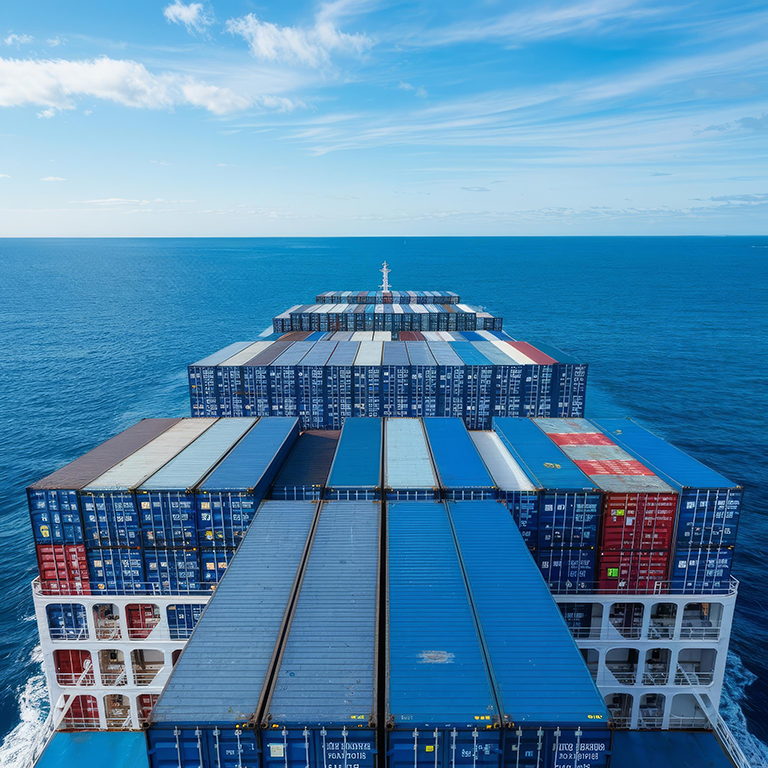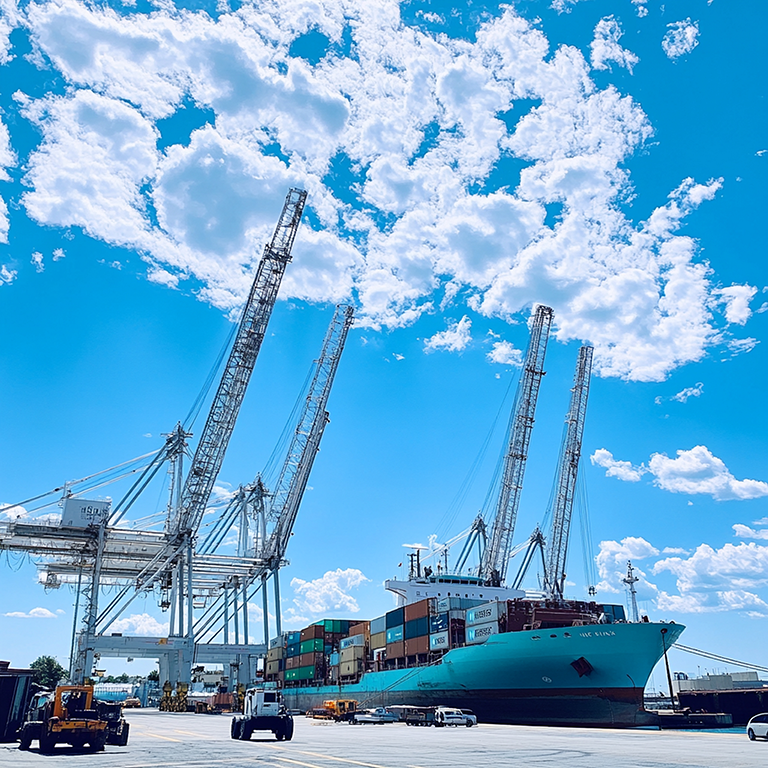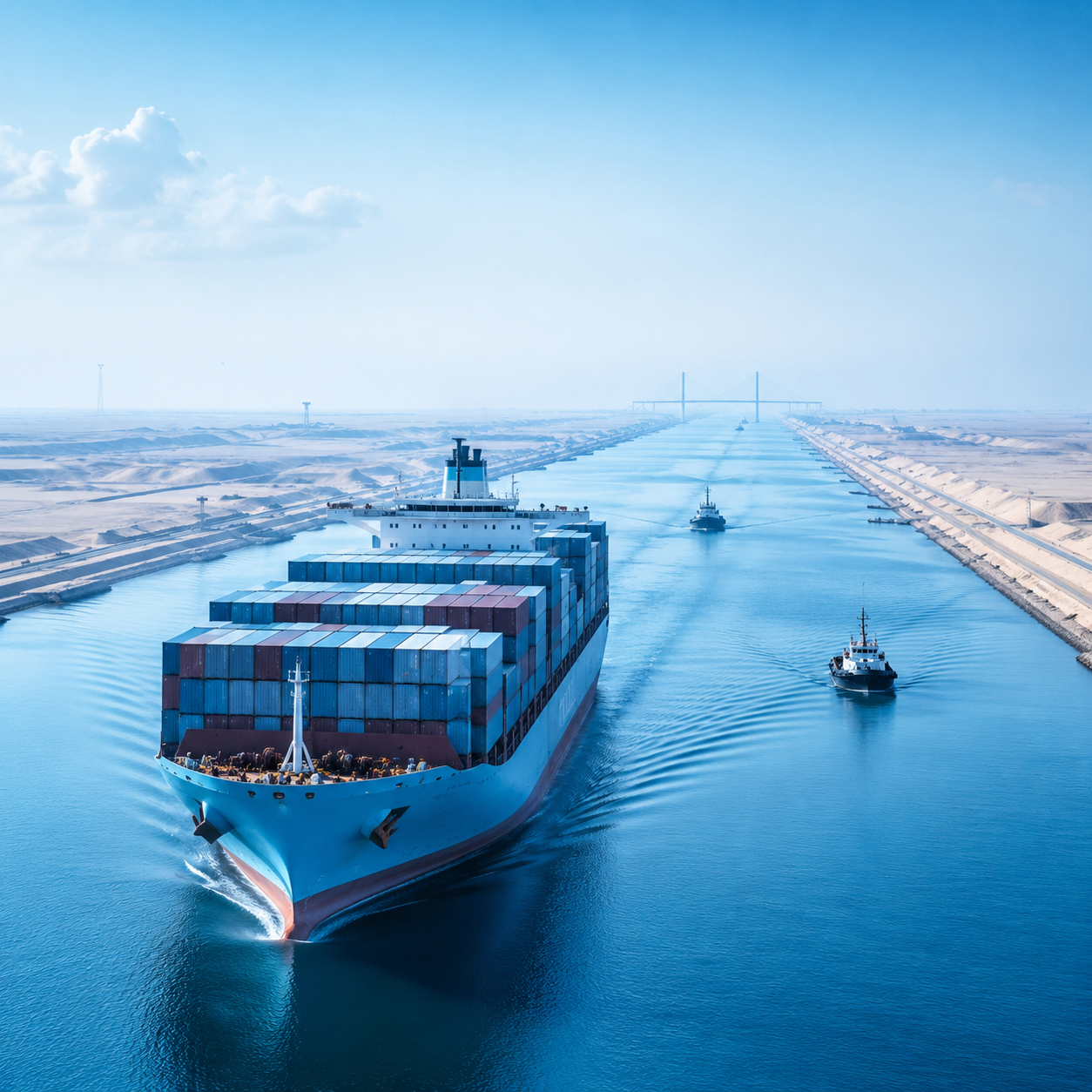




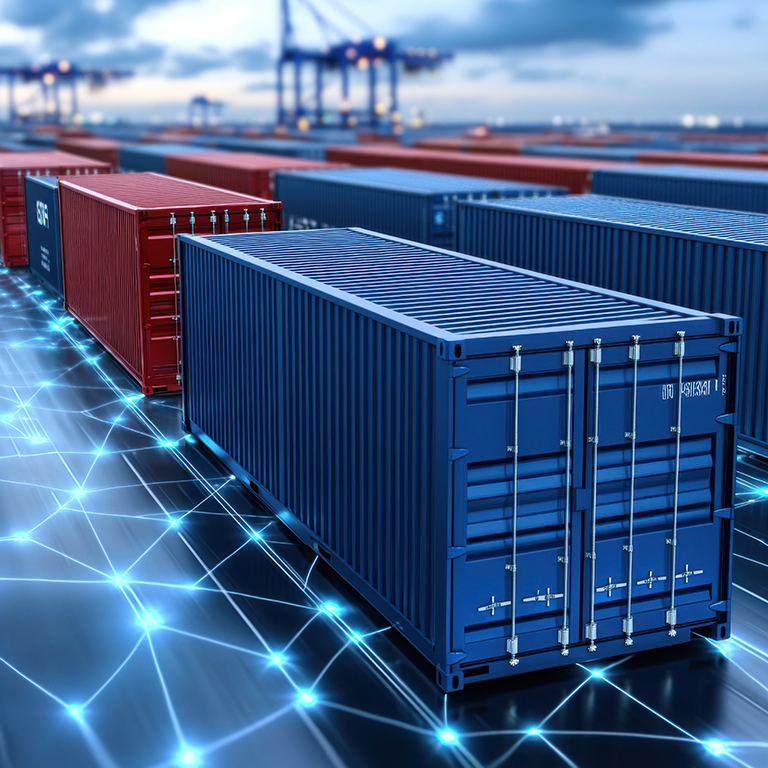
Container imports into the United States rose sharply in July. US ports handled around 2.5 million TEU, the fourth-highest July volume ever recorded. Importers rushed to bring forward shipments en masse to stay ahead of new import tariffs.
This is according to figures from supply chain data provider Descartes Systems Group. Compared with June, the number of imported containers rose by 4.5 per cent. The rush once again demonstrates how strongly trade policy influences shippers’ behaviour: those anticipating a tariff increase prefer to have their containers shipped a month earlier.
Importers are bringing forward shipments en masse
The main driver behind the July peak was uncertainty over US trade policy. At the end of July, the 10 per cent global tariffs under Section 122 expired. These were replaced by new duties of up to 12.5 per cent on imports from sixty countries. Many companies wanted to have their goods in before the new rules came into force.
This so-called ‘front-loading’ has now become a familiar pattern in the container shipping industry. As soon as a deadline for tariff changes approaches, importers bring forward their orders. This drives up volumes, puts pressure on capacity and feeds through into freight rates on the major shipping routes.
European shippers are also noticing this dynamic, as the trans-Pacific and Asia-Europe routes are competing for the same vessels and the same containers. Further information on current market developments can be found on the sea freight rates page.
Fourth-highest July volume on record, but still below the record year
However impressive the figures may be, they still fall short of last year’s near-record level. In July 2025, US container imports totalled just over 2.6 million TEU. Compared with that month, this year’s volume fell by 4.3 per cent.
Over the first seven months of 2026, total imports are 0.9 per cent lower than in the same period last year. At the same time, volumes remain well above pre-pandemic levels. The container market is therefore still running at full speed, albeit less intensely than during the peak periods of 2025.
Analysts also warn that a single strong month can distort the underlying picture. A container arriving in July does not necessarily need to be shipped again in September. Front-loading often results in a mirror image a few months later, in the form of falling volumes.
China remains the largest supplier of containers
China’s role is particularly striking. Imports of Chinese containers rose to 873,129 TEU in July, the highest monthly volume in a year. Despite all the tariffs on Chinese products, China remains by far the largest supplier of containers to the United States.
Major retailers play a key role in this. Chains such as Walmart, Amazon and Home Depot together account for around half of all US container imports. They stock up during the summer in preparation for the back-to-school season and the festive period, and bring their orders forward as soon as tariff changes loom.
This is relevant for Dutch and European companies sourcing goods from Asia: when US importers claim capacity en masse, shipping space becomes scarcer worldwide. Read more about sea freight and importing.
Early peak shifts the high season
The traditional peak season in container shipping, linked to the import of autumn and festive season goods, is starting earlier and earlier and lasting longer and longer. Shippers have structurally adjusted their planning following a series of disruptions in the supply chain.
These disruptions range from the COVID-19 pandemic and the conflict surrounding Iran to rapidly changing US tariff policies. Anyone who placed orders too late in recent years faced full ships, high spot rates and delays. Booking early has therefore become the norm for many companies.
As a result, the traditional peak in August and September is levelling off, whilst spring and early summer are becoming busier. For importers’ planning, this means that capacity and rates are coming under pressure at different times of the year than before.
Trade climate remains turbulent
Descartes emphasises that the broader trade environment remains turbulent. The company highlights increased risks around the Strait of Hormuz, changing US tariff measures, stricter draught restrictions in the Panama Canal and ongoing disruptions in the Red Sea.
All these factors influence freight costs, route choices and sourcing strategies. Shipping lines are rerouting, adjusting their networks and passing on surcharges. For shippers, this means that transit times and costs per route can vary significantly and change rapidly.
Data and digitalisation are therefore becoming increasingly important in logistics. Companies with real-time insight into volumes, rates and disruptions can adapt more quickly. The sector is also becoming more professional in the areas of online visibility, AI and smart marketing; agencies such as HEF Digital are helping logistics companies to get their digital strategy in order.
Forecast: a slowdown in container volumes in the autumn
Following the July peak, a slowdown seems inevitable. The US retail federation NRF expects an import volume of around 2.22 million TEU for August, a year-on-year decline of 4.5 per cent. A fall of 5.7 per cent is forecast for September, to around 1.99 million TEU.
The authors of the Global Port Tracker also anticipate falling volumes for October and November. After all, the goods that would normally arrive in the autumn are already in US warehouses. Bringing forward shipments has simply shifted the demand curve.
For the freight rate market, this could go either way. Lower demand usually means falling spot rates, but shipping lines may respond by withdrawing capacity from the market. As a result, the container market remains volatile and difficult to predict.
Implications for importers and exporters
For importers and exporters, these figures highlight just how directly trade policy affects the container market. Rate changes drive volumes, volumes drive rates, and rates ultimately determine the cost price of products on the shelves.
This calls for thorough preparation. Companies would be well advised to request rates in good time, compare multiple routes and take into account surcharges and changing transit times. Clear agreements on Incoterms, cut-off times and documentation also help to avoid surprises.
TOP closely monitors developments regarding container volumes, rate adjustments, capacity and shipping routes. For customers, it remains important to act promptly and tailor transport choices to costs, reliability and the desired transit time. Read more about requesting rates, Incoterms and container handling.
…one TEU stands for Twenty-foot Equivalent Unit, i.e. one twenty-foot container? The 2.5 million TEUs handled by US ports in July, if laid end to end, would stretch for over 15,000 kilometres – roughly the distance from Rotterdam to Shanghai and back.