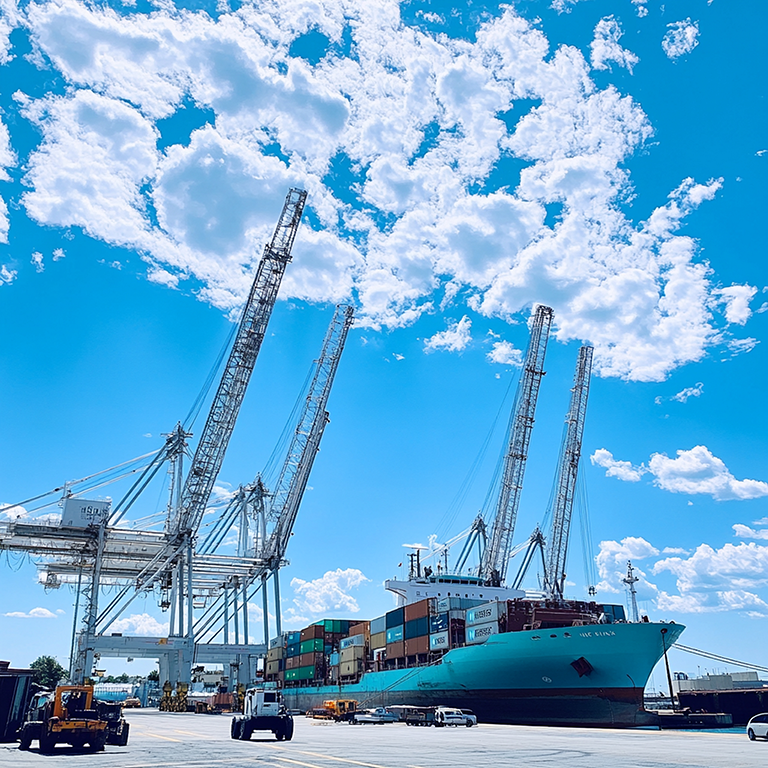




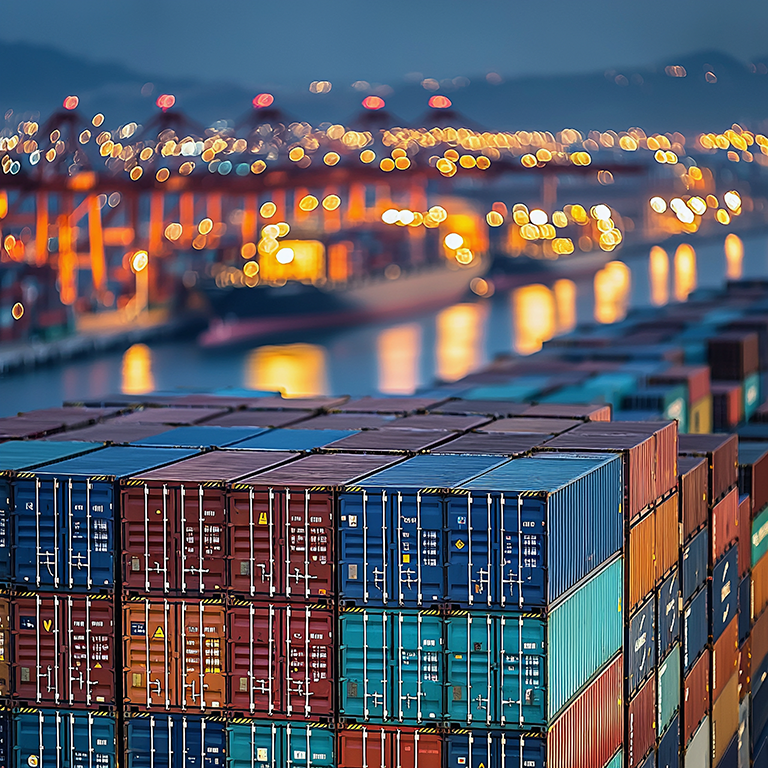
The world’s two largest container ports, Shanghai and Ningbo, are still grappling with severe congestion following the series of typhoons that led to numerous terminal closures over the summer. Container ships have to wait up to twelve days at the two Chinese mega-ports before they can dock, according to the Singapore-based analyst Linerlytica, as reported by Nieuwsblad Transport. The congestion is expected to continue until after the Chinese Golden Week.
In practical terms, for shippers this means that ships are packed to the brim and cargo arrives later than planned. The waiting times of up to twelve days are in addition to the regular sailing time from Asia to Europe. Anyone importing from China in the coming weeks must factor in delays when planning — both on departure from China and as the delays ripple through the rest of the supply chain.
Hurricanes brought terminals to a standstill
According to *Nieuwsblad Transport*, the cause of the congestion lies in the series of typhoons that struck China this summer. As a result, terminals in the region were forced to close repeatedly. Each closure creates a backlog of waiting ships and containers, which is only slowly cleared once operations resume. For ports of the calibre of Shanghai and Ningbo — jointly ranked number one and two in the world — every day lost has a significant impact.
What is Golden Week?
Golden Week is the Chinese national holiday week in early October, during which factories and offices in China largely shut down. In the logistics sector, this week traditionally has a twofold effect: in the weeks leading up to it, shippers try to get as much cargo out of the country as possible, after which volumes plummet during the holiday week itself. This year, that export peak coincides with existing congestion, putting extra pressure on the terminals and meaning ships remain full until after the holiday week.
Shipping lines adjust their sailing schedules around the holiday week
Shipping lines usually respond to the dip in demand around Golden Week with so-called ‘blank sailings’: cancelled sailings. Last year, for example, MSC cancelled four sailings from China to Northern Europe around the holiday week, including two to Antwerp, as reported by the Belgian trade publication Flows in September 2025. Whether, and to what extent, shipping lines will cancel sailings this year is not yet clear from the available source material, but the pattern from previous years makes it clear that capacity around Golden Week generally shrinks.
Impact on European ports
Some clarification is needed here. Congestion on one side of a shipping route almost always has knock-on effects on the other side. Ships that are held up for days off Shanghai or Ningbo arrive later and often in bunched-up convoys at European ports, which can in turn cause peak congestion there. Rotterdam has, moreover, been grappling with its own congestion problems for some time now in terms of handling shipments to the hinterland. The combination of delayed, fully laden ships and already limited terminal capacity will require extra vigilance in planning over the coming months.
Implications for importers and exporters
The key message for shippers is simple: expect cargo from China to arrive later than planned, and for this to continue until after Golden Week. Anyone importing for the autumn and festive season would be well advised to plan orders and shipments with more flexibility and to bring forward critical shipments where possible. When it comes to container handling at the port of arrival, be prepared for concentrated peaks.
TOP provides continuous visibility of waiting times and arrival times via the TOP platform, so you can spot delays early on and make timely adjustments. If you’re unsure what the congestion in China means for your specific shipments or delivery times, please request tailored advice.
the Port of Ningbo is already preparing for container ships of 32,000 TEU? By way of comparison, the largest ships currently in service remain well below that figure. Ever-larger ships also mean ever-greater peak loads on terminals — one of the underlying causes of congestion.