




The Houthis in Yemen have captured the strategic port city of Mocha on the Red Sea from pro-government forces backed by Saudi Arabia. This is according to military sources and witnesses speaking to BBC News. With the capture of Mocha, the Iran-backed movement is now just 75 kilometres from the Strait of Bab al-Mandab, the southern gateway to the trade route between Asia and Europe.
The capture is part of an offensive launched by the Houthis a week ago in south-western Yemen. According to reports, hundreds of people have been killed and thousands displaced as a result. The escalation of the conflict between the Houthis, the Yemeni government and Saudi Arabia has contributed to a sharp rise in oil prices.
75 kilometres from Bab al-Mandab
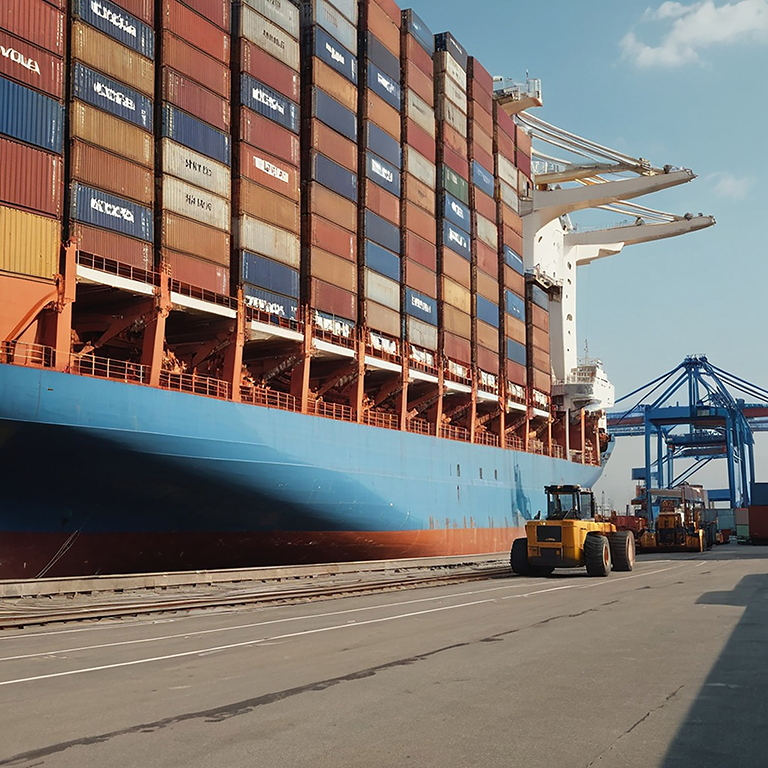
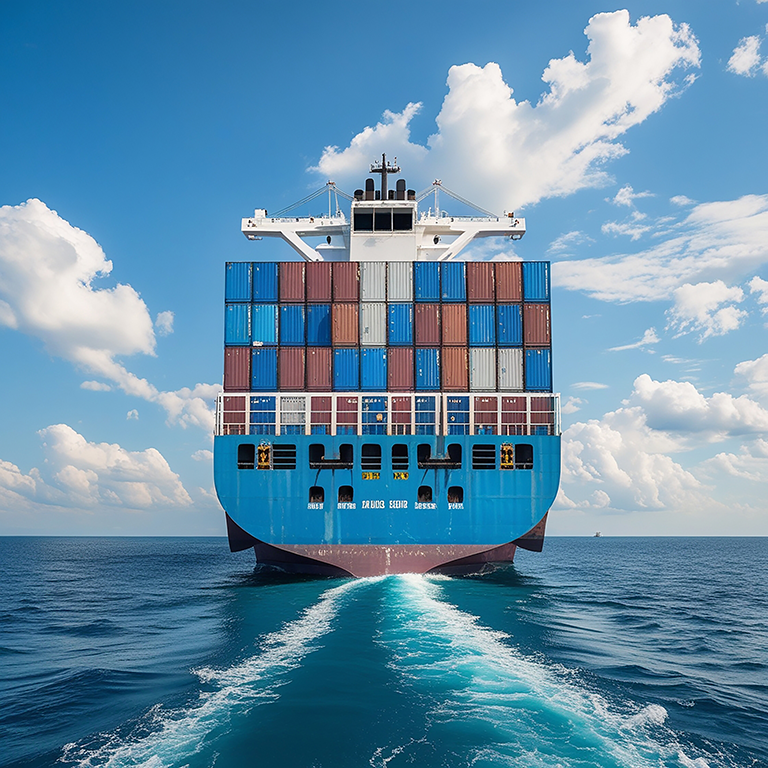
Mokha’s strategic value lies in its location. Bab al-Mandab, the narrow strait between Yemen and the Horn of Africa, is the southern gateway to the Red Sea and thus to the Suez Canal — the shortest maritime route between Asia and Europe. Any shift in the balance of power along that corridor directly affects one of the world’s most important trade routes, which shipping companies have already been approaching with great caution since late 2023.
Houthis pose a threat to Saudi ships
Following the seizure, the Houthis stated that they posed no threat to international shipping. At the same time, they reiterated their threat to attack ships from Saudi Arabia. That threat carries considerable weight: Saudi Arabia has been reliant on the Red Sea for its oil exports ever since the war waged by the United States and Israel effectively closed the Strait of Hormuz. The Red Sea ports that served as alternatives are now within the range of the group threatening to strike them.
Offensive claims hundreds of lives
According to residents of Mocha, Houthi fighters entered the city on Wednesday evening following fierce fighting with pro-government troops, after which many families fled their homes. Meanwhile, a Saudi-led coalition is carrying out air strikes on Houthi-held areas in western Yemen in support of government forces. The Houthis are responding with rocket and drone attacks on towns and oil facilities in southern Saudi Arabia.
Oil prices continue to rise
The escalation in Yemen comes on top of existing disruptions in the Strait of Hormuz and, according to BBC News, is leading to rising oil prices. For the shipping industry, more expensive oil also means more expensive bunker fuel, a cost that shipping companies usually pass on to their customers via surcharges.
Consequences for importers and exporters
The analysis is clear, and this is a strong indication: the conflict is becoming more intense, and as a result, the costs of sea freight are expected to rise further. Experience in recent years shows that insurers already factor in the risk of war in the Red Sea as soon as the threat increases — even before any ships are actually hit. Higher premiums, fuel surcharges and longer alternative routes are then passed on in the rates. You should therefore check the cover provided by your cargo insurance for shipments passing through the region.
Please also bear in mind that quotations in volatile markets change more quickly and are valid for shorter periods: request rates in good time for shipments in the coming weeks. If you are unsure whether your routes, contracts or delivery arrangements can withstand further escalation, TOP would be happy to advise you via a request for advice.
the port city of Mocha gave its name to mocha coffee? In the seventeenth and eighteenth centuries, the city was the export hub for coffee from Yemen and the surrounding area. Centuries ago, Mocha was therefore a strategic trading port — precisely why the city is once again the scene of conflict.