



Die Houthis aus dem Jemen haben die strategisch wichtige Hafenstadt Mokka am Roten Meer von regierungstreuen Truppen erobert, die von Saudi-Arabien unterstützt werden. Das berichten militärische Quellen und Zeugen gegenüber BBC News. Mit der Einnahme von Mokka ist die von Iran unterstützte Bewegung nur noch 75 Kilometer von der Meerenge Bab al-Mandab entfernt, dem südlichen Zugang zur Handelsroute zwischen Asien und Europa.
Die Eroberung ist Teil einer Offensive, die die Houthis vor einer Woche im Südwesten des Jemen gestartet haben. Berichten zufolge sind dabei Hunderte Menschen ums Leben gekommen und Tausende wurden vertrieben. Die Eskalation des Konflikts zwischen den Houthis, der jemenitischen Regierung und Saudi-Arabien hat zu einem starken Anstieg der Ölpreise beigetragen.
75 Kilometer von Bab al-Mandab entfernt
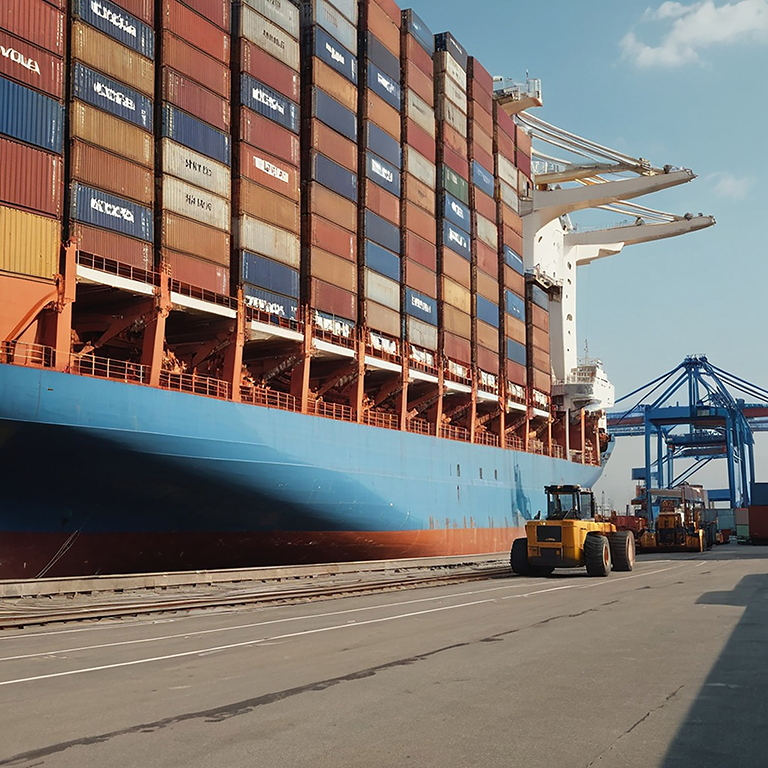
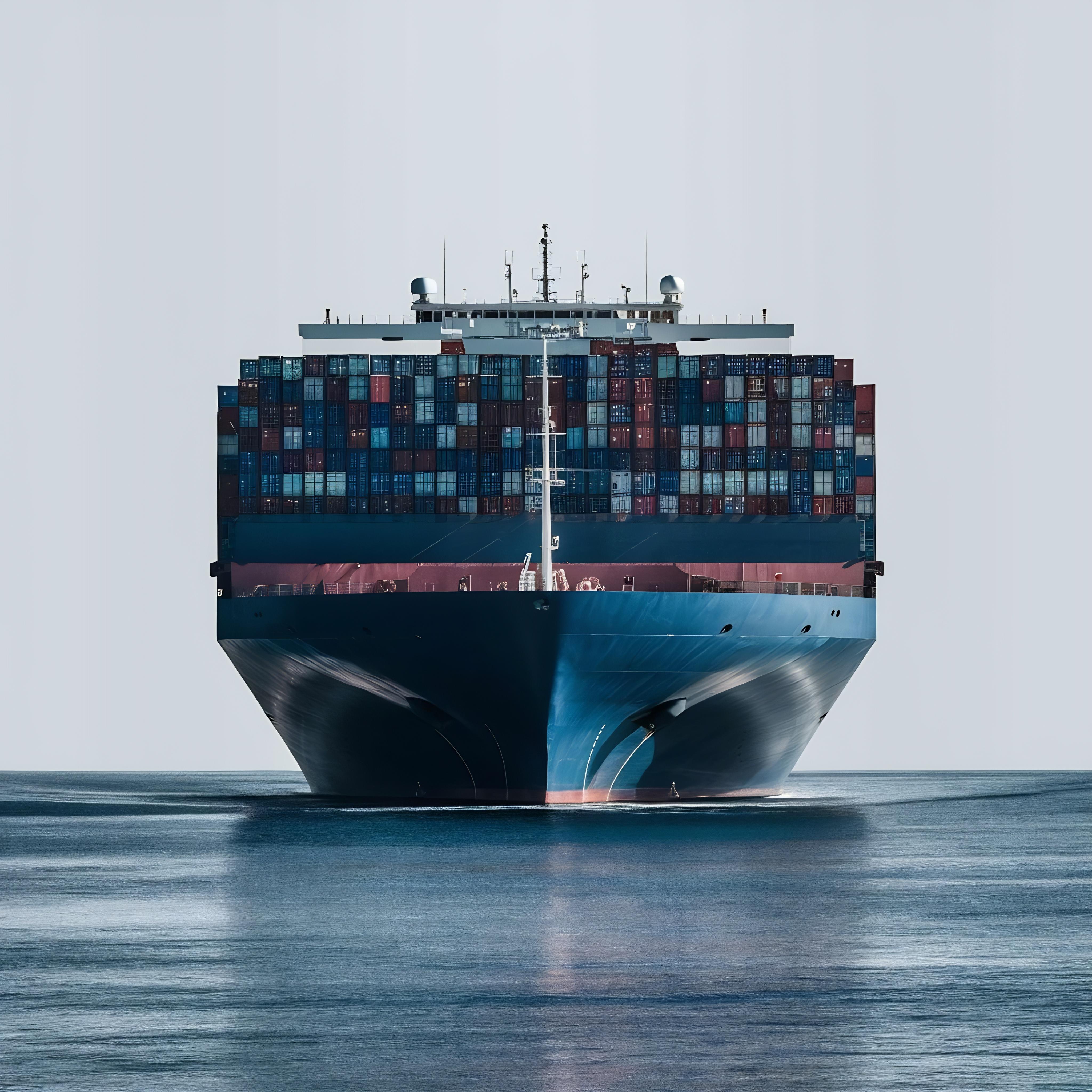
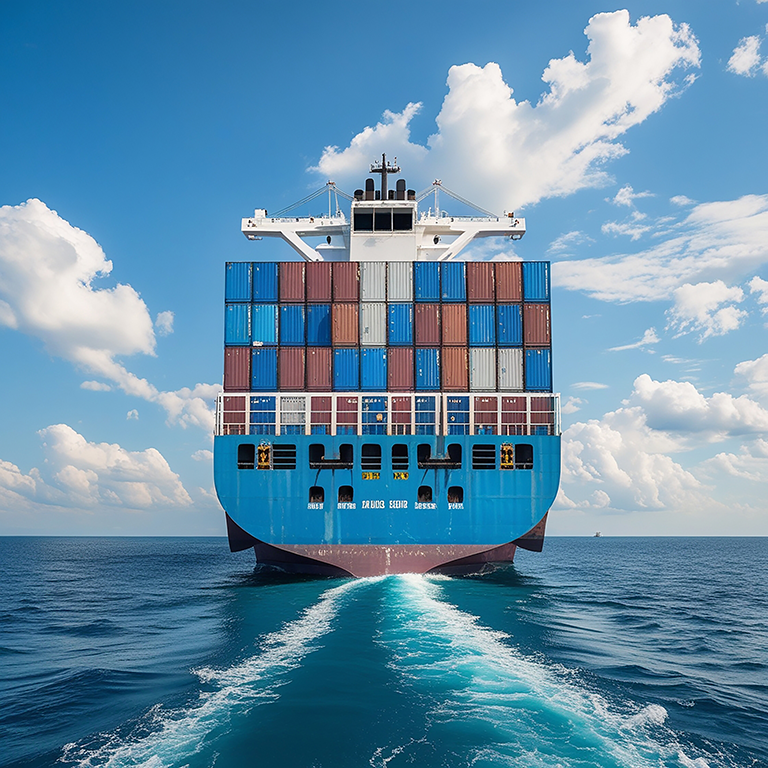
Die strategische Bedeutung von Mokka liegt in seiner Lage. Bab al-Mandab, die schmale Meerenge zwischen dem Jemen und dem Horn von Afrika, ist das südliche Tor zum Roten Meer und damit zum Suezkanal – der kürzesten Seeverbindung zwischen Asien und Europa. Jede Verschiebung der Machtverhältnisse entlang dieses Korridors wirkt sich unmittelbar auf eine der wichtigsten Handelsrouten der Welt aus, die von Reedereien seit Ende 2023 ohnehin schon mit großer Vorsicht befahren wird.
Houthis richten Drohungen gegen saudische Schiffe
Die Houthis erklärten nach der Eroberung, dass sie keine Bedrohung für die internationale Schifffahrt darstellten. Gleichzeitig bekräftigten sie ihre Drohung, Schiffe aus Saudi-Arabien anzugreifen. Diese Drohung wiegt schwer: Saudi-Arabien ist für seine Ölexporte auf das Rote Meer angewiesen, seit der Krieg der Vereinigten Staaten und Israels die Straße von Hormus faktisch geschlossen hat. Die Häfen am Roten Meer, die als Alternative dienten, liegen nun in Reichweite der Partei, die droht, sie anzugreifen.
Offensive fordert Hunderte von Todesopfern
Nach Angaben von Einwohnern von Mokka drangen Houthi-Kämpfer am Mittwochabend nach heftigen Kämpfen mit regierungstreuen Truppen in die Stadt ein, woraufhin viele Familien aus ihren Häusern flohen. Eine von Saudi-Arabien geführte Koalition führt unterdessen Luftangriffe auf Gebiete im Westen des Jemen durch, die von den Houthis kontrolliert werden, um die Regierungstruppen zu unterstützen. Die Houthis reagieren darauf mit Raketen- und Drohnenangriffen auf Städte und Ölförderanlagen im Süden Saudi-Arabiens.
Ölpreise steigen weiter
Die Eskalation im Jemen kommt zu den bestehenden Störungen rund um die Straße von Hormus hinzu und schlägt sich laut BBC News in steigenden Ölpreisen nieder. Für die Schifffahrt bedeutet teureres Öl auch teureren Bunkerkraftstoff – ein Kostenfaktor, den Reedereien in der Regel über Zuschläge an ihre Kunden weitergeben.
Auswirkungen auf Importeure und Exporteure
Die Analyse ist eindeutig, und dies ist eine klare Feststellung: Der Konflikt verschärft sich, und damit werden die Kosten für Seefracht voraussichtlich weiter steigen. Die Erfahrungen der letzten Jahre zeigen, dass Versicherer das Kriegsrisiko im Bereich des Roten Meeres bereits einpreisen, sobald die Bedrohung zunimmt – noch bevor tatsächlich Schiffe getroffen werden. Höhere Prämien, Treibstoffzuschläge und längere Umfahrungsrouten schlagen sich anschließend in den Tarifen nieder. Überprüfen Sie daher den Versicherungsschutz der Transportversicherung für Sendungen, die diese Region betreffen.
Beachten Sie außerdem, dass sich Angebote in unruhigen Märkten schneller ändern und kürzer gültig sind: Fordern Sie rechtzeitig Tarife für Sendungen in den kommenden Wochen an. Wenn Sie Zweifel haben, ob Ihre Routen, Verträge oder Liefervereinbarungen einer weiteren Eskalation standhalten, berät Sie TOP gerne im Rahmen einer Beratungsanfrage.
die Hafenstadt Mokka dem Mokka-Kaffee ihren Namen gab? Die Stadt war im 17. und 18. Jahrhundert der Exportknotenpunkt für Kaffee aus dem Jemen und Umgebung. Schon vor Jahrhunderten war Mokka also ein strategischer Handelshafen – genau der Grund, warum die Stadt auch heute wieder Schauplatz von Kämpfen ist.