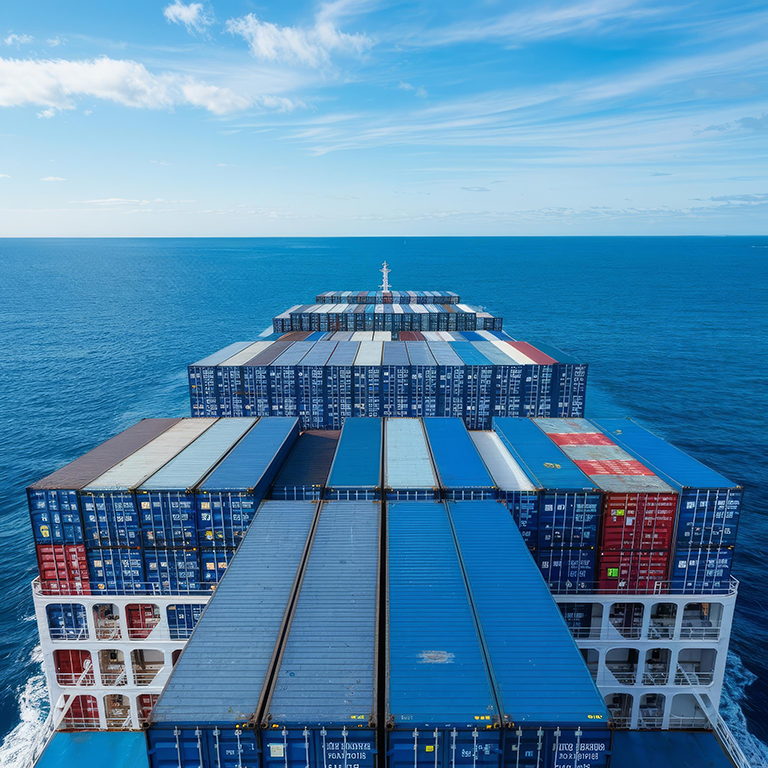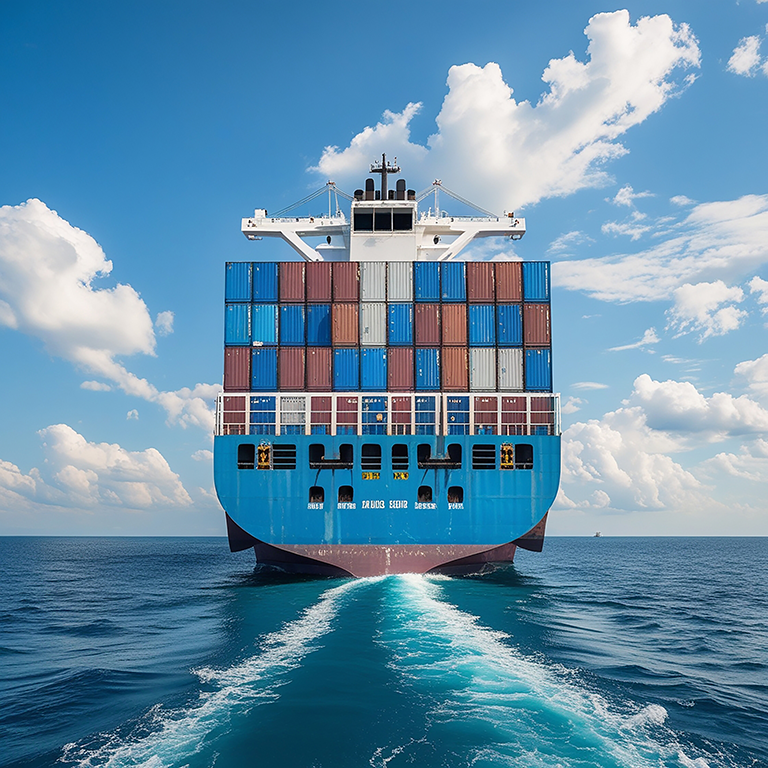




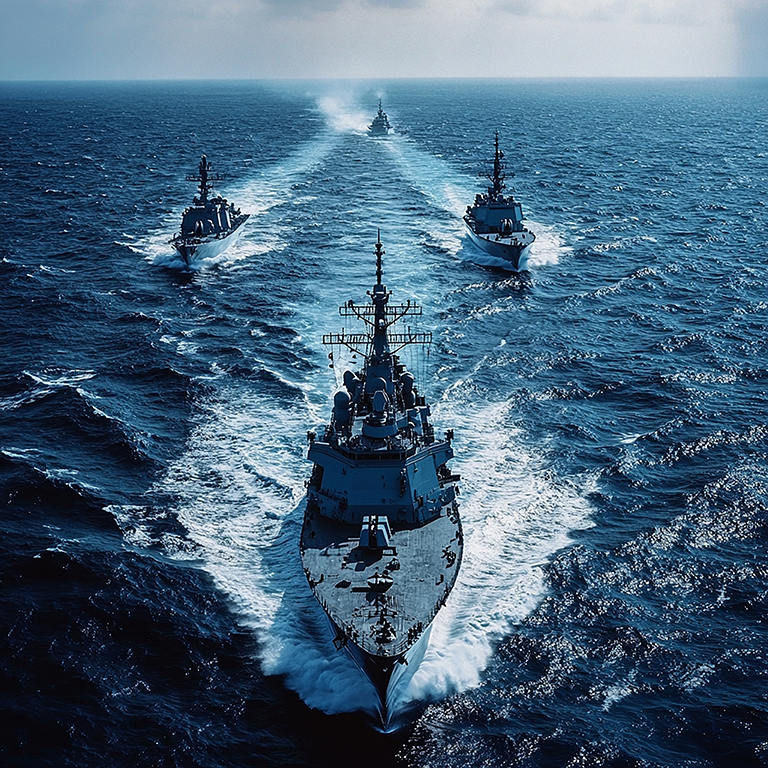
Iran is to establish a no-go zone outside the Strait of Hormuz within a few days. This was stated on Sunday by Mohsen Rezaei, secretary of the Supreme National Security Council and Iran’s highest-ranking security official, to Iranian state media, as reported by Nieuwsblad Transport and Business AM on 7 September 2026. In addition to the zone, modified shipping corridors will be established through the strait.
According to Business AM, the restricted maritime zone extends from the edge of the US blockade into the waters of the Persian Gulf. Any vessel entering the area will be placed on a sanctions list by Iran. Rezaei also stated that Iran will only guarantee access to the Strait of Hormuz once the United States ceases its attacks and threats. Tanker traffic through the strait has meanwhile fallen to its lowest level since May.
Sanctions list as a means of pressure
The announcement adds a new layer to the already complex risk picture surrounding the Gulf. Whereas previous Iranian measures mainly consisted of temporary closures and military exercises, this instrument targets individual ships. Anyone who ignores the zone risks being placed on an Iranian sanctions list — with all the uncertainty that entails for the shipping company, the charterer and the cargo owner.
It is not yet clear from the reports exactly how the zone is demarcated and enforced. What is clear, however, is that Iran is linking the measure to a political condition: the cessation of US attacks. This explicitly makes passage through the Strait of Hormuz a key bargaining chip.
Escalation following a failed ceasefire
The move follows a series of reciprocal military attacks. According to Business AM, US Central Command recently reported that it had struck three Iranian oil tankers, including one near the Kharg Island export hub, in response to attacks by the Iranian Revolutionary Guard on US warships. In June, a ceasefire broke down, after which diplomatic efforts stalled.
Oil prices have risen sharply as a result of the instability. Within Iran, officials recognise the seriousness of the situation: Parliamentary Speaker Mohammad Baqer Qalibaf warned that the US can expect more aggressive responses to any further attacks, whilst the fight against inflation and unemployment at home has been made a priority.
Kharg Island as the focal point
The conflict is heavily centred on Kharg Island, which previously accounted for 90 per cent of Iran’s crude oil exports. According to Business AM, Iranian Oil Minister Mohsen Paknejad stated that the hub has withstood around 550 attacks in recent months but remains operational. Meanwhile, the US is maintaining its blockade; Central Command reports that several commercial vessels have been diverted and taken out of service.
Oil flows at two-thirds of pre-war levels
Despite the disruptions, US Energy Secretary Chris Wright insists that the navy has the situation under control. According to him, oil flows through the strait and via alternative pipelines currently amount to around two-thirds of pre-war levels, totalling over 9 million barrels per day. Meanwhile, rising fuel costs are putting political pressure on the Trump administration in the run-up to the US elections in November.
Consequences for importers and exporters
For shippers, the key lesson is that the unrest around Hormuz could once again affect sea freight rates. Earlier this year, similar escalations led to higher spot rates, more expensive bunker fuel and rising insurance premiums. A new no-go zone and declining tanker traffic increase the likelihood that shipping lines will pass on risk surcharges. Anyone planning shipments in the coming weeks would be wise to request rates in good time: quotations may have a shorter validity period during periods of market turmoil.
You should also check the cover provided by your cargo insurance for shipments passing through high-risk areas, and allow for longer transit times in the event of detours or additional transhipments. For shipments that cannot tolerate delays, express freight may be an alternative. If you are unsure what the situation means for your routes or contracts, please request tailored advice. TOP is closely monitoring developments regarding the Strait of Hormuz.
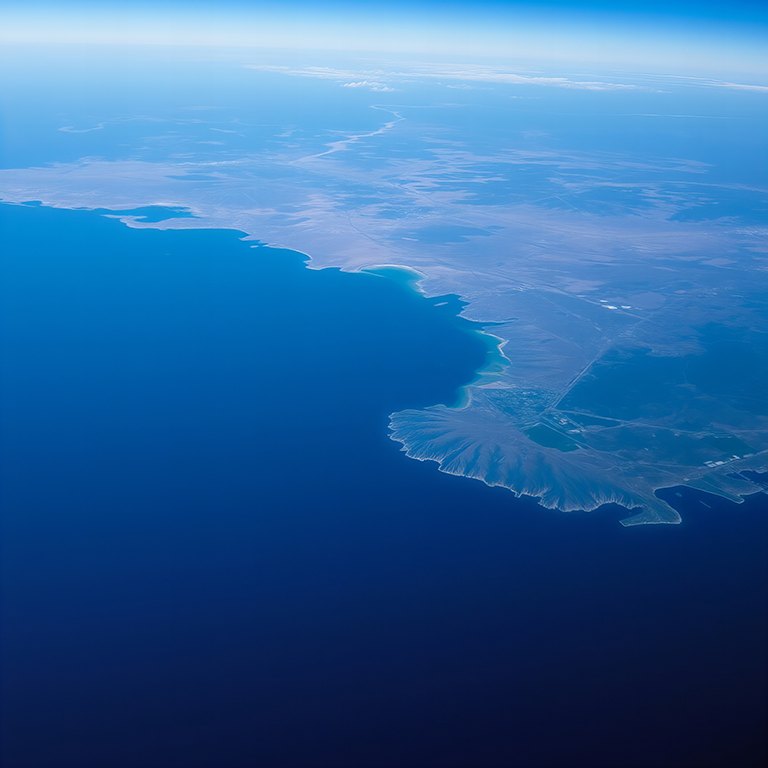
Before the war, Kharg Island accounted for 90 per cent of Iran’s crude oil exports? According to the Iranian oil minister, the hub has withstood around 550 attacks in recent months and remains operational.
Related news

Would you like to receive our newsletter?
Stay up to date with the situation in the Strait of Hormuz, sea freight rates and international logistics developments. Sign up now: