




Ships pay the Hormuz toll in cryptocurrency or yuan
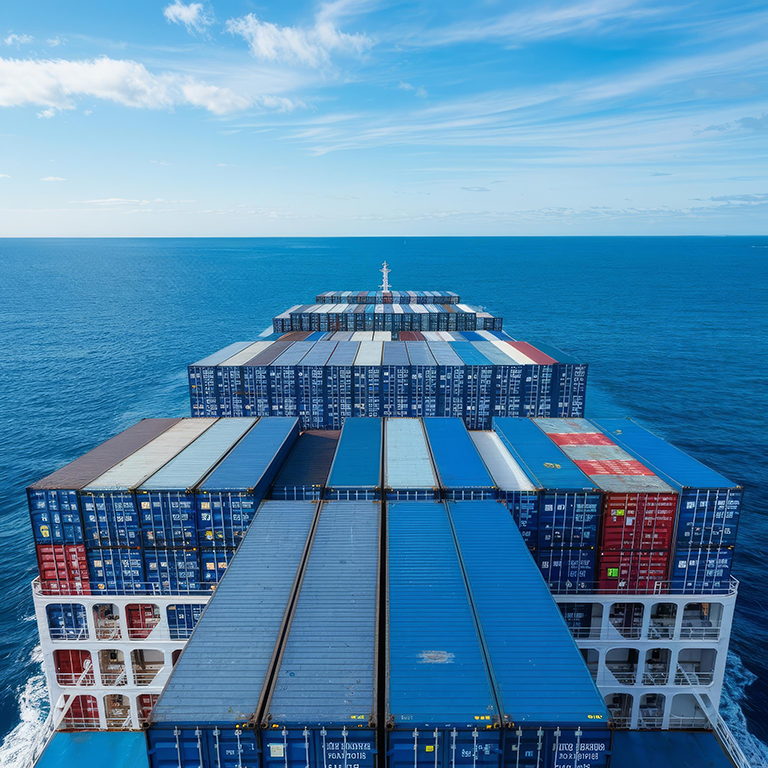
Ships granted permission to pass through the Strait of Hormuz will have to pay tolls for it in striking currencies. According to reports, payment is demanded in stablecoins, a form of crypto currencies, or in Chinese yuan. This gives the geopolitical tension in the region a financial dimension that directly affects international shipping.
Vessel tolls are set according to cargo. For oil tankers, the rate is around $1 per barrel. For the largest tankers, carrying up to 2 million barrels, this means a fee of around $2 million per passage.
Ships gain access through Iranian corridor
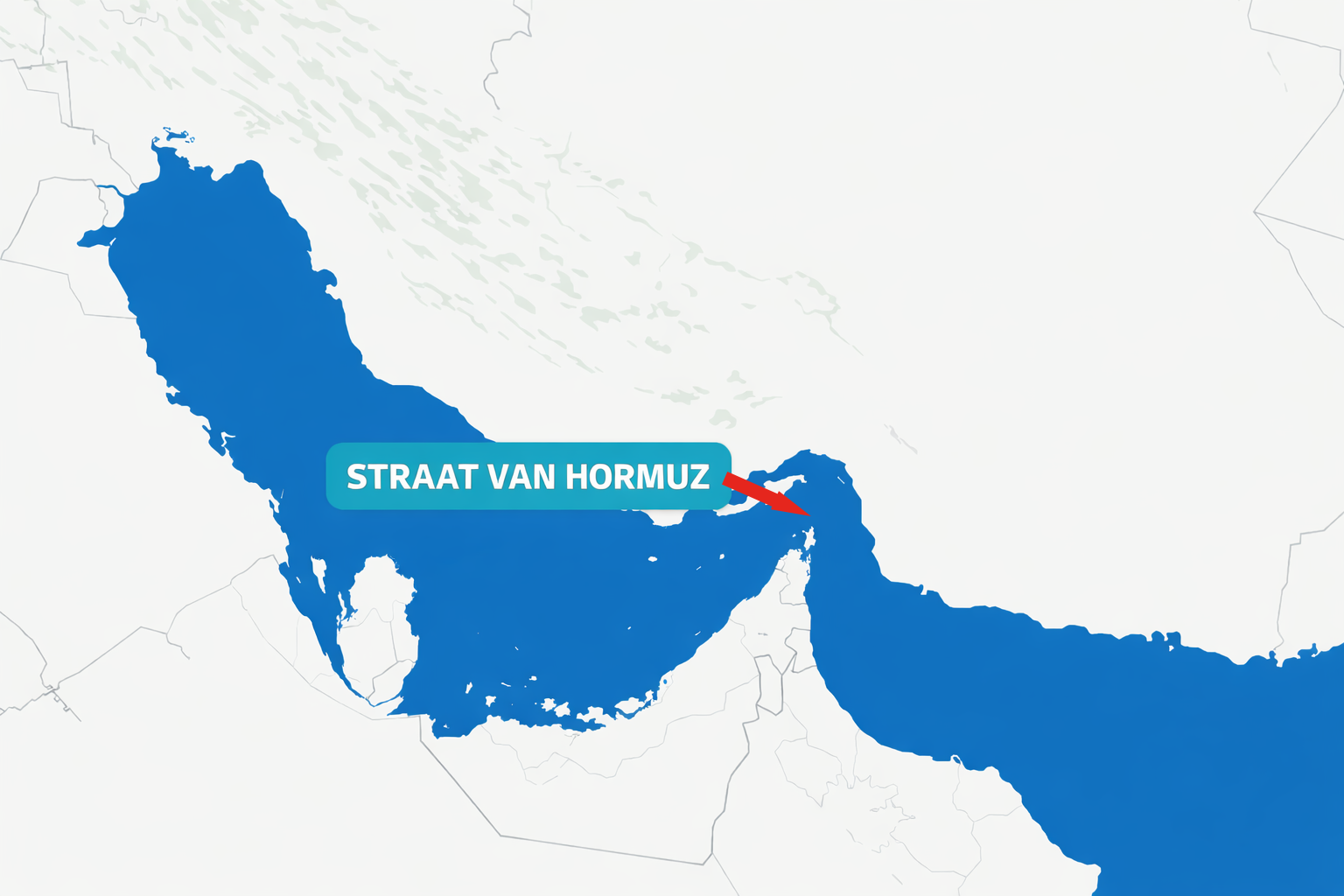
The Iranian Revolutionary Guard Corps has established a 'safe corridor' between the islands of Queshm and Larak. Ships can apply here and are then assessed before being allowed to pass through.
Permission is not the same for everyone. Iran uses a ranking of countries, based on political relationship. Ships from countries considered 'friendly' stand a better chance of passage. Countries such as the United States and Israel are explicitly excluded.
This means that ships face not only logistical and financial barriers, but also geopolitical considerations. The nationality of the ship or its flag may be decisive.
Did you know?
The Strait of Hormuz is one of the main thoroughfares for oil and container transport, so any restriction has a direct effect on global trade.
Ships change flag and seek creative solutions
The new rules are creating creative solutions in the industry. For instance, Pakistan was reportedly allowed to allow 20 ships to pass through, while the country itself had hardly any ships in the region. Through brokers, it sought ships that could temporarily fly the Pakistani flag.
Countries such as China and India also seem to be eligible for passage. Two large container ships from Cosco managed to leave the Persian Gulf earlier. Meanwhile, Turkey is said to be in negotiations for passage for 11 ships.
These developments show how flexibly - and sometimes opportunistically - the industry responds to new restrictions. At the same time, it raises questions about the legal tenability of such constructions.
According to experts, it is uncertain whether this tolling and selection of vessels is in line with international regulations. Especially given the existing sanctions against Iran, this could lead to legal complications for shipping companies and shippers.
For logistics parties, this means that risks increase and choices become more complex. Read more about international transport flows and risks on the sea freight page.
The situation around the Strait of Hormuz shows that ships depend not only on physical routes, but also on political and financial systems. As long as tensions persist, transit remains uncertain and the price high.