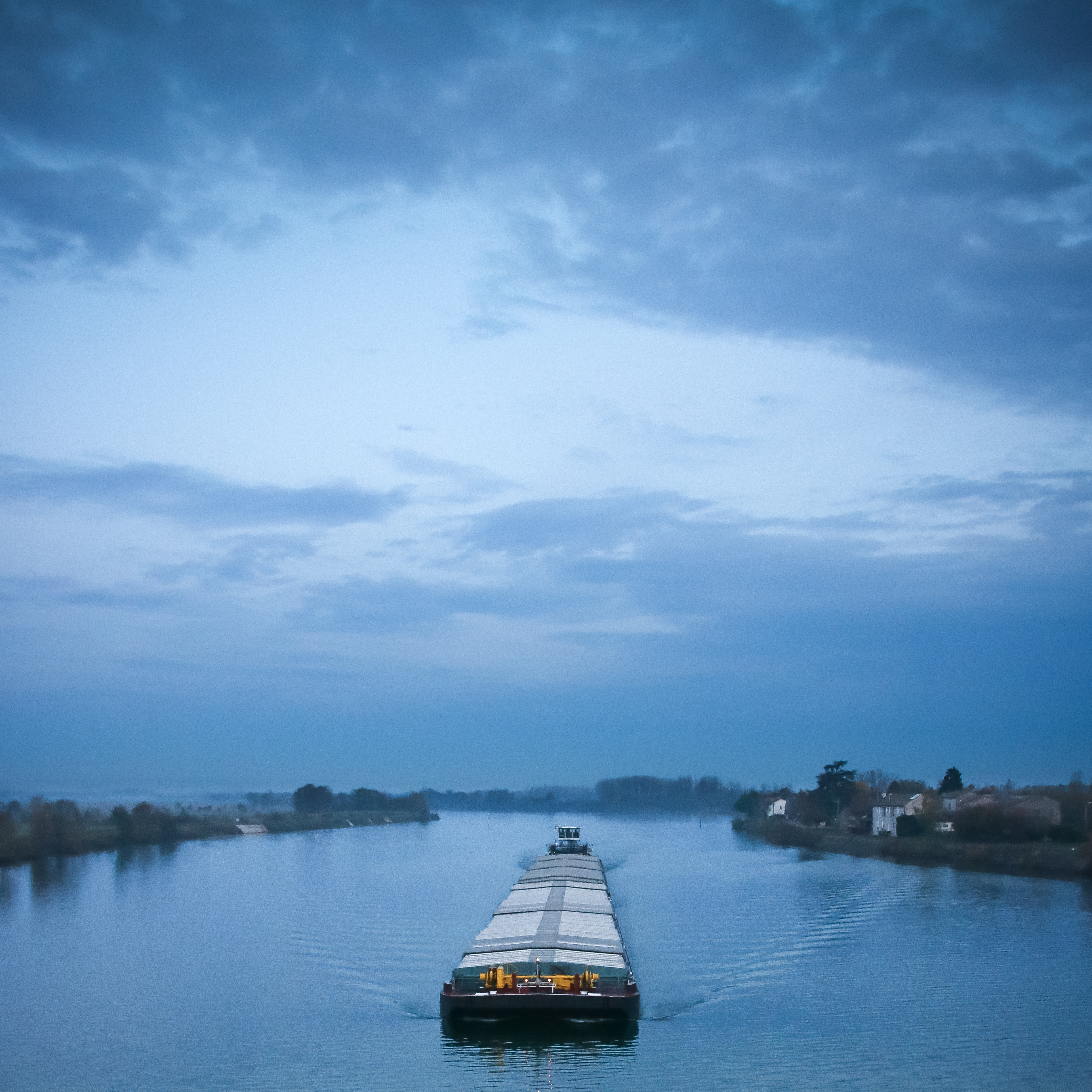



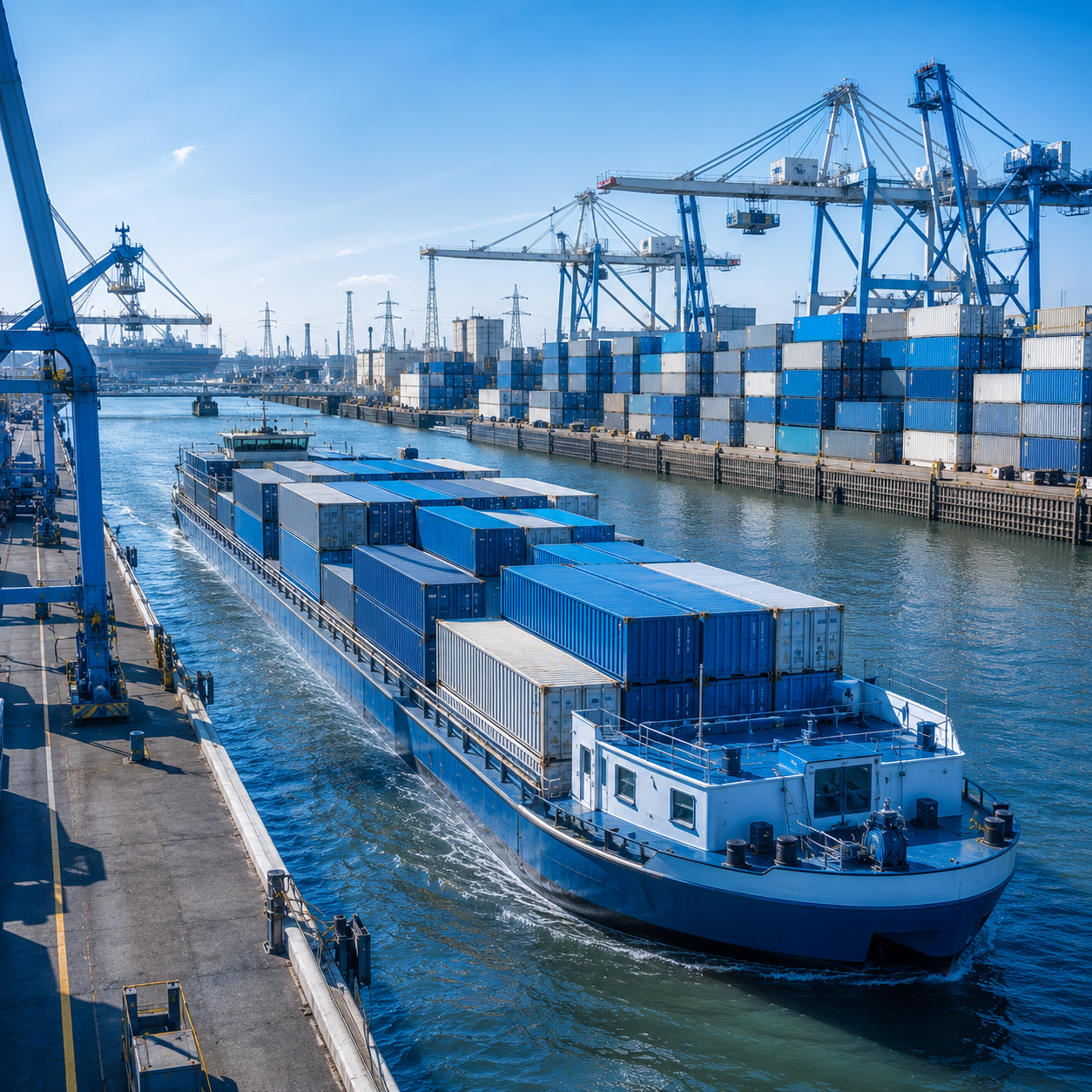
From Saturday, there will be no more shipping on the Twente Canal: the locks near the village of Eefde in Gelderland will remain closed to shipping from that time onwards. The national government took this decision to prevent irreparable damage to flood defences, the soil and the natural environment caused by the ongoing drought.
The locks at Eefde will close at 12.00 on Saturday 25 July, for an indefinite period. In addition to this measure affecting shipping, a so-called ‘withdrawal ban’ is also in force: farmers are temporarily prohibited from using water from the canal to irrigate their crops.
Water level in the Twente Canal threatens to fall below critical level
On the section of the canal between Almelo and De Haandrik, the water level must remain at least 9.10 metres above NAP. If the level falls below this threshold, there is a risk that the embankment will subside. As the level is in danger of falling below this threshold, all available water is now being used to maintain the required level.
Over the past few days, attempts have been made to maintain the water level at the desired level using pumps and other measures. This proved insufficient, so it has now been decided to close the locks at Eefde completely to shipping. These measures will remain in force until the water level at Eefde returns to the required level; it is not yet known how long this will take.
Water extraction bans also in place around Nijmegen and Groesbeek
The drought is not only affecting Twente, but also the south of Gelderland. Around Nijmegen, the Rivierenland Water Board is imposing three water extraction bans from Saturday, covering the Ooijpolder and Groesbeek catchment areas. A similar ban will also apply in the De Bruuk nature reserve near Groesbeek, where the groundwater level has fallen to a historically low level.
These bans apply to all users: farmers, sports clubs and private individuals are no longer permitted to extract water in the designated areas.
Key canal for boaters: navigation virtually impossible
The fact that shipping is temporarily impossible on the Twente Canal is bad news for inland waterway skippers, says a spokeswoman for the trade association Koninklijke Binnenvaart Nederland (KBN). According to her, this is a fairly important canal, whilst alternative routes are not readily available. Moreover, taking a detour takes a lot of extra time.
It is also not yet known how long the closure will last. According to the KBN, skippers are, however, preparing well for low water levels and the associated risks, such as adjusting cargo loads and allowing for longer journey times.
…the Twente Canal is one of the most important links between Twente and the rest of the Netherlands for the transport of goods by water? A prolonged closure therefore affects not only skippers, but also shippers who rely on this route.
What does this mean for shippers and logistics planning?
For companies that rely on inland waterway transport, it is important to keep a close eye on developments concerning the Twente Canal. An indefinite closure could have consequences for delivery times, planning and the choice of alternative transport, particularly as long as no suitable alternative route is available.
Related news
Would you like to receive our newsletter?
Stay up to date with the latest developments regarding drought, water levels and the impact on inland waterway transport. Sign up now: